
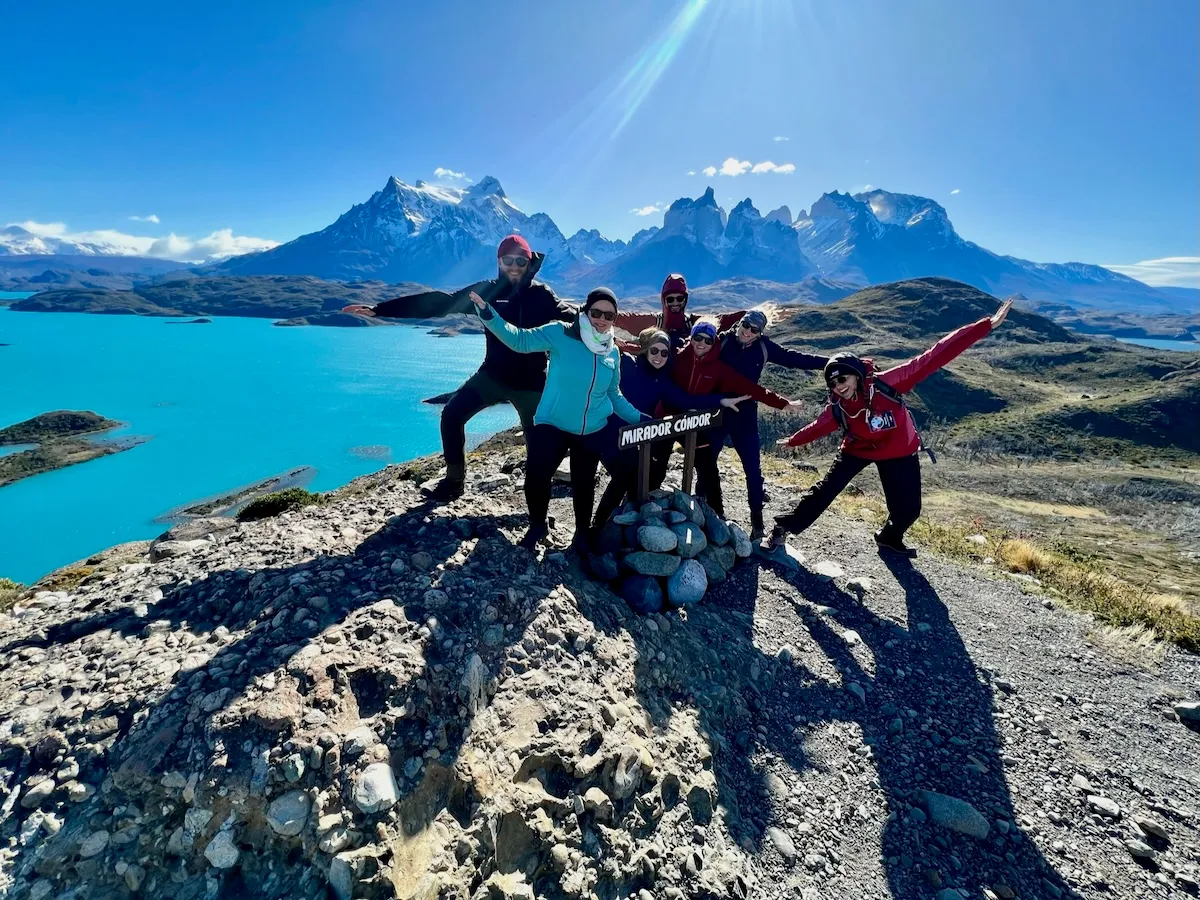
WeRoad, the Milan-based group travel startup, has raised a a substantial $58 million Series C round, spearheaded by industry giant Airbnb. This significant capital infusion, bringing WeRoad’s total funding to approximately $100 million, is earmarked for an ambitious expansion into the U.S. market, commencing with Austin. This investment signals a pivotal shift in the travel tech landscape, emphasizing genuine human connection over mere transactional bookings and positioning WeRoad at the forefront of the burgeoning “IRL economy.”
Key Takeaways:
- **Strategic Funding & U.S. Expansion:** WeRoad secured $58 million in Series C funding led by Airbnb, pushing its total capital to $100 million. This investment directly fuels its strategic entry into the U.S. market, beginning with Austin, reflecting a significant bet on the future of social travel.
- **Redefining Travel Through Connection:** The startup differentiates itself by prioritizing authentic social bonds among younger travelers (Millennials and Gen Z). Its model leverages shared interests, peer-like group leaders, and socially engineered itineraries to combat loneliness and foster real-world interactions.
- **The “IRL Economy” & Community Building:** WeRoad is a leading player in the “IRL (In Real Life) economy,” monetizing offline interaction. Its WeMeet app, facilitating local gatherings, is central to its U.S. strategy, aiming to build grassroots communities before scaling its core travel offerings nationwide.
In a tech landscape often dominated by discussions of artificial intelligence and digital transformation, a Milanese startup is charting a different course, one rooted firmly in human connection. WeRoad, a group travel company designed to foster real-world bonds, has successfully closed a $58 million Series C funding round. The lead investor? None other than Airbnb, a move that speaks volumes about the evolving priorities within the travel industry. This latest injection of capital brings WeRoad’s total funding to roughly $100 million, setting the stage for its most ambitious undertaking yet: a major expansion into the United States, kicking off in Austin, Texas.
The investment isn’t just about growth; it’s a strategic bet on a fundamental shift in consumer demand. As loneliness becomes an increasingly recognized public health concern, particularly among younger demographics, businesses capable of facilitating genuine offline interaction are gaining significant traction. WeRoad is positioning itself not merely as a travel booking platform, but as a social platform for the “IRL economy”—a category of startups dedicated to monetizing face-to-face experiences and community building, rather than just screen time. This contrasts sharply with the broader tech industry’s current obsession with AI, highlighting a powerful counter-narrative centered on human-centric innovation.
The roots of WeRoad’s mission are deeply personal. The company’s co-founders—Paolo De Nadai, Fabio Bin, and Erika De Santi—experienced firsthand the post-college challenge of finding like-minded individuals for travel. “When you finish college and start working, it becomes harder to find people to travel with. Friends were settling down, having kids, moving away, or simply couldn’t align schedules anymore,” De Nadai shared with TechCrunch. Their attempts at existing group travel options, while functional, often fell short on the critical element of true connection. Groups were often a mixed bag of ages and interests, resulting in shared travel but little genuine camaraderie. This observation became the catalyst for a new vision: travel designed explicitly for connection.
WeRoad’s innovative response was to meticulously redesign the group travel experience around shared interests and demographics. The platform primarily targets Millennials and Gen Z travelers, curating trips based on themes like adventurous expeditions, relaxing beach getaways, or adrenaline-fueled skiing holidays. This careful segmentation ensures that participants start with a common foundation, increasing the likelihood of meaningful interactions. “We asked ourselves, ‘What if we created trips for Millennials and Gen Z travellers, bringing together people from the same age groups with shared cultural references but completely different backgrounds, and focused on creating real bonds between them?’” De Nadai explained, encapsulating their core philosophy.
The journey of connection begins even before departure. Travelers are added to a dedicated WhatsApp group, managed by their group leader, allowing members to engage and establish initial rapport. These groups typically consist of eight to fifteen travelers, a size deemed optimal for fostering intimacy and dynamic interaction. De Nadai notes that the primary concern for potential travelers isn’t the destination itself, but the fear of not connecting with their fellow adventurers. To proactively address this, WeRoad’s itineraries are intentionally structured to facilitate social dynamics, often scheduling adventurous or collaborative activities early on to serve as natural ice-breakers and accelerate group bonding. These thoughtfully designed trips typically span between 10 and 12 days, though the company has also introduced shorter weekend formats to appeal to first-time customers and those seeking a quick escape. This strategy has proven highly effective, with approximately 60% of WeRoad travelers booking another trip, a testament to the strong connections forged.
A cornerstone of the WeRoad experience is its unique approach to leadership. Instead of traditional tour guides, the company employs “group leaders”—individuals closer in age and spirit to the travelers. These leaders act more as companions and facilitators than expert historians, with a focus on soft skills over encyclopedic knowledge. “We’re not looking for destination experts, but for people with travel experience and strong soft skills. Can they lead a group, handle tension, adapt when plans change, and help strangers connect?” De Nadai elaborated. WeRoad now boasts a global network of over 4,000 such group leaders, each playing a crucial role in curating an environment of camaraderie and shared experience.

WeRoad’s vision extends beyond just trips. In 2025, the company launched WeMeet, a standalone application designed to facilitate local, in-person gatherings. WeMeet offers a diverse array of events, from communal dinners and invigorating hikes to rejuvenating yoga classes, energetic running groups, casual after-work drinks, and engaging board game nights. Last year alone, WeRoad reported that over 50,000 people attended WeMeet events across 35 cities, with the app reaching 150,000 downloads. WeMeet is not merely an ancillary service; it’s a strategic linchpin for WeRoad’s U.S. expansion. Instead of a broad, immediate national rollout, WeRoad plans a phased entry, focusing initially on a select few cities. Austin has been chosen as the inaugural market, where WeMeet will play a central role in recruiting group leaders, organizing local events, and forging community partnerships, building a strong local foundation before the travel arm expands further. “We’ll be launching WeMeet events across multiple U.S. cities throughout 2026, starting with Austin because of its incredible energy and vibrant community scene,” De Nadai stated, highlighting the strategic importance of this grassroots approach.
The question of whether businesses can build sustainable models around the intangible yet profound human need for social connection remains a fascinating and open one. However, the substantial investment in WeRoad, particularly from a player like Airbnb, suggests that investors are increasingly convinced of the market’s validity and the enduring demand for authentic human interaction in an increasingly digital world. WeRoad’s robust financial performance underpins this confidence: the company reported €130 million in revenue in 2025, marking a 30% year-over-year growth. Last year alone, it facilitated trips for over 100,000 travelers. Since its inception in 2017, WeRoad has proudly organized travel experiences for more than 300,000 customers across over 1,000 unique itineraries globally, demonstrating a proven ability to scale its unique model of connected travel.
Bottom Line:
WeRoad’s successful Series C and ambitious U.S. expansion represent more than just a travel startup’s growth; they signify a powerful endorsement of the “IRL economy” and the enduring human desire for authentic connection. By strategically blending curated travel with local community building through WeMeet, WeRoad is poised to redefine group tourism, proving that in an age of digital saturation, the most valuable experiences often remain those shared face-to-face. Its trajectory suggests a future where travel companies are fundamentally social platforms, making genuine human bonds the ultimate destination.
When you purchase through links in our articles, we may earn a small commission. This doesn’t affect our editorial independence.
{content}
Source:{feed_title}