
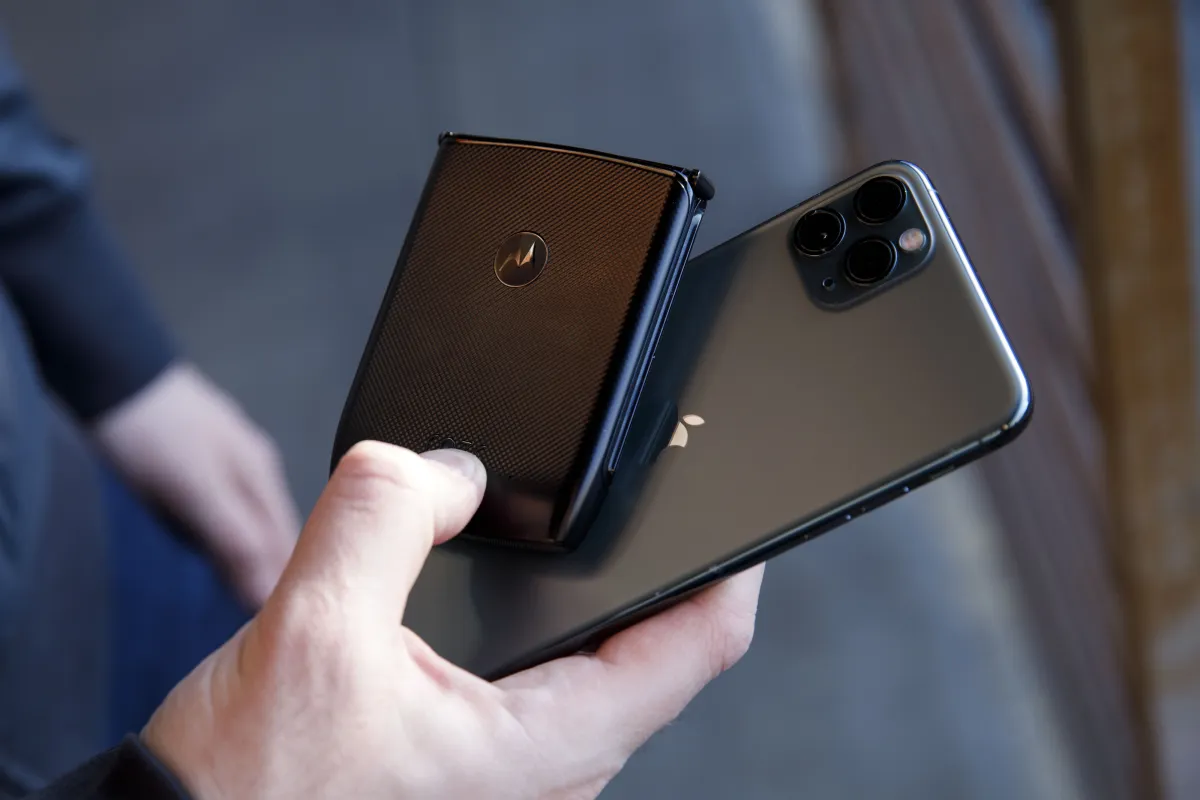
Get ready for an Apple event unlike any other. This week, the tech giant is poised to finally unveil its first foldable iPhone, dubbed the “iPhone Ultra,” marking a significant — albeit late — entry into a burgeoning market. But the excitement doesn’t stop there. With a leadership transition underway and a suite of ecosystem upgrades on the horizon, including AI-enhanced Siri, refreshed HomePods, and even AirPods with integrated “visual intelligence” cameras, Apple is signaling a bold new direction for its future.
Key Takeaways:
- Apple Enters the Foldable Frontier:After over five years trailing competitors, Apple is set to launch its premium “iPhone Ultra.” Expect a high price tag (over $2,000) for a device promising a premium feel, a near-crease-free display, and advanced multitasking, despite some hardware concessions like a skipped telephoto camera and a reliance on Touch ID.
- Siri Gets a Brain, AirPods Get Eyes:Beyond hardware, Apple’s ecosystem is evolving. A Gemini-powered Siri AI update is anticipated to refresh the HomePod line, while the most intriguing leak points to AirPods with low-resolution “visual intelligence” cameras designed to enhance Siri’s capabilities by “seeing” the user’s world, sparking both excitement and privacy discussions.
- A Strategic Pivot Under New Leadership:This event isn’t just about products; it marks a strategic pivot as Tim Cook prepares to hand the CEO reins to John Ternus. The launch of the foldable iPhone, alongside continued development of traditional iPhone 18 models and ambitious AI integrations, underscores Apple’s intent to innovate across its entire portfolio and redefine user interaction in the coming decade.
A New Era Unfolds: Apple’s Most Anticipated Event in Years
The air in the tech world is thick with anticipation. This week, Apple is gearing up for what many are calling its most significant product launch event in recent memory. While annual iPhone unveilings always draw global attention, this year’s presentation feels different, charged with the weight of long-awaited innovation and a pivotal leadership transition. Tim Cook is reportedly preparing to pass the CEO torch to former Vice President of Hardware Engineering, John Ternus, setting the stage for a new chapter at the Cupertino giant.
The primary catalyst for this unprecedented buzz? The long-rumored, highly anticipated debut of Apple’s first foldable iPhone. More than five years after Samsung first ventured into the foldable market, Apple’s meticulously crafted entry is expected to make a grand statement. But the foldable is just one piece of a much larger puzzle. Industry leaks and insider reports suggest a comprehensive refresh across Apple’s ecosystem, from the next generation of AirPods and HomePods to the standard iPhone 18 line, all potentially powered by a dramatically enhanced, AI-driven Siri.
The iPhone Ultra: Apple’s Bold Entry into the Foldable Market
For years, the tech community has speculated about “if” and “when” Apple would embrace the foldable form factor. The “when” now appears to be this week, with the expected launch of the “iPhone Ultra.” If Apple has indeed made its loyal customer base wait over half a decade, the consensus is clear: its inaugural attempt simply *must* be exceptional. Especially considering the rumored price tag of over $2,000 — a figure that places it firmly in the premium, luxury segment of the smartphone market, albeit still significantly less than the $3,500 Apple Vision Pro headset.
Early indications, according to Bloomberg’s respected Apple insider Mark Gurman, are promising. Alleged early testers have reported a genuinely positive experience. The device reportedly boasts a “premium feel” that Apple users have come to expect, and, crucially, it folds down compactly enough to fit “nicely into a pocket.” When unfurled, it transforms into an expansive, iPad-like display. The design specifications point to a 5.5-inch cover display that expands to a generous 7.8 inches when opened, presenting a device that, when folded, will appear shorter and wider than a typical iPhone, challenging traditional smartphone aesthetics.
Design Choices and Feature Trade-offs
Achieving a sleek, pocketable foldable design has necessitated strategic concessions from Apple. One notable omission is the telephoto camera, which might disappoint photography enthusiasts accustomed to Apple’s advanced camera systems, especially those willing to invest in a device of this caliber. However, the iPhone Ultra is still expected to feature a robust dual-lens rear camera system, comprising a main wide-angle lens and an ultra-wide lens, mirroring the capabilities found in Apple’s more mainstream iPhone models.
In terms of user interaction and convenience, rumors suggest the inclusion of MagSafe, Apple’s magnetic wireless charging and accessory system, further integrating the foldable into its existing ecosystem. However, to conserve precious internal space, Face ID is reportedly being foregone in favor of a Touch ID fingerprint sensor discreetly integrated into the phone’s side button. While this might require a minor adjustment for users accustomed to facial recognition, the convenience of a side-mounted fingerprint scanner is generally well-received and arguably as efficient as Face ID in many scenarios.
Like its foldable counterparts from other manufacturers, the iPhone Ultra is expected to excel in multitasking. Its unfolded screen will support intuitive side-by-side app functionality, allowing users to run two applications simultaneously, one on each half of the display. Despite its tablet-like dimensions when open, the device will reportedly run on iOS, not iPadOS. This decision, while perhaps surprising to some, is underpinned by Apple’s latest, incredibly powerful chips – the same silicon rumored to be powering Apple’s budget MacBook Neo laptop – ensuring a smooth and responsive experience regardless of the operating system.
The Crease Challenge: Apple’s Solution
A persistent pain point for foldable phone users across the industry has been the dreaded “crease” – the visible evidence of the display’s fold. It’s a complex engineering challenge that has plagued many early foldable designs. While some might argue the effort to completely eliminate it isn’t worth the technical hurdles, Apple is known for its meticulous attention to detail and user experience. Reports indicate that Apple has made significant strides in this area, potentially developing a display where the crease is “not as visible” as on competing devices, a testament to their commitment to a premium, uncompromised visual experience.
Beyond the Fold: The iPhone 18 Line and Ecosystem Enhancements
For those not ready to embrace the foldable future—or the premium price tag—Apple hasn’t forgotten its roots. The event is also expected to showcase new models in the traditional iPhone 18 line. Leaks have pointed specifically to the iPhone 18 Pro and Pro Max, with surprisingly little information available about the standard iPhone 18. This has led to speculation about a potential first for Apple: a staggered release strategy where the premium models arrive significantly earlier than the standard variant, possibly six months after the September event.
Siri’s Evolution: HomePods and AirPods with Visual Intelligence
The innovations aren’t confined to smartphones. Apple’s broader ecosystem is also poised for a significant upgrade, centered around a revamped, AI-powered Siri. With the company finally moving forward with its Gemini-powered Siri AI update, a refresh of the HomePod smart speaker line is highly anticipated. These devices, Apple’s direct competitor to Amazon Echo and Google Home, are expected to benefit immensely from Siri’s newfound intelligence, offering more natural interactions and smarter home control. References to these unreleased HomePod products were recently uncovered by keen-eyed developers sifting through a macOS preview build, lending credibility to these rumors.
Perhaps the most surprising and potentially transformative leak concerns AirPods with integrated cameras. The same macOS preview build yielded a video showing an individual wearing AirPods and picking up a book, accompanied by a voiceover stating, “With Visual Intelligence, your world becomes savable. See something you like? Just ask me to save it for later.” This concept of “visual intelligence” is revolutionary for a wearable. While comparisons to Meta’s maligned “pervert glasses” are inevitable and valid privacy concerns arise, there’s a degree of hope that Apple, a company that has carefully cultivated a brand built on user privacy, will approach this technology with greater safeguards and ethical considerations.
Gurman’s reports clarify that these AirPods cameras are not designed for taking high-resolution photos or videos. Instead, they act as “eyes for the Siri digital assistant,” capturing “visual information in low resolution” to augment Siri’s understanding of the user’s environment. This could unlock entirely new forms of interaction, allowing Siri to identify objects, read text, or even provide contextual information based on what the user is seeing, blurring the lines between auditory and visual digital assistance.
A Changing of the Guard: Leadership and Vision
Underpinning all these product announcements is the significant leadership transition from Tim Cook to John Ternus. Cook’s tenure has been marked by unparalleled financial success and the refinement of existing product lines, while Ternus, with his background in hardware engineering, is expected to usher in a new era focused on groundbreaking industrial design and novel form factors. This shift in leadership coincides perfectly with Apple’s bold moves into foldables and advanced wearable AI, suggesting a strategic alignment between new vision and new innovation. It signals that Apple is not just reacting to market trends but actively seeking to define the next generation of personal technology.
The Bottom Line:
This week’s Apple event is shaping up to be far more than a typical product refresh; it represents a strategic inflection point for the company. From the long-awaited entry into the foldable smartphone market with the “iPhone Ultra” to the ambitious integration of “visual intelligence” into AirPods and a significantly smarter Siri, Apple is clearly charting a course for the future of personal technology. As John Ternus prepares to take the helm, the focus appears to be on redefining user interaction, blending cutting-edge hardware with intelligent software, and pushing the boundaries of what our devices can do. While the price tags remain premium and privacy concerns will need careful navigation, Apple’s bold new direction signals a renewed commitment to innovation that could reshape the industry for years to come.
When you purchase through links in our articles, we may earn a small commission. This doesn’t affect our editorial independence.
{content}
Source:{feed_title}