
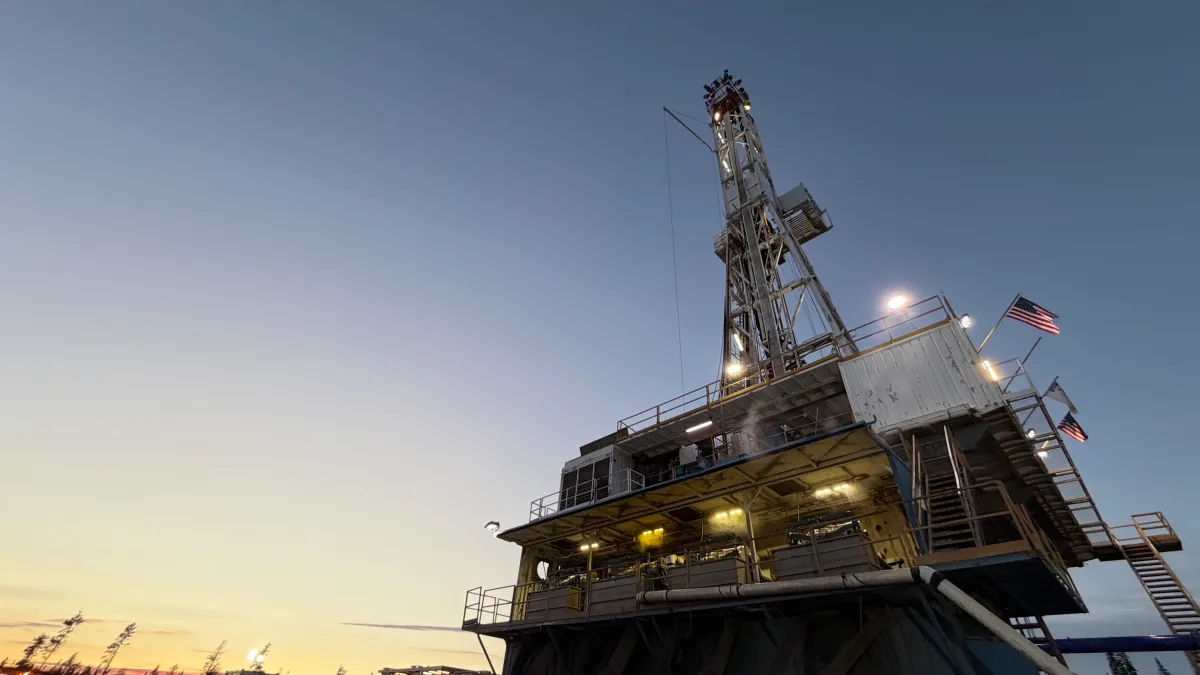
Key Takeaways: Tapping the Earth’s Super-Hot Core
- Super-Hot Rock Geothermal is a Game-Changer:This advanced form of geothermal energy promises to unlock an immense, constant, and clean power source from the Earth’s deepest reaches, crucial for powering future grids and energy-intensive demands like AI data centers.
- Radical Innovation in Drilling Technology:Startups like Quaise Energy (using gyrotron-powered millimeter-wave drills) and Mazama Energy (pioneering CO2-based Carbon Chill cooling for traditional bits) are developing groundbreaking methods to overcome the extreme challenges of accessing superheated subterranean environments.
- Strong Market Confidence and Investment:Significant capital injection from venture capitalists and strategic commitments from major tech players like Google (a $500M deal with Quaise) validate the commercial viability and transformative potential of these cutting-edge geothermal solutions.
Tapping the Core: How Super-Hot Rock Geothermal is Redefining the Energy Frontier
The global appetite for energy is insatiable, propelled by the relentless expansion of artificial intelligence, the proliferation of data centers, and the ongoing push for decarbonization. In this high-stakes environment, the search for reliable, clean, and scalable power sources has never been more urgent. While solar and wind have deservedly dominated the renewable conversation, a quiet revolution is bubbling beneath our feet – literally. A new frontier in geothermal energy, dubbed “super-hot rock,” is rapidly transitioning from scientific curiosity to commercial reality, promising to unlock immense, always-on power from the Earth’s fiery core. This week, the race to harness this extraordinary potential intensified, showcasing groundbreaking technological leaps and significant market commitments that could fundamentally reshape our energy future.
The Earth’s Untapped Battery: Geothermal’s Enduring Promise
For decades, geothermal energy has been recognized for its unique advantage: it’s a constant, baseload power source, unlike intermittent solar or wind. The basic principles involve tapping into underground reservoirs of hot water or steam to drive turbines. Yet, despite its inherent reliability and minimal surface footprint, conventional geothermal has historically been limited to geologically specific regions. That narrative, however, is swiftly changing. Bolstered by advancements in drilling techniques refined by the oil and gas industry, and fueled by a surge of investor interest – even garnering support from previous administrations – geothermal is experiencing a renaissance. The U.S. alone harbors an estimated 57 terawatts (TW) of generating capacity, a figure that far exceeds the projected power needs of the next wave of energy-hungry AI data centers and a fully electrified national grid. Enhanced Geothermal Systems (EGS), exemplified by the recent public debut of Fervo Energy, gave markets a taste of this renewed potential earlier in the year. But the true game-changer, poised to unlock much of that vast underground potential, is the nascent field of super-hot rock geothermal.
Beyond Steam: The Supercritical Fluid Revolution
What makes super-hot rock (SHR) geothermal so transformative lies in a fascinating physical phenomenon occurring at extreme depths. As water is circulated deeper into the Earth’s crust – often three miles or more – it encounters conditions of immense temperature and pressure. Beyond a critical point, typically around 374 degrees Celsius (705 Fahrenheit) and 221 bar (3,200 psi), ordinary water doesn’t simply boil into steam; it transforms into a “supercritical fluid.” In this state, water exhibits properties of both a gas and a liquid, possessing an extraordinarily low viscosity like a gas, yet a high density like a liquid. Crucially, it can dissolve and transport vastly more energy and mass than either liquid water or steam. A single well tapping into a super-hot rock reservoir could theoretically generate 15 megawatts (MW) of electricity or even more – a staggering output that dwarfs the average production of conventional geothermal wells, fundamentally altering the economics and scalability of geothermal power.
The Race to the Core: Innovators and Their Game-Changing Tech
The burgeoning super-hot rock sector is a hotbed of innovation, with several startups vying to master the formidable engineering challenges of drilling into and sustaining operations within extreme subterranean environments. This past week alone saw a flurry of activity underscoring the accelerating pace of this energy revolution.
Quaise Energy: Vaporizing Rock with Millimeter Waves
Leading the charge with a technology that sounds straight out of science fiction is Quaise Energy. On Tuesday, the company announced a landmark partnership with Google, securing a major customer commitment that signals profound confidence in its radical approach. Google, known for its strategic early investments in groundbreaking energy solutions (as seen with Fervo), will pay over $500 million to secure 50 megawatts of baseload power from a future Quaise project in central Oregon. This ambitious venture aims to tap into searing heat three miles deep, utilizing Quaise’s distinctive drilling methodology. Once conventional drill bits reach a depth of approximately 2.5 miles, where traditional metal alloys begin to degrade rapidly under intense heat and pressure, Quaise switches to a revolutionary gyrotron-powered drill. This cutting-edge device bombards the rock with high-frequency millimeter-wave radiation, essentially vaporizing the rock and turning it into ash. This non-contact drilling method promises to overcome the critical limitations of conventional mechanical drilling at super-hot temperatures, making it cost-effective to access previously unreachable geothermal reservoirs.
Mazama Energy: Keeping Cool Under Pressure with CO2
Meanwhile, Khosla-backed Mazama Energy is pursuing an equally ingenious, albeit different, path to super-hot rock access. Mazama believes that traditional drill bits can indeed function at extreme depths, provided they are kept sufficiently cool. Their newly unveiled “Carbon Chill” technology is a testament to this conviction. Instead of conventional water-based drilling muds, which struggle with stability and heat transfer at supercritical conditions, Mazama uses carbon dioxide (CO2). As the CO2descends to these extreme depths and temperatures, it too enters a supercritical state, allowing it to absorb and transport significant amounts of heat and drill cuttings. The magic happens just above the drill bit: the supercritical CO2flows through a specially designed valve, reminiscent of a rocket nozzle. As the CO2expands rapidly on the other side of the valve, it undergoes a dramatic temperature drop due to the Joule-Thomson effect, effectively flash-cooling the drill bit. This chilled CO2then efficiently absorbs heat from the bit and the surrounding rock, carrying drill cuttings back to the surface where the CO2is filtered and reused in a closed-loop system, minimizing environmental impact. Mazama’s co-founder and CEO, Sriram Vasantharajan, has already reported impressive early results, with their second well drilled 80% faster than the first, and the CO2-cooling tech further cutting drilling time by 20%.
XGS Energy: Broadening the Frontier
While Quaise and Mazama have dedicated their core focus to super-hot rock, other players are contributing to the broader enhanced geothermal landscape. XGS Energy, for instance, recently secured a grant from the Department of Energy. Their work is focused on developing and refining advanced materials, optimizing well designs, and creating robust models to improve reliability and longevity at the challenging depths where super-hot rock conditions prevail. This comprehensive R&D effort highlights an industry-wide recognition that unlocking the Earth’s deepest heat requires a multi-faceted approach, addressing everything from drilling mechanics to material science.
The Economic Edge: More Power, Lower Costs
The core driver behind the fierce competition in super-hot rock geothermal is a compelling economic rationale. Drilling represents a substantial portion of a geothermal power plant’s total cost, typically accounting for between a quarter and a third of the overall capital expenditure. By going deeper and hotter, and accessing supercritical fluids, both Quaise and Mazama are betting on a fundamental shift in this equation. The ability to generate 15 MW or more from a single well, compared to 5-10 MW from conventional geothermal, means significantly fewer wells are required to achieve a desired power output. This reduction in drilling translates directly into lower overall project costs, making super-hot rock geothermal projects potentially far more competitive against other baseload power sources, including fossil fuels. Furthermore, the higher energy density and smaller surface footprint per megawatt make these plants ideal for powering land-constrained, energy-intensive operations like next-generation data centers, offering a constant, clean, and reliable supply.
A Flood of Capital: Validating the Vision
The substantial investments flowing into the super-hot rock sector underscore the profound confidence that venture capitalists and strategic investors place in these nascent technologies. Quaise Energy has successfully raised over $270 million from a consortium of prominent investors, including Prelude Ventures, Collaborative Fund, and Engine Ventures, with legendary angel investor Vinod Khosla also contributing. Mazama Energy is equally well-capitalized, securing $171 million from backers such as Khosla Ventures, Doerr Capital, and Bill Gates himself. This influx of capital is not merely speculative; it’s a strategic bet on technologies that promise to deliver reliable, carbon-free baseload power at a scale previously unimaginable for renewables. The willingness of hyperscalers like Google to commit half a billion dollars years in advance for future power delivery further solidifies the market’s belief in the imminence and viability of these solutions. While any frontier technology carries inherent risks, the early successes – such as Mazama’s reported 80% increase in drilling speed for its second well and the 20% efficiency gain from its CO2cooling system – provide tangible evidence that these bold visions are indeed beginning to materialize.
Bottom Line
The race to tap the Earth’s super-hot rock is more than just an energy challenge; it’s a pivotal moment in our global transition to a sustainable future. With groundbreaking technologies pushing the boundaries of engineering, massive investments validating their potential, and strategic partnerships paving the way for commercialization, super-hot rock geothermal is rapidly transforming from a theoretical concept into a tangible solution. The winners of this deep-earth expedition stand to unlock an inexhaustible, always-on source of clean energy, capable of powering everything from our homes to the most demanding AI infrastructures, ultimately securing a more resilient and decarbonized energy landscape for generations to come. The heat, indeed, is on.
When you purchase through links in our articles, we may earn a small commission. This doesn’t affect our editorial independence.
{content}
Source:{feed_title}