
The energy scarcity plaguing AI data centers has grown so acute that various individuals — not exclusively Elon Musk — are contemplating deploying servers into space to harness continuous solar power.
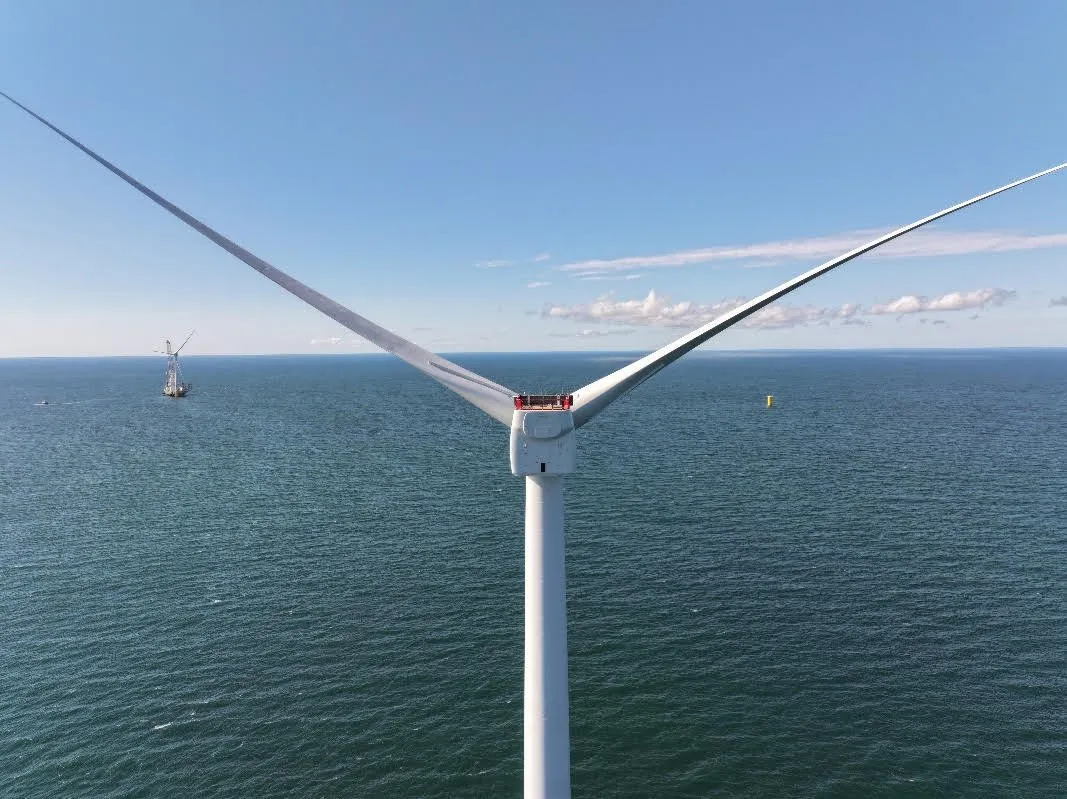
A particular nascent company believes the ocean presents a more suitable location for these facilities. Aikido, an offshore wind energy developer, intends to immerse a 100-kilowatt pilot data facility near the Norwegian coastline this year. This compact module will reside within the underwater chambers of a floating offshore wind turbine.
Should this endeavor prove successful, the firm aims to construct a more substantial iteration for deployment adjacent to the United Kingdom’s shores by 2028. This specific design will feature a turbine generating between 15 and 18 megawatts, which will subsequently power a computational facility requiring between 10 and 12 megawatts.
Shifting operations to offshore sites could address several difficulties. Immediate access to energy stands as a clear advantage, given that the power generation facility will be situated directly above. Oceanic winds exhibit greater stability compared to terrestrial counterparts, and a relatively small battery system could compensate for any periods of calm.
Underwater data centers have the potential to nullify worries from local opposition groups (NIMBYs — ‘not in my backyard’) that object to the presence of data centers close to their residences due to issues of noise and environmental contamination.
Finally, with units immersed in frigid ocean water, the task of cooling the servers would become considerably easier. (Cooling presents a distinctly troublesome challenge for space-based computational hubs, as distinct methods are required within the void of cosmos.)
Yet, while offshore data centers address various hurdles, they present additional complications. The marine environment is unforgiving. While immersed servers would not be pounded by ocean swells, they would not remain entirely motionless, thus necessitating complete securing. Moreover, ocean water is highly erosive; consequently, all apparatus, encompassing the housing and all electrical and communication links, must be fortified to resist its effects.
Techcrunch event
San Francisco, CA
|
October 13-15, 2026
Aikido is not the inaugural enterprise to suggest submerging computational facilities into the ocean. Microsoft initially conceptualized this notion more than ten years prior, and in 2018, it commenced a trial near the Scottish coastline, which yielded reasonable success. A mere six out of over 850 servers malfunctioned during the 25-month test period. (The computational chamber was saturated with inert nitrogen gas, potentially accounting for the minimal server malfunction rates.)
Microsoft accumulated several patents throughout the ensuing years, which it made publicly available in 2021. Yet, as of 2024, the corporation had completely abandoned the undertaking.
{content}
Source:{feed_title}