
The conflict inIran escalated markedly this week, as both Israel and Iran executed assaults targeting petroleum and natural gas extraction and shipping infrastructure. These offensives raised the ante in a conflict already strangling energy and raw material markets, and are poised to jeopardize the enduring stability of the global economy. Last Friday, the International Energy Agency suggested that people telecommute, drive at slower speeds, and use gas stoves prudently to alleviate the sudden price surges from the predicament.
The circumstances in the Persian Gulf are incredibly severe, experts informed WIRED, to the point of being scarcely credible.
“This situation is the kind one presents to novice petroleum analysts, positing, ‘Whatifthis transpires …’ It serves as a truly captivating, instructive, and conceptual exercise,” states Rory Johnston, a Canadian investigator of the oil market. “It’s akin to contemplating, what if gravitational force abruptly ceased for a mere ten minutes? These are the concepts one offers to learners, suggesting, ‘Let’s apply a hypothetical scenario to an extreme event and observe the system’s response’? I genuinely never anticipated witnessing this.”
Ellen Wald, an advisor on energy and geopolitical matters, concurs. “This resembles one of those conflict scenario exercises within energy sectors,” she asserts.
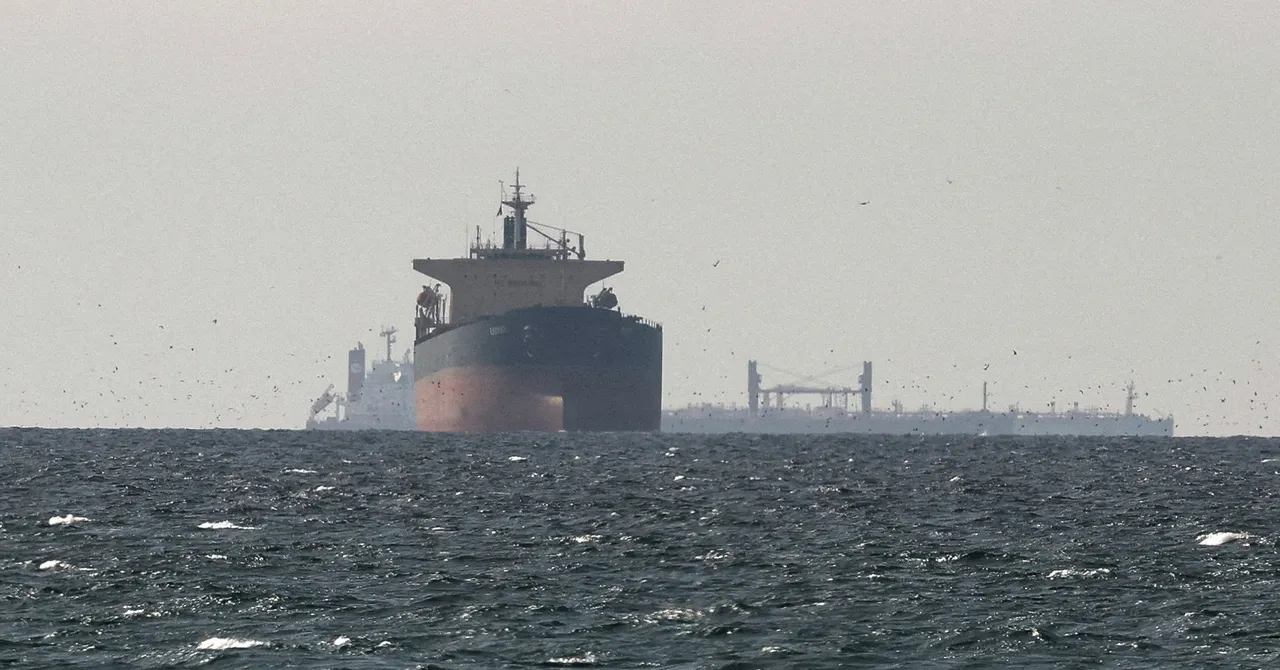
The preliminary assaults on Iran earlier in the current month effectively sealed off the Strait of Hormuz, a paramount maritime passage globally. This narrow channel serves as the primary conduit for petroleum and natural gas shipments not only from Iran, but also from other nations across the Middle East. The majority of the Organization of the Petroleum Exporting Countries (OPEC), the globe’s foremost petroleum and natural gas consortium, utilize this waterway to transport oil and gas from the area to clients. Furthermore, the strait constitutes a vital nexus for petroleum and natural gas derivatives such as industrial compounds and agricultural nutrients. The sealing of the strait reverberated throughout the international economy: Following the initial assaults, crude oil prices surged past $100 per barrel, marking the first occurrence since Russia’s incursion into Ukraine in 2022.
“Whenever any form of military engagement occurs in the Persian Gulf or even the Middle East, crude oil markets typically become highly volatile,” notes Wald; the closure of the strait indicated that this conflict might yield significantly more severe repercussions than previous hostilities. Nevertheless, for the initial several weeks, the petroleum extraction sites themselves largely stayed unharmed. “Neither crude oil nor its derivatives were being exported, and certain nations lacked sufficient storage capacity, leading them to cease output merely due to an inability to stockpile the oil,” Wald explains. “However, such a situation is generally amenable to relatively swift reversal.”
In recent days, nonetheless, rocket attacks have commenced intensely focusing on petroleum and natural gas infrastructure. Last Thursday, Israel initiated multiple assaults against diverse oil and gas installations within the area, prominently, the South Pars gas field, recognized as the globe’s largest natural gas reserve, managed collaboratively by Iran and Qatar. Iran responded with reciprocal attacks, one of which targeted the planet’s foremost oil export terminal located in Qatar. Crude oil costs briefly surged to almost $120 per barrel.
These offensives seemingly inflicted harm upon essential infrastructure vital for the global fossil fuel provision. Qatar accounts for approximately 20 percent of the worldwide liquefied natural gas (LNG) output. The chief executive of QatarEnergy, the governmental petroleum and natural gas enterprise, informed Reuters that the assaults had incapacitated 17 percent of its operational capability for the upcoming five-year period, and that the corporation would be compelled to invoke force majeure on agreements with nations in Europe and Asia owing to the incurred harm.
“Upon reaching the stage where genuine enduring damage is occurring, it will not be readily amendable,” states Wald. “Even after the hostilities conclude, we might still experience a phase of persistently elevated crude oil costs solely attributable to the diminished output.”
{content}
Source:{feed_title}