
Key Takeaways
- Microsoft has unveiled MAI-Cyber-1-Flash, a new AI model specifically designed to detect complex vulnerabilities in software codebases, marking its official entry into specialized cybersecurity AI.
- Alongside the model, Microsoft launched “Perception,” an AI platform that deploys autonomous “agent teams” (red, blue, green) to automate and streamline various security workflows from attack simulation to bug remediation.
- The company claims MAI-Cyber-1-Flash significantly outperforms rival models from Anthropic, Google, and OpenAI on industry benchmarks, signaling an intensified competition in the rapidly evolving AI cybersecurity landscape.
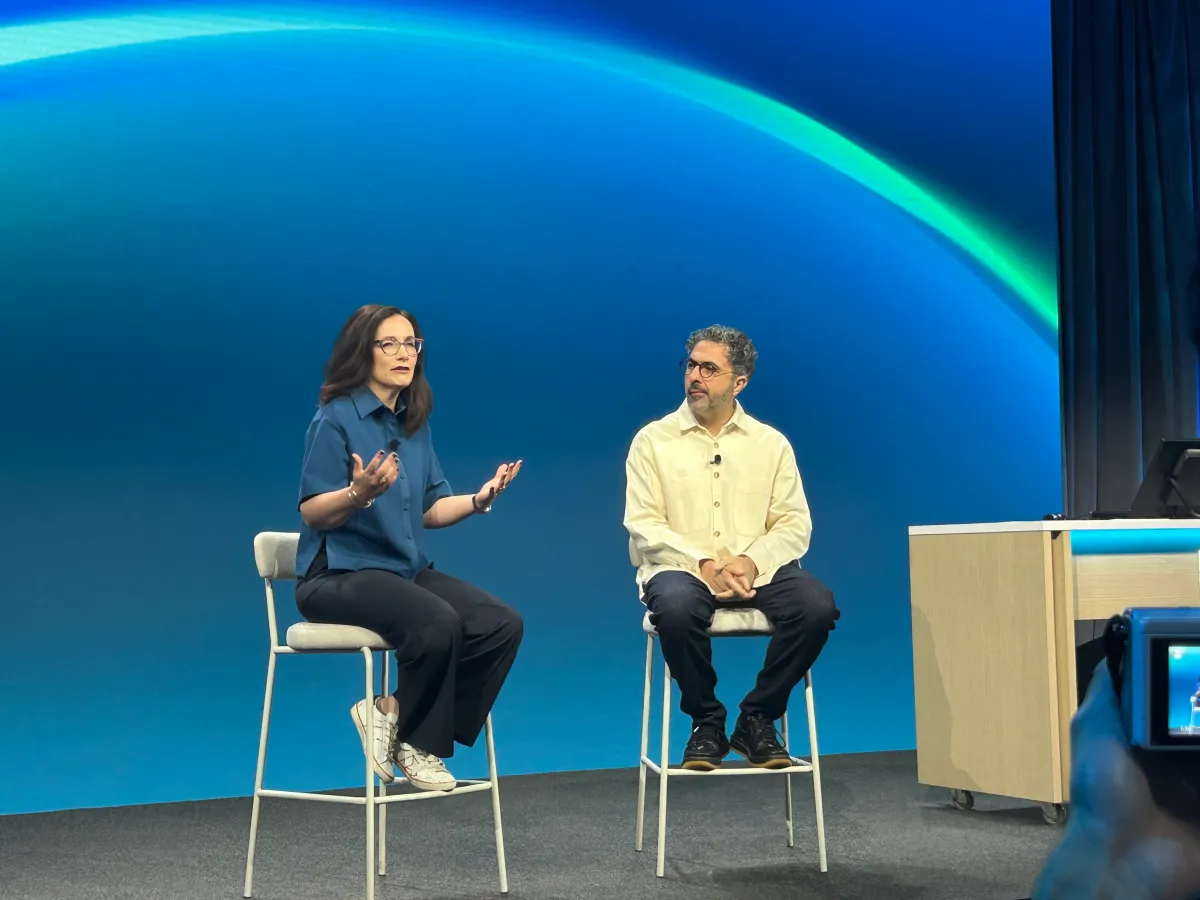
In a significant move that could reshape the cybersecurity industry, Microsoft on Monday formally introduced its first specialized AI model for cybersecurity, MAI-Cyber-1-Flash, alongside a sophisticated new AI cybersecurity platform named Perception. Unveiled at an exclusive event in San Francisco, these new tools represent a direct challenge to established and emerging players like Anthropic, Google, and OpenAI, signaling Microsoft’s aggressive intent to dominate the AI-powered defense sector.
MAI-Cyber-1-Flash: A New Era for Vulnerability Detection
At the heart of Microsoft’s new offering is MAI-Cyber-1-Flash, a groundbreaking AI model engineered with a singular, critical purpose: to meticulously scour and identify “challenging vulnerabilities in complex codebases.” This model is not just a standalone tool; it’s built to power MDASH, Microsoft’s proprietary harness dedicated to the identification and swift remediation of software vulnerabilities.
The Redmond giant is not shy about its model’s capabilities. Mustafa Suleyman, the visionary co-founder of DeepMind and current CEO of Microsoft AI, expressed immense excitement over the initial performance metrics. “We’re very very excited to announce our results,” Suleyman stated, emphasizing MAI-Cyber-1-Flash’s superior performance. He detailed how “MAI-1 Cyber Flash binded [sic] with GPT 5.4 inside of the MDASH harness” achieved unprecedented results, outperforming key competitors, specifically “Gemini, GPT 5.5 Cyber, GPT 5.6 Sol, and Mythos 5 on Cyber Gym, which is the primary benchmark that we all use. The golden benchmark.” These claims, if substantiated across broader applications, suggest a significant leap in AI’s capacity for proactive cybersecurity and hint at Microsoft’s internal advancements beyond public knowledge regarding next-gen GPT models.
Suleyman underscored the immediate impact of these advancements, confirming, “We’re shipping this into production immediately.” This aggressive rollout strategy highlights Microsoft’s confidence in the model’s readiness and its intent to quickly arm enterprises with cutting-edge defenses against an ever-evolving threat landscape.
Perception: Automating Defense with Agentic AI Teams
Complementing MAI-Cyber-1-Flash is Perception, Microsoft’s new AI security platform. Perception is designed to revolutionize enterprise security workflows by deploying intelligent “teams of agents” capable of assisting with and automating a wide array of security tasks. From identifying subtle bugs to orchestrating their remediation, Perception promises a new level of efficiency and proactive defense. The platform is also built to seamlessly integrate with MDASH, creating a cohesive and powerful security ecosystem.
Hayete Gallot, Microsoft’s vice president for security, articulated the strategic necessity behind Perception. As cybercriminals increasingly leverage AI to craft sophisticated attacks, traditional human-centric defenses risk being overwhelmed. Gallot positioned Perception as the crucial countermeasure: “defend against AI with AI at the scale and speed that the attackers have.” This philosophy underpins the platform’s design, which employs specialized agentic teams to simulate, detect, and fix vulnerabilities with unprecedented speed.
The Power of Agentic Red, Blue, and Green Teams
Perception’s innovative architecture is built around three distinct types of AI-powered agent teams:
- Red Teams:These agents are designed to act as simulated attackers. They provide highly detailed simulations of potential cyberattacks, offering invaluable context about likely threat actors and the specific vulnerabilities they might exploit. This proactive approach allows organizations to identify weak points before they are targeted by real adversaries.
- Blue Teams:Once potential or existing issues are identified, the blue teams spring into action. Their primary function is dedicated to detecting and meticulously triaging existing bugs and anomalies within the system, ensuring that critical vulnerabilities are prioritized for remediation.
- Green Teams:Following detection and triage, the green teams take on the crucial role of “corrective actions.” These agents are responsible for implementing fixes, deploying patches, and ensuring that identified bugs are effectively neutralized, thereby closing security gaps efficiently.
Dave Weston, the lead engineer for Perception, highlighted the transformative efficiency gains offered by the platform. “We’ve gone from this taking hours and hours of manual work from multiple specialized folks across the security organization — appsec hunters, remediation engineers, you name it — and in minutes, we have a fix for all of this,” Weston explained. He added, “Not only do we discover the issues and prioritize them, but we have detection, posture fixing, and even a code fix.” This dramatic reduction in time and human effort represents a paradigm shift in how enterprises can approach cybersecurity, making comprehensive defense far more accessible and robust.
The AI Cyber Arms Race: A Crowded and Critical Field
Microsoft’s entry into this specialized AI cybersecurity arena comes at a critical juncture. The landscape of cyber threats is rapidly evolving, with the widespread availability of advanced AI tools empowering cybercriminals to launch more sophisticated, scalable, and evasive attacks than ever before. This “AI vs. AI” dynamic necessitates equally advanced defensive capabilities.
The market for AI cybersecurity solutions is becoming increasingly crowded. Earlier this year, Anthropic, a prominent AI research company, launched its own security platform, Mythos, which was initially released to a select group of partner organizations through its Glasswing program. OpenAI, another leading AI innovator, also introduced its security solution in May via a program called Daybreak. Google, with its vast AI research and infrastructure, has likewise been investing heavily in leveraging AI for its own security offerings and for its cloud customers.
Microsoft’s bold claims of outperforming these major players on established benchmarks signify a new intensity in this technological arms race. It underscores the industry-wide recognition that AI is not just another tool in the cybersecurity arsenal, but a fundamental shift in how battles for digital safety will be fought and won. For enterprises grappling with an overwhelming volume of threats, the promise of AI-driven automation and superior vulnerability detection offers a much-needed lifeline.
Availability and the Road Ahead
These powerful new security tools from Microsoft, including MAI-Cyber-1-Flash and the Perception platform, are slated to be available in preview starting November 3. This immediate rollout will allow early adopters to experience the touted efficiencies and enhanced defensive capabilities firsthand, providing crucial feedback for further refinement.
The implications of Microsoft, a titan in both software and cloud services, making such a substantial push into AI-specialized cybersecurity are profound. It will undoubtedly spur further innovation across the industry, forcing competitors to accelerate their own AI security developments. For businesses, it offers the prospect of more resilient, automated, and ultimately more effective defenses against the relentless tide of cyber threats, promising a future where AI can truly fight fire with fire.
Bottom Line
Microsoft’s launch of MAI-Cyber-1-Flash and the Perception platform marks a pivotal moment in cybersecurity, signaling the company’s aggressive strategy to leverage specialized AI models and agent-based automation to combat the escalating threat of AI-powered attacks. By claiming superior performance over industry rivals and committing to immediate production, Microsoft is not just entering the AI cybersecurity race; it’s aiming to lead it, promising enterprises a transformative leap in defense capabilities and setting the stage for an intense new chapter in the battle for digital security.
When you purchase through links in our articles, we may earn a small commission. This doesn’t affect our editorial independence.
{content}
Source:{feed_title}