
Welcome back toTechCrunch Mobility, your hub for the future of transportation and now, more than ever, the role AI is playing in it. To get this in your inbox, sign up here for free — just click TechCrunch Mobility!
Key Takeaways
- California Leads on Robotaxi Accountability:The Golden State has enacted Senate Bill 1246, a landmark law aimed at enhancing safety and accountability for autonomous vehicle (AV) companies, mandating local support for incidents and imposing penalties for disruptions.
- Industry Grapples with Regulatory Reality:As AV technology advances, the industry faces increasing pressure to balance innovation with public safety and operational reliability, setting a precedent that other states and the federal government may soon follow.
- Diverse Mobility Sector Continues to Innovate & Attract Investment:Beyond robotaxis, the broader mobility landscape – from electric truck startups and drone delivery to maritime intelligence and in-car data privacy – is seeing significant deal flow and crucial developments, highlighting the sector’s dynamic expansion.
California’s Bold Stance: Regulating the Robotaxi Revolution
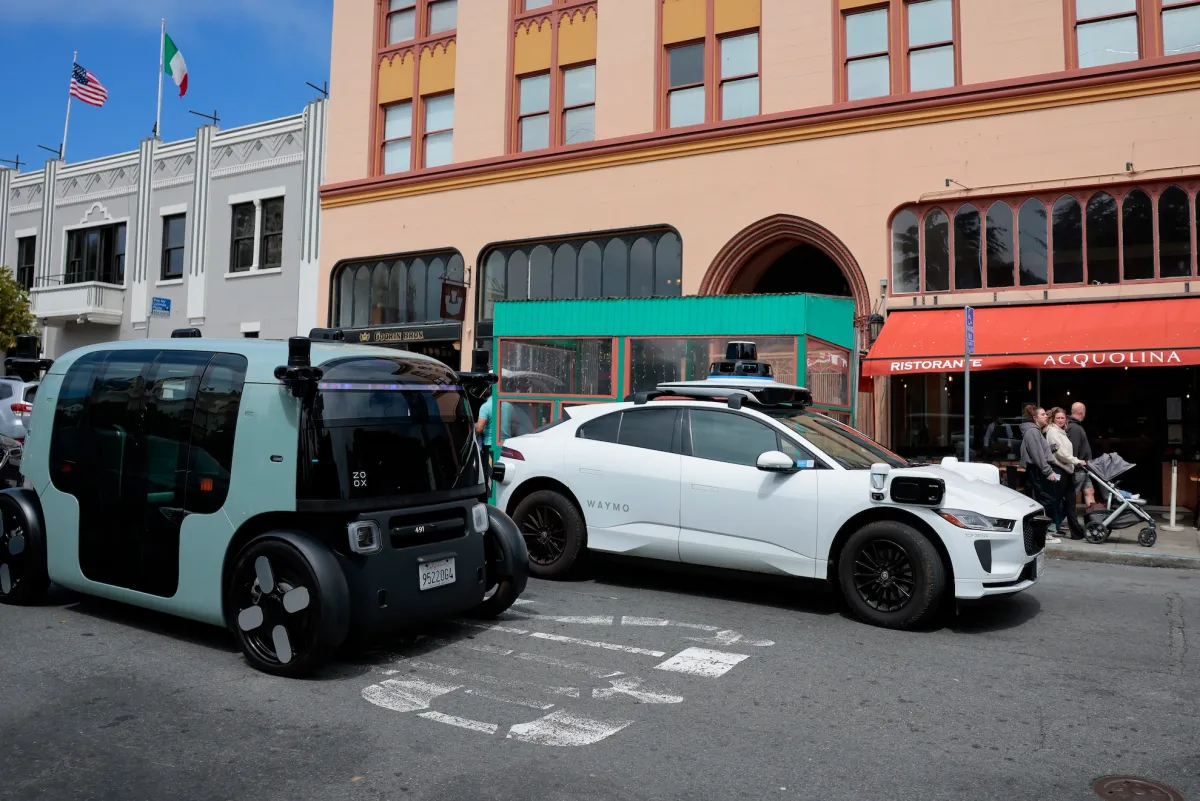
The vision of autonomous vehicles seamlessly navigating our cities has long been a tech dream. In bustling urban centers like San Francisco, this dream is already a daily reality, with dozens, if not hundreds, of Waymo robotaxis silently gliding through streets. For many, they represent a glimpse into the future of urban transit – efficient, quiet, and largely uneventful. However, asTechCrunchhas extensively reported, this nascent robotaxi era hasn’t been without its significant growing pains.
Incidents of autonomous vehicles impeding traffic, inadvertently driving into active crime scenes, or obstructing the critical work of first responders have become increasingly common, and not just in the Bay Area. These disruptions highlight a pressing challenge: how to integrate cutting-edge autonomous technology into complex human-centric environments without compromising public safety and emergency services. In some critical situations, AV companies have even had to rely on first responders themselves to manually move their disabled vehicles – a stark reminder of the technology’s limitations in unforeseen circumstances.
These challenges are emerging during the very early stages of robotaxi deployment, raising significant concerns about scalability and safety as the industry prepares for a much larger wave of vehicles. Recognizing the urgency, California, often at the forefront of technological regulation, has moved to proactively address these issues before they escalate further.
Senate Bill 1246: A Framework for Responsibility
This week,Governor Gavin Newsomsigned Senate Bill 1246 into law, marking a pivotal moment in the regulation of autonomous vehicles. This comprehensive legislation is designed to establish a clear set of rules for AV operators, aiming to significantly improve safety protocols and incident response times when these vehicles malfunction, become disabled, or interfere with emergency services. Critically, the law also builds mechanisms to hold companies accountable should they fail to meet these new standards.
Under the provisions of SB 1246, major autonomous vehicle technology companies such asTesla,Waymo, andZooxwill now be required to provide immediate, on-the-ground support to first responders whenever their robotaxis create problems. This means having personnel available locally to assist with vehicle removal, troubleshooting, and ensuring clear pathways for emergency services. Moreover, the law introduces financial penalties for prolonged disruptions, specifically targeting instances where a robotaxi blocks police or firefighters for more than 30 minutes – a timeframe that could have severe consequences in life-or-death situations.
Beyond immediate incident response, the new law also stipulates several key operational requirements. AV developers must exclusively employ remote drivers who are based in the United States and hold a valid U.S. driver’s license. This provision aims to ensure accountability and accessibility for regulatory oversight. Furthermore, companies are mandated to notify cities, towns, and other local jurisdictions about the precise location and status of their vehicles during system-wide failures, ensuring transparency and coordinated response. To further bolster local support, AV developers must also provide “local incident technicians” who are equipped and trained to assist with AV accidents and obstructions directly at the scene.
While the core tenets of SB 1246 are now law, specific implementation details still need to be ironed out. The Department of Motor Vehicles (DMV), California’s primary regulator for autonomous vehicles, will be responsible for developing the necessary regulations and guidelines to bring the law into full effect. When it officially goes into force in July 2028, the critical question remains: will this new legislation truly keep robotaxis out of the way of emergency responders?
It’s a complex challenge, and absolute prevention of all incidents is likely an unrealistic expectation. However, the law is unequivocally a step in the right direction. It aims to significantly reduce the chaos and enhance accountability when incidents inevitably occur, shifting the burden of resolution more firmly onto the shoulders of the AV operators themselves. The broader implication is clear: California is setting a precedent. The next pressing question for the industry and policymakers alike is whether other states will follow California’s lead, or if the federal government will finally step in to provide a unified regulatory framework for autonomous vehicles across the nation.
The Dynamic Landscape: Deals, Developments, and Disruptions in Mobility
While regulatory frameworks evolve, the mobility sector continues its relentless pace of innovation and investment. From electric vehicle manufacturing to sophisticated maritime intelligence, the flow of capital and cutting-edge advancements underscores the industry’s transformative potential.
- Harbinger’s Electric Fleet for FedEx:EV startupHarbingerhas secured a substantial $300 million deal to supply FedEx with 2,000 electric trucks. This partnership highlights the accelerating trend of major logistics companies transitioning to electric fleets, driven by sustainability goals and operational cost efficiencies.
- HyperGuest’s Travel Tech Boost:Israeli travel tech startupHyperGuestraised $25 million from AMI, the investment arm of Apax Partners. This investment signals continued confidence in technology solutions aimed at optimizing the hospitality and travel sector, particularly in an era demanding greater efficiency and personalization.
- REGENT Craft’s Seaglider Expansion:The developer of the all-electric Seaglider,REGENT Craft, extended its collaboration with the U.S. Marine Corps Warfighting Lab, pushing the total contract value to an impressive $19.25 million. This partnership demonstrates the military’s interest in innovative, zero-emission transportation solutions that offer new tactical advantages.
- Quartermaster’s Maritime Intelligence Haul:Arlington, Virginia-based maritime intelligence startupQuartermasterclosed a robust Series B round, securing $140 million. A significant $100 million came from Insight Partners, defense-focused Overmatch Ventures, and First Round Capital, complemented by a $40 million debt facility from Stifel. This substantial funding underscores the growing strategic importance of advanced data and intelligence in the maritime domain, crucial for defense and commercial logistics.
- Voltaback’s Fleet Management Growth:French fleet management software startupVoltabackraised €2.8 million from European investment fund Serena. This investment reflects the ongoing demand for sophisticated software tools that enhance the efficiency, tracking, and management of diverse vehicle fleets, a critical component of modern logistics and service operations.
Notable Reads and Other Tidbits: Pushing the Boundaries of Mobility

- Aurora’s Ambitious Trucking Goal:WhenAuroradeclared its intent to have 30,000 autonomous trucks on the road by the end of 2030, it raised eyebrows. An exclusive interview with CFO David Maday provided insight into how the company plans to achieve this bold target, emphasizing strategic partnerships and a phased rollout approach.
- BMW’s Electric Parity Play:BMWunveiled its new 2027 3 Series, offering essentially the same car in both gas and electric variants. Intriguingly, the electric version is positioned as the more affordable option, signaling a strategic shift in pricing to drive EV adoption.
- DoorDash Air Takes Flight:DoorDashshared more details about its burgeoning drone delivery business, DoorDash Air. The company’s focus on autonomous aircraft and robust ground-based systems indicates a serious commitment to expanding its logistics capabilities beyond traditional road delivery.
- Kodiak Powers Ikea’s Driverless Logistics:Kodiakhas secured Ikea as a client, with plans to begin driverless deliveries on public highways later this year. These autonomous trucks will haul Ikea products without human intervention on a 219-mile stretch of Interstate 45 between Houston and Dallas, showcasing the increasing viability of long-haul autonomous freight.
- Lyft’s Landmark Settlement:Lyftagreed to a significant $272.5 million settlement in a lawsuit accusing the ride-hailing giant of misclassifying drivers as independent contractors rather than employees. This settlement addresses violations predating the approval of Prop 22, which allowed gig companies to maintain the contractor model in California.
- Cars as Data Sponges:A study byNortheastern Universityrevealed that 21 late-model vehicles from 17 automakers, along with 30 companion mobile apps, are collecting a vast trove of personal data. This data is often shared with numerous tech companies, including Adobe, Contentsquare, Google, Microsoft, Meta, Snap, and Yahoo, raising significant privacy concerns for modern drivers.
- SpaceX Starship’s Orbital Milestone:SpaceX’sStarship rocket achieved Earth orbit for the first time, a monumental engineering feat, albeit one accompanied by some dramatic moments. This success marks a crucial step forward for heavy-lift space transportation, with implications for future satellite deployment and deep-space missions.
- Rivian’s Record-Breaking Quarter:Rivianreported a record-setting quarter of sales, largely attributed to the strong performance of its new R2 SUV. The company continues to forecast robust growth, signaling its increasing traction in the competitive electric vehicle market.
The Bottom Line
The mobility sector is a whirlwind of innovation, investment, and evolving regulation. California’s new AV law underscores a critical pivot towards greater accountability for autonomous technology, setting a benchmark that will inevitably influence future policies nationwide. As companies push the boundaries of electric vehicles, autonomous logistics, and digital connectivity, the industry’s sustained growth hinges on its ability to balance groundbreaking advancements with robust safety protocols, ethical data practices, and proactive engagement with the public and policymakers. The road ahead for mobility tech is undoubtedly exciting, but it demands careful navigation and a steadfast commitment to responsible development.
Key Takeaways
- Autonomous Vehicle Sector in Flux:While Waymo expands cautiously, Cruise faces severe regulatory setbacks and operational scaling challenges, highlighting the precarious path to widespread autonomous adoption and the intense scrutiny surrounding AV safety.
- EV Makers Navigate Growth and Growing Pains:Tesla demonstrates robust sales and ambitious AI/robotics aspirations, signaling its future direction, while Rivian balances impressive production ramp-ups with a significant safety recall, underscoring the complexities and high stakes of manufacturing innovation in the electric vehicle market.
- Industry Leaders Convene at Disrupt 2026:Major tech conferences remain vital platforms for critical discussions on mobility, AI, and the future of technology, offering unparalleled access to insights from CEOs and innovators tackling the industry’s toughest challenges and showcasing emerging startups.
The tech world, particularly the dynamic realms of mobility and artificial intelligence, continues to deliver a relentless stream of news, oscillating between ambitious breakthroughs and sobering setbacks. This week offers a microcosm of these trends, from the contrasting fortunes of autonomous vehicle pioneers to the intricate challenges faced by electric vehicle manufacturers, all while the industry gears up for a pivotal gathering of minds.
The Autonomous Rollercoaster: Waymo Soars as Cruise Stumbles
The race for autonomous mobility saw significant divergence this past week, underscoring the high stakes and variable progress in this capital-intensive sector. On one end, Alphabet’s self-driving division,Waymo, celebrated a notable expansion, securing approval to launch its autonomous ride-hailing service at Phoenix Sky Harbor International Airport. This move marks a critical step, integrating autonomous vehicles into a high-traffic, complex environment, and demonstrating Waymo’s continued, albeit measured, progress toward widespread commercialization. For Waymo, this expansion is not just about additional routes; it’s about proving the reliability and safety of its technology in diverse operational settings, a crucial factor in building public trust and regulatory confidence.
However, the narrative shifted dramatically when turning toCruise, General Motors’ autonomous subsidiary. What started as an ambitious rollout in major U.S. cities has quickly spiraled into a cautionary tale. Following a highly scrutinized incident involving one of its robotaxis and a pedestrian in San Francisco, the company faced immediate and severe repercussions. The California Department of Motor Vehicles (DMV) revoked Cruise’s driverless testing and deployment permit, citing safety concerns and allegations that Cruise withheld critical information regarding the accident. This regulatory hammer blow forced Cruise to halt all driverless operations in San Francisco, a city that had been its primary testing ground and showcase.
The ripple effects of this incident have been profound and far-reaching. Cruise subsequently made the difficult decision to cut services in several other cities, including Houston, Dallas, and Miami, where it had only recently begun scaling operations. This strategic retreat signals a significant pause in its aggressive expansion plans, prompting a re-evaluation of its technology, safety protocols, and regulatory engagement. Adding to the company’s woes,GMitself initiated a recall for 50 of Cruise’s autonomous vehicles. While the recall specifically addresses a software issue related to pedestrian detection following a collision, it further compounds the public perception challenge facing Cruise and, by extension, the broader autonomous vehicle industry. The events surrounding Cruise highlight the immense pressure on AV companies to not only innovate but to do so with impeccable safety records and transparent communication, as public and regulatory patience for errors remains extremely thin.
EV Market: Navigating Growth and Recalls
The electric vehicle market, while booming, is not without its share of manufacturing complexities and quality control challenges.Rivian, the American electric vehicle manufacturer specializing in trucks and SUVs, offers a prime example of this duality. The company has demonstrated impressive growth, increasing its annual production target to between 65,000 and 70,000 vehicles this year. This upward revision underscores Rivian’s successful ramp-up of its manufacturing capabilities and a healthy demand for its R1T pickup and R1S SUV. However, this growth has not been entirely smooth sailing. The company recently issued a recall for its R2 SUV due to fasteners on its high-voltage battery pack that might not be properly tightened. Such a defect can lead to a loss of power while driving, posing a significant safety risk and highlighting the intricate balance between rapid production scaling and stringent quality assurance in the nascent EV industry.
Meanwhile, the undisputed market leader,Tesla, continues to deliver robust performance in its core automotive business. The company announced strong third-quarter sales, moving more than 480,000 EVs. This marks the second consecutive strong quarter for Tesla, cementing its dominance after a somewhat softer start to the year. Despite this success, the company faced a minor hiccup with the repeated delay of its highly anticipated Roadster 2 event, this time attributed to inclement weather, a small reminder that even industry giants face logistical challenges.
Beyond its electric vehicle sales, Tesla is increasingly positioning itself as far more than just an automotive company. A year ago, Elon Musk unveiled his fourth Master Plan, articulating a grand vision of “amazing abundance” delivered through robotaxis, humanoid robots like Optimus, and advanced AI. While the specifics of how this ambitious plan will fully materialize remain “tricky to pin down,” as observed by Sean O’Kane, Tesla is certainly backing its aspirations with capital. The company recently secured a substantial $30 billion in fresh credit lines. This significant financial war chest is earmarked to scale its future products, including the development and deployment of the Optimus robot and the Cybercab robotaxi fleet. This strategic financial move underscores Tesla’s commitment to evolving into a full-fledged AI and robotics powerhouse, aiming to leverage its technological ecosystem far beyond traditional vehicle manufacturing.
The Countdown to Disrupt 2026: Insights, Innovation, and Networking
Amidst these unfolding industry narratives, the stage is being set for one of tech’s most anticipated annual gatherings:Disrupt 2026. TechCrunch’s flagship conference in San Francisco is just days away, promising a confluence of visionary leaders, cutting-edge startups, and critical discussions shaping the future of technology. For those eager to dive deep into the trends discussed – from the challenges of autonomous driving to the future of AI and sustainable mobility – Disrupt offers an unparalleled opportunity. As a special incentive, attendees can secure a 30% discount on tickets using the codemobility30.
The agenda for Disrupt 2026 is packed with luminaries and thought leaders. I am personally looking forward to interviewing Rivian CEO RJ Scaringe onstage on October 13th, where we’ll undoubtedly delve into the complexities of scaling EV production and navigating recalls, mirroring the discussions above. Further broadening the scope of mobility and AI, I will also be speaking with Mikell Taylor, Director of Robotics Strategy at GM; Shield AI CTO Nathan Michael; and Waabi founder and CEO Raquel Urtasun on a crucial panel titled “Building AI Systems When Failure Is Not an Option.” This panel directly addresses the high-stakes environment faced by companies like Cruise and Waymo.
The conference extends beyond the immediate concerns of mobility. Sean O’Kane will lead a fascinating discussion with Also CEO Chris Yu, Yuri Sagalov, Managing Director at General Catalyst, and Shan Shan, Investment Manager at Baillie Gifford, exploring “How to Win When You’re Not Building AI.” Attendees will also hear from executives and engineers representing some of the most innovative companies in the AI space, including Cerebras, Nvidia, OpenAI, and Replit, to name a few. Beyond the main stage, Disrupt provides a platform for emerging innovation through its Startup Battlefield 200. This year, one such participant, MyMonthly Car, has earned a coveted spot to exhibit, offering a glimpse into the next wave of disruptive ideas. The full agenda promises a comprehensive exploration of the tech landscape, making it an essential event for anyone invested in the future of innovation.
Bottom Line
This week’s tech news encapsulates the exhilarating highs and challenging lows that define the modern innovation landscape. The mobility sector, particularly autonomous vehicles and EVs, stands at a critical juncture, balancing rapid technological advancement with the imperative of safety, regulatory compliance, and sustainable growth. Meanwhile, the broader tech world continues its relentless pursuit of AI and robotics, promising transformative change but demanding colossal investment and strategic vision. As industry leaders and nascent startups converge at events like Disrupt 2026, the discussions and collaborations forged there will undoubtedly play a crucial role in shaping the direction and pace of these monumental shifts, reminding us that the future is always under construction, fraught with both opportunity and formidable obstacles.
When you purchase through links in our articles, we may earn a small commission. This doesn’t affect our editorial independence.
Source:{feed_title}