

FOX Business’ Lydia Hu reports on the Federal Trade Commission’s announcement that July is ‘Made in the USA’ month and Chairman Andrew Ferguson’s goals for American-made products.
Key Takeaways
- **Enhanced Regulatory Scrutiny on Tech Giants:** The FTC under Chairman Ferguson has escalated antitrust and consumer protection enforcement against dominant tech platforms, leading to significant financial settlements and potential shifts in business models for companies like Amazon, Meta, Google, and Apple.
- **Targeted Cost Reduction in Key Sectors:** Aggressive actions in healthcare (drug pricing, medical device mergers) and labor markets (no-hire agreements) aim to foster competition and reduce consumer costs, directly impacting industry profitability and investment strategies.
- **Broader Market Repercussions:** The FTC’s proactive stance signals an evolving regulatory landscape that could reshape M&A activity, incentivize domestic manufacturing, and influence investment decisions across diverse sectors from real estate tech to advertising, fostering both opportunities for challengers and increased compliance burdens for incumbents.
A year into his tenure, Federal Trade Commission Chairman Andrew Ferguson has steered the agency into a period of heightened activity, marking a distinct shift in regulatory focus with significant market implications. While often framed within a political context, the FTC’s actions under Ferguson warrant close examination for their potential impact on corporate valuations, industry structures, and consumer economics.
Ferguson’s approach, characterized by a pragmatic focus on outcomes rather than purely academic theory, has already seen substantial consumer restitution, with reports indicating $3.2 billion returned to consumers—a figure that underscores the scale of identified market malpractices. This aggressive stance is aligning with a broader policy agenda aimed at fostering competition, lowering costs for American households, and addressing what the administration perceives as entrenched monopolies that have distorted market dynamics for decades.
WASHINGTON, DC – MAY 15: Federal Trade Commission Chairman Andrew Ferguson testifies before the House Appropriations Committee Subcommittee on Financial Services and General Government in the Rayburn House Office Building on May 15, 2025 in Washingto(Kevin Dietsch/Getty Images)
The financial markets are particularly attuned to the FTC’s increased scrutiny of trillion-dollar corporations, especially within the Big Tech sector. For too long, critics argue, these dominant players have leveraged their market power to stifle nascent competition, suppress smaller businesses, and dictate terms of engagement. Ferguson’s FTC has moved beyond rhetoric, opening formal inquiries into platforms like Meta regarding practices such as “shadow banning” or viewpoint-based content restrictions. These investigations carry substantial weight, as any finding of consumer protection or competition law violations could lead to significant fines, mandatory changes in algorithms, or even structural remedies, directly impacting revenue models and stock performance for these tech giants.
Furthermore, direct warnings to dominant gatekeepers, including Google and Apple, concerning search bias and curated products like Apple News, signal an intent to hold these companies accountable for perceived misrepresentations of neutrality. Should the FTC prove that these companies mislead users while exercising editorial control, the legal and financial ramifications could be considerable, potentially forcing a reevaluation of their core platform strategies and advertising revenue streams. The specter of such actions injects a new level of regulatory uncertainty into the tech sector, influencing M&A decisions and capital allocation.
A landmark achievement cited during Ferguson’s tenure is the FTC’s $2.5 billion settlement with Amazon. Such a substantial penalty not only sends a clear message about the agency’s enforcement capabilities but also serves as a potent reminder to other e-commerce and platform businesses about the potential liabilities associated with aggressive market practices. Beyond financial penalties, the FTC is putting corporations on notice regarding compliance with foreign censorship regimes or the quiet suppression of lawful speech, signaling that corporate conduct in these areas could fall under the purview of the FTC Act. This marks a new frontier for antitrust enforcement, underscoring a belief that the era of unchecked empire-building in Silicon Valley is drawing to a close.

Amazon founder Jeff Bezos.(STEFANO RELLANDINI/AFP via Getty Images / Getty Images)
Beyond tech, Ferguson’s FTC is actively addressing perceived cost drivers in other critical sectors. In healthcare, the agency is aggressively pursuing actions to protect patients from anticompetitive behavior, a strategy with profound implications for pharmaceutical companies, pharmacy benefit managers (PBMs), and medical device manufacturers. A landmark settlement aimed at lowering drug costs, for instance, directly affects the profitability and operational models of major PBMs and drug distributors. The FTC has also proactively blocked anticompetitive medical device mergers and launched a dedicated healthcare task force, signaling sustained scrutiny on consolidation within the sector. This heightened regulatory environment may force healthcare firms to reconsider M&A strategies, potentially favoring organic growth or smaller, targeted acquisitions over large-scale consolidations, thereby altering capital flows and investment theses in the sector.
The FTC’s scope extends to labor markets, where it is actively pursuing illegal no-hire agreements. These agreements, which can suppress wages and limit worker mobility, have been a target for enforcement, particularly in industries where they are prevalent (e.g., fast food franchises, specialized tech roles). Eliminating such practices could lead to increased wage competition, benefiting employees but potentially raising labor costs for affected businesses, which could in turn influence pricing strategies and profit margins.
Further demonstrating its broad reach, the agency is halting mergers that would raise prices on everyday goods, from construction materials (e.g., Loctite/Liquid Nails) to other medical devices. This signals a robust stance against horizontal mergers that reduce consumer choice or pricing power. In the housing sector, the FTC is addressing alleged collusion, including cases against real estate tech giants like Zillow and Redfin for purportedly suppressing competition in rental advertising. Such actions could force changes in how real estate platforms operate, manage listings, and monetize their services, potentially opening avenues for new entrants or alternative business models.
Finally, the FTC is also making headlines for addressing alleged unfair and anticompetitive bias against conservative viewpoints in advertising, investigating antitrust concerns to prevent collusion or coordination based on political or ideological viewpoints. This is a novel application of antitrust principles, suggesting an expansion of the FTC’s enforcement mandate into areas traditionally viewed as content moderation or free speech debates, with potential impacts on how advertising platforms and media buyers operate. While the mention of “Made in the USA” month highlights a broader economic objective of supporting domestic manufacturing, any concrete FTC actions in this area, such as enforcement against false “Made in USA” claims, directly impacts branding, supply chain decisions, and consumer trust, potentially driving investment towards domestic production capabilities.
Market Impact
The aggressive and wide-ranging enforcement posture adopted by the Federal Trade Commission under Chairman Andrew Ferguson is creating a tangible shift in the market’s regulatory landscape. For dominant tech firms, increased antitrust scrutiny translates into a higher cost of doing business, potential divestitures, and a need to fundamentally re-evaluate growth strategies centered on consolidation. Investors in these sectors must now factor in substantial regulatory risk, which could depress valuations and deter future M&A. In healthcare, the sustained focus on drug pricing and merger control signals a period of margin compression for PBMs and a more challenging environment for large-scale hospital and device company mergers. Across all targeted sectors, from construction materials to real estate tech, businesses face an environment where market power is under intense review, potentially leading to a more fragmented competitive landscape. While this could foster innovation and reduce costs for consumers, it also introduces significant operational uncertainty for incumbents and alters the risk-reward profile for new investments in industries where consolidated market power was once a source of competitive advantage. The long-term implications point towards a market prioritizing fair competition and consumer welfare, but potentially at the expense of unchecked corporate expansion and established industry norms.
In an increasingly complex and concentrated economic landscape, the Federal Trade Commission (FTC) under Chairman Andrew N. Ferguson is signaling a profound shift in regulatory philosophy, promising significant repercussions across corporate America and financial markets. This aggressive stance, aligning closely with President Trump’s campaign pledges, prioritizes competition enforcement and consumer protection, challenging established market dynamics and introducing new dimensions of regulatory risk for investors.
Key Takeaways:
- Heightened Regulatory Scrutiny & M&A Headwinds:The FTC’s proactive approach signals increased regulatory hurdles and potential delays for mergers and acquisitions, particularly in sectors prone to consolidation like technology, pharmaceuticals, and legal services, impacting deal valuations and strategic growth.
- Focus on Labor Markets & Wage Dynamics:Direct intervention in hiring practices underscores a new regulatory focus on human capital markets, aiming to enhance labor mobility and potentially influence wage negotiations, creating both opportunities for workers and compliance challenges for employers.
- Sector-Specific Regulatory Risk & Consumer Protection:Enhanced enforcement against anticompetitive conduct and deceptive claims, especially in “Big Tech” and healthcare, introduces substantial operational and legal risks for incumbent firms, while potentially fostering innovation and improving consumer welfare through lower prices and more choices.
The FTC is notablydoingits part to aggressively scrutinize practices that stifle competition, particularly in hiring. The issuance of warning letters to law firms regarding potentially anticompetitive hiring conduct is not merely a legal formality; it’s a direct intervention into labor market dynamics. For investors, this signals an FTC willing to use antitrust authority to influence human capital allocation and wage setting, potentially impacting labor costs and talent acquisition strategies across industries. Companies traditionally relying on non-compete clauses or information-sharing agreements concerning salaries could face increased compliance burdens and legal challenges, shifting the balance of power in favor of employees and potentially leading to higher wage inflation in certain specialized sectors.
Beyond traditional antitrust, the FTC has alsolaunchedan inquiry into potentially fake and scientifically unsupported claims, specifically concerning “gender-affirming care” for minors. While seemingly niche, this action highlights a broader commitment to consumer protection and market integrity, especially where vulnerable populations are concerned. For publicly traded companies in the healthcare, wellness, and pharmaceutical sectors, this implies elevated scrutiny on marketing practices, scientific substantiation of claims, and ethical considerations in product development and promotion. The potential for regulatory penalties or reputational damage from misleading claims could introduce new layers of operational risk and impact investor confidence in companies operating in sensitive or emerging health markets.
These initiatives are presented as direct fulfillments of President Trump’s 2024 campaign promises, underscoring a politically aligned regulatory agenda. Chairman Ferguson’s interpretation of the FTC’s mandate as an active enforcer, directly accountable to the President and the American people, rather than an “unaccountable independent agency,” carries significant implications for market predictability. Investors should recognize that this politicized approach could lead to more aggressive, yet potentially more targeted, enforcement actions aligned with specific economic policy goals of the administration, such as fostering domestic competition, reducing reliance on foreign supply chains, or curbing the power of specific “Big Tech” entities. This regulatory posture introduces a dynamic where corporate strategy must increasingly factor in government policy direction as a critical variable.
The administration points to “historic enforcement actions, record-setting cases, and a sustained streak of victories against anticompetitive conduct.” This translates into tangible financial impacts: the halting of major mergers can disrupt sector consolidation plays, affecting M&A pipelines and valuation multiples for potential acquisition targets. Record settlements, while offering “real relief to consumers,” represent material financial liabilities for corporations, impacting earnings, balance sheets, and capital allocation strategies. Furthermore, “blockbuster litigation against Big Tech” signals a protracted period of legal battles and regulatory uncertainty for some of the market’s largest and most influential companies. This environment could lead to increased legal expenditures, diverted management attention, and potentially structural changes mandated by courts, all of which weigh on shareholder value and future growth prospects for these market giants.
The philosophical underpinning of this FTC’s actions is a rejection of the idea that dismantling “Big Government” should lead to unchecked “giant monopolies.” This perspective views concentrated market power, whether governmental or corporate, as inherently detrimental to the American people. Economically, this narrative suggests that monopolies extract “monopoly rents,” stifling innovation, limiting consumer choice, and inflating prices. By actively challenging this concentration, the FTC aims to rebalance market power, potentially fostering a more dynamic and competitive environment. However, this also implies a higher regulatory burden and increased compliance costs for large incumbent firms, who may argue that scale is necessary for efficiency and global competitiveness. For portfolio managers, this signals a need to re-evaluate exposure to highly concentrated sectors and consider diversification into mid-cap and small-cap firms that might benefit from a more level competitive playing field.
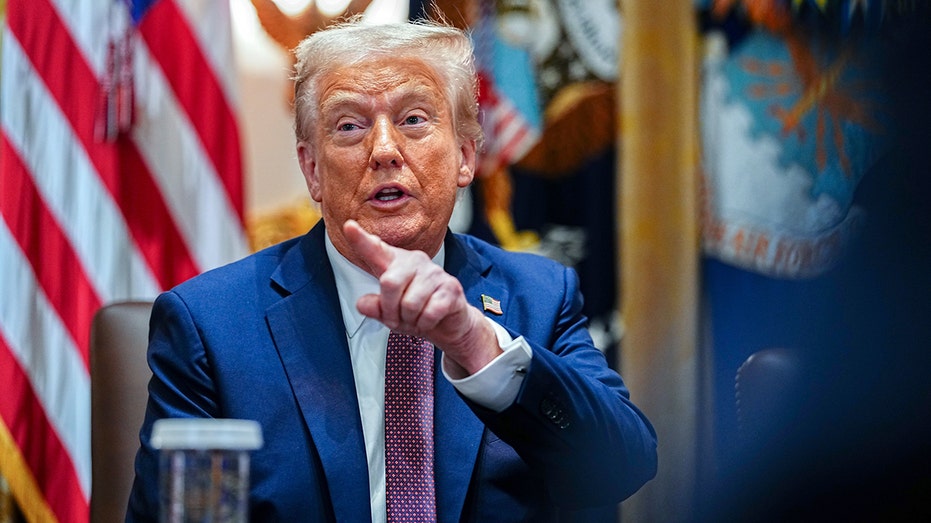
President Donald Trump picked Ferguson to head up the Federal Trade Commission, which author Mike Davis says was a home run.(Aaron Schwartz/CNP/Bloomberg via Getty Images / Getty Images)
This assertive regulatory posture is already drawing criticism from what the administration characterizes as a “bygone era of a Republican Party led by the Chamber of Commerce’s big-business-first, America-last faction.” These critics often raise concerns about an “overly aggressive, disruptive, and political” approach. From a market perspective, these criticisms highlight legitimate concerns about regulatory uncertainty, the potential for policy overreach, and the increased cost of doing business. Large corporations, typically accustomed to a more laissez-faire regulatory environment under past Republican administrations, may face significant adjustments to their strategic planning, capital allocation, and risk management frameworks. The increased compliance costs and potential for litigation could eat into profit margins, making certain business models less attractive to investors. Conversely, smaller businesses and start-ups might see new avenues for growth and market entry as barriers created by entrenched incumbents are challenged.
Ultimately, the administration argues that these actions will lead to lower prices, more choices, and a level playing field for America’s entrepreneurs and small businesses. If successful, this could have direct, measurable impacts on inflation rates, consumer spending power, and overall economic dynamism. Ferguson’s targeting of “Big Tech, drug middlemen, and corporate cartels” indicates specific sectors ripe for disruption. For instance, challenging drug middlemen (PBMs) could compress margins in the pharmaceutical supply chain but potentially lead to lower drug costs for consumers and improved profitability for drug manufacturers. In Big Tech, increased competition could foster innovation among challengers, but at the cost of reduced market dominance and potentially lower valuation multiples for established giants. These are not merely political statements; they represent a fundamental re-evaluation of market power with clear financial implications for investors and businesses alike.
This period of heightened antitrust enforcement under Chairman Ferguson and President Trump marks a significant departure from previous decades, demanding that market participants adapt swiftly to a new regulatory paradigm. His leadership, seen as effective and results-oriented by the administration, is setting a precedent that will undoubtedly shape the competitive landscape for years to come.
CLICK HERE FOR MORE FROM MIKE DAVIS
Market Impact:
The aggressive antitrust and competition stance by the FTC under Ferguson introduces a new layer of regulatory risk that investors and corporate strategists cannot ignore. Expect continued volatility in sectors dominated by large incumbents, particularly technology, pharmaceuticals, and concentrated service industries. M&A activity is likely to face tougher scrutiny and longer review periods, potentially leading to a slowdown in large-scale consolidation and a re-evaluation of deal premiums. Companies will need to allocate more resources to compliance, legal defense, and proactive antitrust risk management. While this environment could suppress valuations for established market leaders, it may simultaneously create opportunities for smaller, more agile competitors and foster innovation across the broader market. Furthermore, direct intervention in labor markets could influence wage trends and human capital strategies, impacting profitability for labor-intensive industries. Overall, capital allocation decisions must now heavily factor in this heightened enforcement climate, prioritizing organic growth, competitive differentiation, and robust regulatory compliance over unchecked market consolidation.