

Founder of Constellation Research Inc. Ray Wang discusses the volatile A.I. tech rally and Meta’s shifting compute strategy on ‘Making Money.’
**Key Takeaways**
1. **Escalating Regulatory & Reputational Risk:** A lawsuit alleging Meta used AI to disproportionately target protected employee groups for layoffs introduces significant legal and ethical challenges, potentially increasing regulatory scrutiny on AI deployment in HR and damaging Meta’s brand amidst its “Year of Efficiency” narrative.
2. **Impact on AI Strategy & Investor Sentiment:** While Meta denies the claims, the case highlights the inherent risks of unchecked AI integration, potentially forcing a re-evaluation of its internal AI governance and development practices. This uncertainty could weigh on investor sentiment, particularly those focused on ESG criteria and long-term operational integrity.
3. **Broader Industry Precedent:** This lawsuit could set a critical precedent for how AI is regulated in the workplace, particularly regarding bias and discrimination. Other tech giants and companies leveraging AI for talent management will closely watch the outcome, potentially facing increased compliance costs and development hurdles.
A group of 26 Meta employees has escalated a deeply concerning issue into federal court, filing a lawsuit that accuses the tech giant of leveraging AI-powered software to orchestrate mass layoffs. The allegations suggest this algorithmic approach disproportionately targeted workers with disabilities, or those who had taken protected medical, parental, or family leave, directly challenging Meta’s narrative of efficiency and its increasing reliance on artificial intelligence.
Filed in federal court in Oakland, California, on Monday, the lawsuit posits that Meta’s job cuts earlier this year were heavily influenced by factors such as internal AI systems, granular keystroke and activity-monitoring data, AI token-usage dashboards, and algorithmically assisted performance rankings. From a market perspective, this lawsuit strikes at the heart of two critical investor themes for Meta: its aggressive “Year of Efficiency” cost-cutting drive aimed at boosting profitability, and its multi-billion-dollar investment in AI as a core strategic pillar for future growth.
The plaintiffs argue that many of these data-driven factors, “by design, cannot be accumulated by an employee who is on protected medical or family leave, or whose output is reduced by a disability.” This structural flaw, they claim, resulted in a system that did not adequately factor in protected leave when assessing employee scores and “did not pause the system for the individualized, leave- and accommodation-neutral review that the law requires.” For investors, this raises serious questions about the ethical governance of Meta’s internal AI tools and the potential for significant legal liabilities and reputational damage if these claims are substantiated. The market has largely applauded Meta’s cost-cutting efforts, which have fueled a significant rebound in its stock price, but allegations of discriminatory practices underlying these efficiencies could temper that enthusiasm.
The plaintiffs are among the 8,000 employees, or about 10% of its workforce, that Meta announced in May would be impacted by layoffs, with their job eliminations slated to commence July 22. This round of layoffs followed an even larger cut earlier in the year, collectively reducing Meta’s headcount by over 20,000 employees. While these reductions were framed as necessary for streamlining operations and focusing resources on core growth areas like AI and the metaverse, the lawsuit now casts a shadow over the methodology of these critical strategic moves.
**FOUR STATES SEEKING $1.4 TRILLION IN PENALTIES IN CHILD SOCIAL MEDIA ADDICTION TRIAL, META SAYS**
A group of 26 Meta employees sued the tech giant alleging it used AI-powered software to choose people for mass layoffs.(David Paul Morris/Bloomberg via Getty Images / Getty Images)
The legal claims are extensive, citing violations of both state and federal laws, including the Family and Medical Leave Act (FMLA), the Americans with Disabilities Act (ADA), the Pregnancy Discrimination Act (PDA), and the Pregnant Workers Fairness Act (PWFA). These statutes are designed to prohibit discrimination or retaliation against workers who take medical leave, have disabilities, or are pregnant. Furthermore, the workers allege Meta failed to test its AI systems for bias, a critical omission that they claim violates newly adopted laws in California and New York City. This particular accusation is highly relevant to the broader tech industry, as regulators increasingly focus on algorithmic accountability and bias detection in AI systems, especially those impacting employment decisions. The outcome of this case could significantly influence the compliance burden for other companies developing and deploying AI in human resources.
The plaintiffs, hailing from six states and Washington, D.C., are seeking a preliminary ruling from the court to block Meta from completing the layoffs while they pursue their claims in private arbitration. They argue that while Meta’s agreements typically mandate individual arbitration for workplace disputes, such requirements do not apply to requests for temporary injunctive relief.

The plaintiffs are among the 8,000 employees, or about 10% of its workforce, that Meta said in May would be impacted by layoffs.(Photo Illustration by Onur Dogman/SOPA Images/LightRocket via Getty Images / Getty Images)
“Once these terminations are finalized, the harm to Plaintiffs cannot be undone by money damages alone,” the lawsuit reads, underscoring the severe consequences of job loss, particularly the disruption of employer-subsidized health coverage during critical periods like pregnancy, postpartum recovery, and active medical treatment. This plea for injunctive relief highlights the immediate and tangible impact on affected individuals, but also speaks to the potential for significant negative public relations and investor backlash for Meta.
Meta has issued a strong denial of the allegations, with a spokesperson stating to Fox Business, “These claims lack merit and are not based on facts. Workforce management and organizational decisions were and are made by people, not AI.” This defense attempts to distance the company from the notion of AI autonomy in critical HR decisions, emphasizing human oversight. However, the nuance between “AI-powered assistance” and “AI-driven decisions” will be a key battleground in this case, and the transparency—or lack thereof—in Meta’s internal AI systems will be under intense scrutiny. Proving or disproving the extent of AI’s influence will be crucial, and the revelations during discovery could provide unprecedented insight into how a major tech company utilizes AI in its operational decisions.
**META SHUTS DOWN AI TOOL AFTER BACKLASH OVER PUBLIC INSTAGRAM ACCOUNTS**
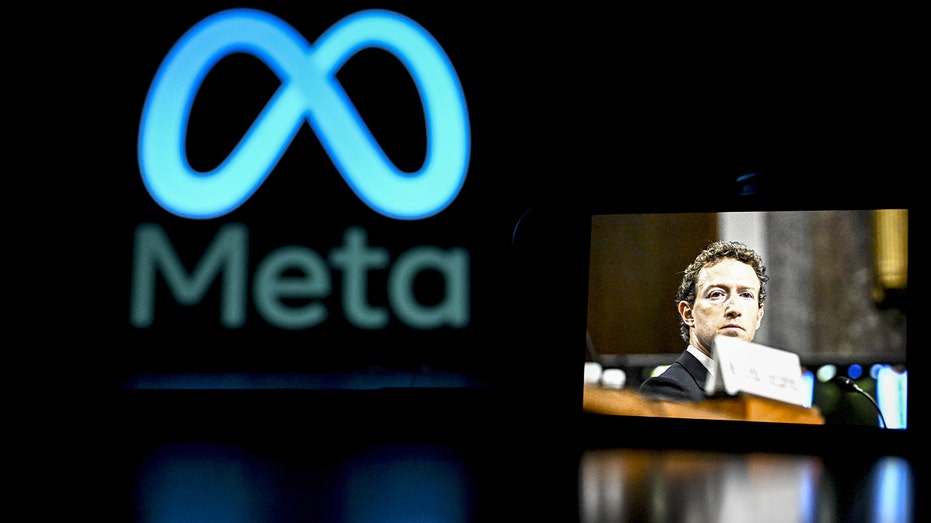
Meta said that it does not use AI when determining who to cut from its workforce.(Arda Kucukkaya/Anadolu via Getty Images / Getty Images)
The lawsuit further details that roughly half of the plaintiffs had taken leave for caregiving or pregnancy-related reasons. Specifically, eight employees are women who had taken maternity or pregnancy-related leave, four are men who had taken parental leave, and one is a woman who had taken leave to care for a family member and later bereavement leave. The plaintiffs argue convincingly that Meta’s “algorithmically assisted selection process, by systematically recording such absences as reduced performance, falls more heavily on women than on men” because women disproportionately take pregnancy and caregiving leave. This demographic breakdown strengthens the discrimination claims and adds a significant social equity dimension to the legal challenge, which could resonate deeply with investors concerned with Environmental, Social, and Governance (ESG) factors. A negative outcome could lead to a downgrade in Meta’s ESG ratings, potentially impacting its appeal to a growing segment of institutional investors.
**GET FOX BUSINESS ON THE GO BY CLICKING HERE**
**Market Impact**
This lawsuit presents a multi-faceted challenge for Meta, potentially dampening the positive investor sentiment built on its “Year of Efficiency” narrative. In the short term, the uncertainty surrounding the legal battle, potential discovery revelations about Meta’s internal AI use, and the specter of injunctions could introduce volatility into META shares. Should the court grant the preliminary injunction, it would be a significant blow to Meta’s operational flexibility and management’s control over its workforce restructuring. Longer term, a finding against Meta could result in substantial financial penalties, significant legal costs, and a forced overhaul of its HR and AI governance practices, increasing operational expenses. More critically, it could severely damage Meta’s brand reputation, hindering its ability to attract top talent in a competitive tech landscape, especially for critical AI development roles. The case also carries broader implications for the tech sector, potentially accelerating regulatory actions on AI ethics and bias across all industries, forcing companies to invest more heavily in AI auditing and compliance, thus increasing development costs and potentially slowing the pace of AI integration into sensitive corporate functions like HR.