
U.S. Marines Enhance F-35 Ground Operations with Advanced Digital Interoperability and Communication Systems
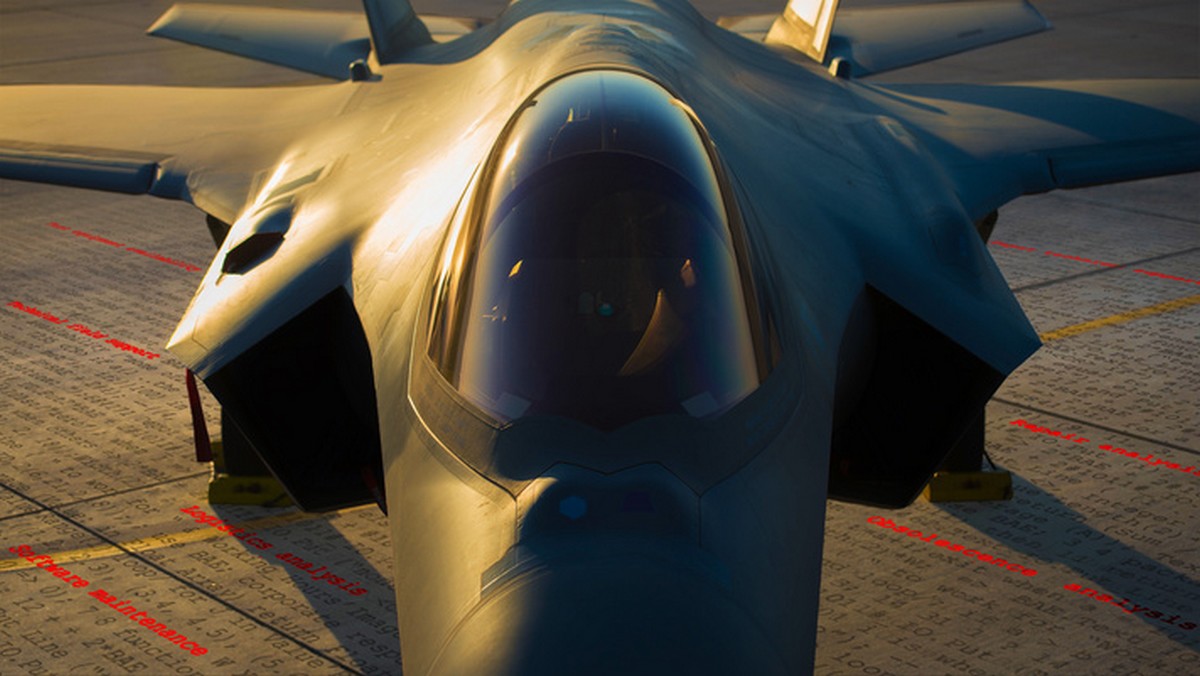
U.S. Marines from Marine Fighter Attack Squadron 251 (VMFA-251) recently demonstrated significant advancements in communication and digital interoperability for F-35 Lightning II and other fixed-wing aircraft ground operations. The demonstration took place on April 13 at Marine Corps Air Station Yuma, Arizona, as part of the Weapons and Tactics Instructors (WTI) course 2-26, hosted by Marine Aviation Weapons and Tactics Squadron One (MAWTS-1). These new capabilities are designed to streamline ground operations, reduce aircraft turnaround times, and enhance overall operational readiness.
At the core of these improvements is the Marine Corps’ Digital Interoperability (DI) kit. This comprehensive suite of hardware, software, and networked devices is engineered to bridge communication gaps, securely connecting Marines operating across various, often incompatible, military systems. Its primary function is to facilitate a cohesive flow of information, crucial for the complex environment of modern military aviation.
During the exercise, VMFA-251 personnel utilized specialized DI hardware to securely transmit Link 16 data directly to ground-based tablets. Link 16 is a military tactical data link network that provides real-time, secure, and jam-resistant exchange of tactical information. This data includes vital intelligence such as an aircraft’s precise position, its current fuel status, and critical mission parameters. For the first time in this specific configuration, this secure tactical data was extended directly to flight line crews. Traditionally, this information might have been relayed indirectly or accessed through more centralized command centers, creating potential delays and limiting situational awareness for personnel directly interacting with the aircraft.
Chief Warrant Officer 2 Jory D. Reed, an aviation ordnance officer with VMFA-251, explained the impetus behind these innovations. “A lot of this came from observing how Marines execute the mission and identifying where time and effort could be streamlined,” Reed stated. “The goal was to make those processes both more efficient and repeatable.” This direct access to real-time data allows ground crews to gain advance knowledge of an aircraft’s specific needs before it even lands, enabling them to prepare more accurately and rapidly for its arrival.
Chief Warrant Officer 2 Eladio Vega, an avionics officer with the squadron, was instrumental in leading the technical integration and translating these capabilities into practical operational procedures. He highlighted the consolidated nature of the DI kit: “The DI kit consolidates data from multiple communication systems onto a single platform allowing a cohesive flow of information between different military assets.” He further elaborated on the practical benefits: “Using the MAGTAB [Marine Air-Ground Task Force Tactical Assault Kit Tablet], Marines can view aircraft location, fuel states, and remaining ordnance in real time, giving ground crews advance knowledge of aircraft needs before landing, which is something we couldn’t do before.”
The immediate practical effect on turnaround operations was also emphasized by CWO2 Reed. “Now we can see what assets the aircraft has expended and what it will require before it even touches down. That gives us the ability to respond faster and more accurately, preparing exactly what’s needed ahead of time instead of moving excess ordnance and equipment once the aircraft arrives.” This capability drastically reduces the time an aircraft spends on the ground, making it available for its next mission sooner.
Beyond data sharing, VMFA-251 also evaluated a direct communication system that leverages the F-35’s Internal Communication System (ICS) cable. This innovation enables maintainers to communicate directly with pilots without requiring the pilots to exit the cockpit – a significant departure from previous standard practice. Reed elaborated on this improvement: “Previously, maintainers relied on relayed communication or were required to wait for pilots to shut down and disembark before troubleshooting could begin. The direct connection the F-35 Lightning II ICS cable provides immediate coordination; this allows ground crews to diagnose and resolve problems while keeping the aircraft operational.” This direct link accelerates troubleshooting and reduces downtime, ensuring aircraft readiness.
Further enhancing ground crew coordination, handheld radios were integrated to establish a shared frequency across multiple maintenance sections. This network now includes avionics (aircraft electronics), ordnance (weapons and munitions), airframes (aircraft structures), and maintenance control (overall maintenance oversight). This shared channel allows all relevant parties to receive aircraft status updates directly from pilots prior to take-off. CWO2 Vega explained the advantage: “This eliminates secondhand communication across the flight line and allows maintainers to respond immediately with the information they receive directly from the pilot. Now, instead of relying on a single point of contact, multiple maintenance sections can monitor the same frequency and receive information from the pilot in real time.” This direct and simultaneous communication minimizes miscommunication, speeds up pre-flight checks, and ensures all teams are synchronized.
These integrated communication and digital interoperability enhancements represent a forward step in modernizing Marine Corps aviation ground operations, aiming to create a more efficient, responsive, and data-driven flight line environment for the F-35 and other critical assets.
Why This Matters
The advancements demonstrated by VMFA-251 hold significant implications for military aviation, particularly in an era demanding rapid deployment and sustained operations. Firstly, these improvements directly enhance **operational readiness and combat effectiveness**. By significantly reducing aircraft turnaround times, F-35s can return to combat or training missions faster, increasing the sortie generation rate – the number of missions an aircraft can fly in a given period. In a conflict scenario, this speed can be a decisive factor, ensuring air superiority and providing crucial support to ground forces. More time in the air equates to greater combat power.
Secondly, these capabilities contribute to improved **logistics and resource management**. Real-time data on fuel, ordnance, and maintenance needs allows ground crews to precisely prepare for an aircraft’s arrival. This eliminates the inefficient practice of preparing for every contingency, reducing wasted effort, minimizing the movement of unnecessary equipment, and optimizing the use of valuable personnel and resources. This precision leads to more efficient use of supplies, equipment, and highly trained personnel, which is critical for sustained operations, especially in austere or forward operating environments where resources are limited.
Thirdly, the enhanced communication systems bolster **personnel safety and efficiency**. Direct communication between pilots and maintainers through the ICS cable and synchronized radio frequencies across maintenance sections reduce the potential for miscommunication, which can be a source of errors and safety hazards on a busy flight line. By streamlining information flow, ground crews can work more safely and effectively, resolving issues more quickly and minimizing exposure to hazardous conditions inherent in flight line operations. It also reduces the workload on individual personnel by providing information directly and simultaneously to all relevant parties.
Finally, these efforts align with the broader strategic objectives of the U.S. Marine Corps, particularly concepts like Expeditionary Advanced Base Operations (EABO) and Distributed Maritime Operations (DMO). These strategies envision small, mobile units operating from dispersed locations, often with limited infrastructure. In such environments, robust and secure digital interoperability, alongside efficient ground support, becomes paramount. The DI kit’s ability to connect disparate systems and provide real-time tactical data to ground elements is a foundational capability for operating effectively in a highly distributed and contested battlespace, ensuring that next-generation aircraft like the F-35 can maintain a high operational tempo even under challenging conditions.