
Jim Tobin, president and chief executive officer of the National Association of Home Builders, told Fox News Digital that he expects current inflation rates, tariffs and other economic pressure points impacting home buyers and builders to ease.
Key Takeaways:
- Total Cost of Ownership Gains Traction:In an era of elevated interest rates and persistent inflation, homebuyers are increasingly evaluating the long-term financial implications beyond the initial sticker price, with new construction often presenting a more cost-effective proposition over a decade.
- Energy Efficiency & Reduced Maintenance Drive Savings:Newer homes, built to modern codes with advanced insulation and efficient systems, significantly reduce utility bills and major repair expenditures, leading to average savings of over $25,000 in the first 10 years compared to older properties.
- Builder Incentives Enhance Affordability:Strategic incentives such as mortgage rate buydowns and price reductions offered by builders are crucial in bridging the affordability gap, effectively lowering monthly payments and making new homes more competitive against the backdrop of a tight existing home market.
Amidst a volatile housing market characterized by persistent affordability challenges and fluctuating interest rates, a newRealtor.com reportoffers a compelling argument for new construction. The analysis suggests that while a newly built home may carry a higher upfront price tag, buyers could realize significant long-term financial advantages, primarily through reduced maintenance requirements and superior energy efficiency. This finding resonates strongly in a market where every dollar counts, urging prospective homeowners to adopt a “total cost of ownership” perspective rather than fixating solely on the listing price.
The report’s findings arrive at a critical juncture for the U.S. housing market. High mortgage rates, coupled with an acute shortage of existing home inventory, have pushed affordability to multi-decade lows. As consumers grapple with these economic headwinds, the long-term financial viability of homeownership has become a dominant theme, influencing purchasing decisions and even political discourse ahead of significantelections.
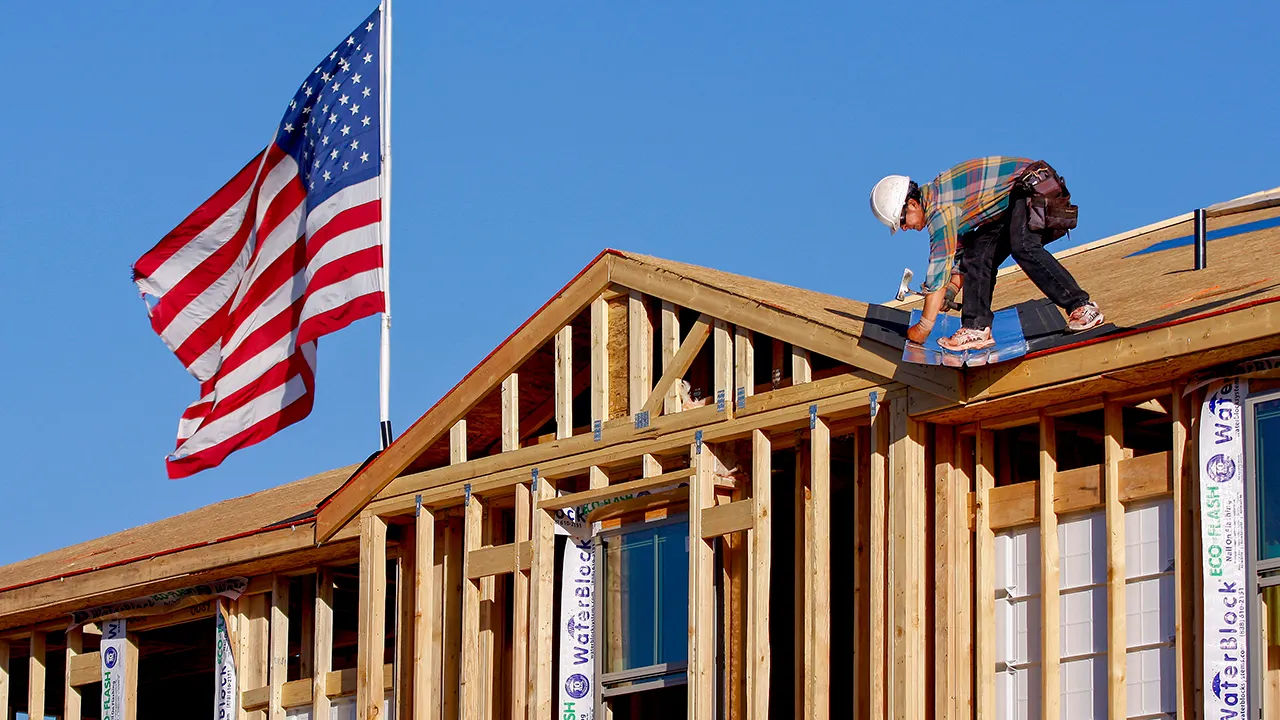
Newer homes often feature more efficient systems, better insulation and newer major components that can lower ownership costs.(David Paul Morris/Bloomberg/Getty Images / Getty Images)
According to Realtor.com, buyers of new-construction homes stand to save an average of $25,335 during the initial 10 years of ownership when compared to purchasing a 20-year-old home. These substantial savings are largely attributable to two critical factors: significantly lower utility bills and a marked reduction in spending on major repairs and replacements, encompassing costly components such as HVAC systems, roofs, and water heaters. This advantage is particularly pronounced in an inflationary environment where the cost of materials and skilled labor for home repairs continues to climb.
The study, which meticulously compared homes built in 2025 with those dating back to 2005, standardized for a typical home size of 1,750 square feet. Researchers underscored that modern building codes, advancements in insulation technology, and the integration of highly energy-efficient systems in new homes contribute directly to these operational cost benefits. This stark contrast highlights the evolving landscape of home construction, where sustainability and efficiency are increasingly paramount, offering tangible financial returns to the homeowner.
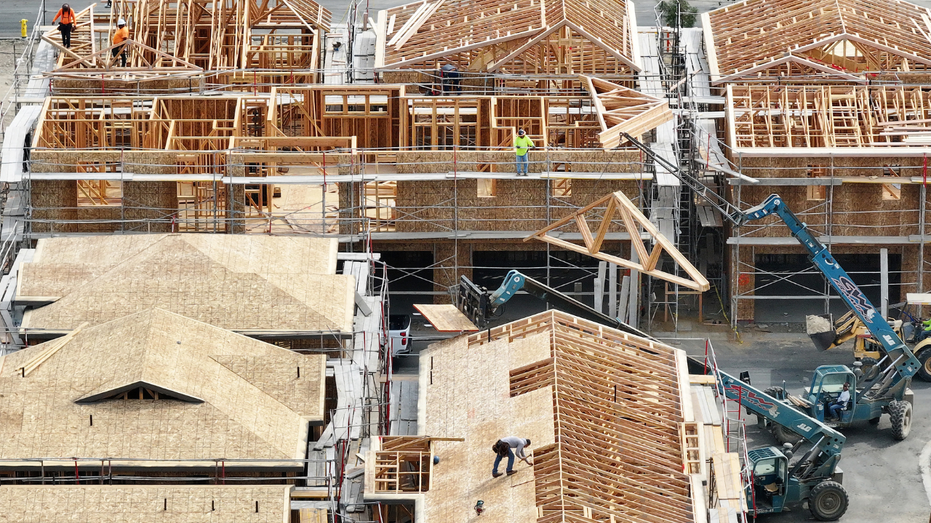
New-home buyers can save an average of $25,335 over 10 years through lower utility and repair costs, according to a Realtor.com report.(Mario Tama/Getty Images / Getty Images)
The geographical distribution of these savings reveals fascinating market dynamics. New England states, for instance, demonstrated the largest long-term savings, withMassachusettsleading the nation at nearly $39,000 over 10 years. Researchers attribute this to the region’s colder climates, which amplify the impact of energy-efficient features, coupled with stringent local energy codes that mandate higher standards for new builds. This regional disparity underscores how local climate conditions and regulatory environments can significantly alter the financial calculus for homebuyers.
Conversely, Southern states, includingArkansas, South Carolina, Kentucky, Florida, and Texas, showed comparatively smaller savings, despite often boasting lower upfront new-construction costs. Realtor.com noted that milder winters in these regions naturally reduce the potential energy savings derived from enhanced insulation and efficient heating systems. However, even in these markets, the absence of major repair costs for roofs or HVAC systems still offers a distinct advantage, a crucial factor in markets experiencing rapid population growth and increased demand for housing.
The report further identified 16 metro areas where the long-term operational savings effectively offset the initial premium often associated with new construction. These include diverse markets such as San Diego, Salt Lake City, Seaford, Delaware, Salem, Oregon, and Madison, Wisconsin. These findings provide critical data for buyers in specific regions, helping them make more informed decisions by considering the full financial lifecycle of their potential home.
The report found the financial benefits of new construction differed sharply by state, with the Northeast posting the strongest 10-year savings.(Joshua Lott/Bloomberg via Getty Images / Getty Images)
Beyond the inherent efficiencies of new builds, researchers also highlighted the significant role of builder incentives in enhancing affordability. In a challenging market where high mortgage rates have dampened buyer enthusiasm, homebuilders have strategically deployed tools like price cuts, cash credits, and particularly, mortgage-rate buydowns. These incentives serve as powerful levers to reduce the immediate financial burden on buyers, making new homes more competitive against the limited and often older inventory of existing homes.
CLICK HERE TO DOWNLOAD THE FOX NEWS APP
Realtor.com estimates that new-home buyers currently benefit from mortgage rates roughly one percentage point lower than those available for buyers ofexisting homes. This critical differential, largely a result of builder-funded rate buydowns, can translate into substantial savings, potentially exceeding $30,000 over a 10-year period. Such incentives are not merely a bonus; they represent a strategic market response by builders to stimulate demand and mitigate the impact of broader monetary policy on housing affordability. The findings collectively underscore a pivotal shift in the housing market, where operating costs and innovative financing solutions are becoming increasingly central to the overall affordability equation for American homebuyers.
Market Impact:
This comprehensive analysis has significant implications for the residential real estate market, impacting homebuyers, builders, and the trajectory of housing supply. For prospective buyers, the report reframes the decision-making process, urging a shift from simple list price comparisons to a more sophisticated “total cost of ownership” model. This could lead to increased demand for new construction, particularly in regions where energy efficiency and maintenance savings are most pronounced. For homebuilders, these findings validate their ongoing investments in sustainable building practices and strategic use of incentives, reinforcing the competitive edge of new homes in a supply-constrained market. As Jim Tobin of the NAHB suggests, easing inflation and tariffs could further improve builder margins and potentially allow for even more competitive pricing or enhanced features, thereby boosting housing starts. This shift could also exert subtle downward pressure on existing home prices, particularly older, less efficient properties, as buyers weigh the long-term cost benefits of new construction. Ultimately, a greater understanding of total cost of ownership could help stabilize the housing market by encouraging more measured purchasing decisions and promoting the development of more energy-efficient, resilient housing stock across the nation.