

New York GOP gubernatorial candidate Bruce Blakeman criticizes Gov. Kathy Hochul for ‘bailing out’ Mayor Zohran Mamdani on ‘The Bottom Line.’
Key Takeaways for Investors & Businesses:
- Significant Regional Economic Strain:The LIRR strike is projected to cost the New York regional economy up to $61 million daily, impacting productivity, retail sales, and the hospitality sector, particularly ahead of the critical Memorial Day travel period.
- Heightened Wage & Inflationary Pressures:This labor dispute highlights persistent post-pandemic wage demands and could signal broader inflationary pressures across public sector and service industries, potentially influencing investor expectations for corporate earnings and consumer spending.
- Public Transit Fiscal Challenges & Investment Risk:The strike underscores the ongoing financial fragility of major transit systems, raising concerns about future fare hikes, potential tax increases, and the stability of municipal bonds backing these essential services.
Thousands of Long Island Rail Road workers are officially on strike as of midnight Saturday, effectively shutting down the nation’s busiest commuter railroad in its first strike in more than three decades and threatening major economic disruption across the New York region ahead of Memorial Day travel. This unexpected labor action sends immediate ripples through the regional economy, impacting a vast ecosystem of businesses and financial markets reliant on the seamless movement of hundreds of thousands of daily commuters.
The strike halted service for roughly 300,000 daily riders after last-minute contract negotiations between the Metropolitan Transportation Authority (MTA) and a coalition of five rail unions failed to produce a wage agreement. The timing could not be worse, as businesses prepare for the unofficial start of summer, a period typically marked by increased consumer activity and travel. The immediate impact on productivity, retail foot traffic, and the broader service industry is expected to be significant.
The MTA confirmed Saturday that all LIRR service was suspended and warned there is “no substitute” for the railroad, urging commuters to work remotely if possible as officials brace for severe congestion and delays throughout the metropolitan region. For businesses, this translates to potential staffing shortages, delayed deliveries, and a downturn in walk-in customers, particularly for those located near transit hubs in Manhattan and other key employment centers.
New York State Comptroller Thomas DiNapoli’s office estimated the strike could cost the regional economy up to $61 million per day in lost economic activity. This figure, derived from lost wages, decreased retail sales, reduced business productivity, and stalled tourism, paints a stark picture for local GDP. Financial sector firms, which often rely on Long Island’s skilled workforce, face immediate operational challenges as employees struggle with unprecedented commutes or are forced to work remotely, potentially impacting efficiency and deal flow.
GEN Z IS SINGLE-HANDEDLY BRINGING AMERICA’S SHOPPING MALLS BACK TO LIFE
Long Island Rail Road (LIRR) workers picket outside of Penn Station in New York, US, on Saturday, May 16, 2026.(Victor J. Blue/Bloomberg via Getty Images / Getty Images)
The labor action marks the first Long Island Rail Road strike since 1994, a period with vastly different economic and labor market dynamics. Union leaders said workers involved in the coalition have gone more than three years without raises while negotiating a new labor agreement, a common refrain in a post-pandemic economy characterized by persistent inflation and a tight labor market where workers feel empowered to demand higher compensation.
“This strike would not have happened if the MTA and LIRR offered our members the reasonable terms the government recommended multiple times. But management refused,” Mark Wallace, president of the Brotherhood of Locomotive Engineers and Trainmen and the Teamsters Rail Conference, said in a statement. “We hope LIRR gets serious soon to avoid further unnecessary disruptions for hundreds of thousands of New Yorkers. They know where to find us when they’re ready: on the streets.” This stance reflects a broader national trend of increased union activity and demands for real wage growth that outpaces inflation, potentially setting a precedent for other public and private sector labor negotiations across the country.
NYC REAL ESTATE TITAN COMPARES ‘TAX THE RICH’ SLOGAN TO ‘DISGUSTING RACIAL SLURS’ AMID MAMDANI CLASH
MTA officials defended their bargaining position, arguing the unions were demanding wage increases that could ultimately drive up fares and strain the transit system’s finances. This echoes the fiscal challenges faced by many public transit authorities nationwide, grappling with reduced post-pandemic ridership, increased operational costs, and the delicate balance of public service versus financial solvency. Any significant wage increase here could necessitate fare hikes, which would directly impact consumer spending power and potentially deter ridership further, or require increased taxpayer subsidies, adding pressure to already strained state and city budgets.
MTA Chair and CEO Janno Lieber said the agency “cannot responsibly make a deal that implodes MTA’s budget” and warned taxpayers and riders could ultimately bear the cost of larger wage increases. This highlights the intricate connection between labor negotiations, public finance, and the everyday economic realities for millions of New Yorkers. A significant rise in MTA’s operational costs, if passed on through increased fares, could disproportionately affect lower-income commuters, impacting their disposable income and contributing to inflationary pressures on household budgets. If covered by taxes, it could lead to higher taxes for businesses and residents, potentially impacting the region’s competitiveness.
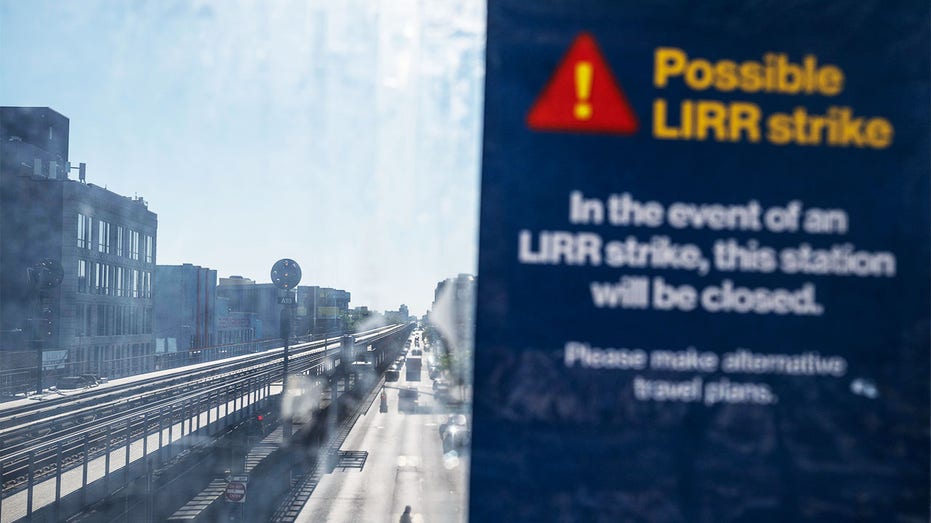
A sign displaying the suspension of Long Island Rail Road (LIRR) service due to a strike, at Nostrand Avenue station in the Brooklyn borough of New York, US, on Saturday, May 16, 2026. (Victor J. Blue/Bloomberg via Getty Images / Getty Images)
Lieber also accused union leaders of planning to strike regardless of the MTA’s offers, saying the latest proposal gave workers “everything they said they wanted in terms of pay.” Such accusations underscore the deep distrust that can derail negotiations, with significant economic consequences. The political dimension also weighs heavily, with various figures chiming in on the economic implications.
New York Gov. Kathy Hochul criticized the strike as “reckless,” warning it could hurt commuters, businesses and the broader regional economy. Hochul, who is seeking reelection later this year, said the unions’ demands could force fare hikes and higher taxes for Long Islanders. Her comments reflect the political tightrope walked by leaders during such disputes, balancing labor demands with fiscal responsibility and public perception, especially with elections on the horizon. The economic fallout of a prolonged strike could certainly impact voter sentiment.
President Donald Trump also weighed in on the dispute, blaming Hochul for allowing the strike to occur. “If you can’t solve it, let me know, and I’ll show you how to properly get things done,” Trump wrote on Truth Social. The politicization of labor disputes at this scale often complicates resolution, as both sides become entrenched, potentially extending the period of economic disruption.
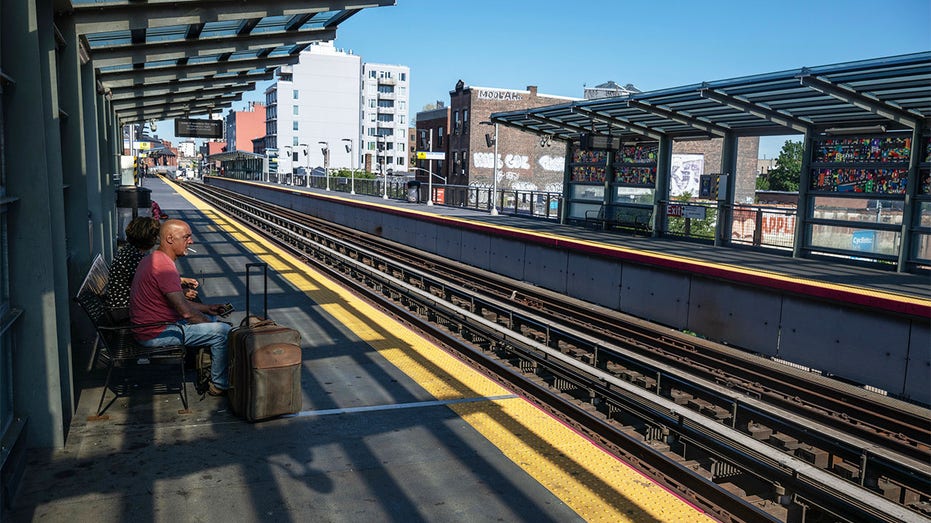
A commuter sits at the Long Island Rail Road (LIRR) station at Nostrand Avenue in the Brooklyn borough of New York, US, on Saturday, May 16, 2026. (Victor J. Blue/Bloomberg via Getty Images / Getty Images)
The standoff underscores growing pressure facing public transit systems nationwide as labor unions push for higher wages while transit agencies continue grappling with post-pandemic budget pressures and shifting commuting patterns. The rise of remote work has fundamentally altered ridership models, reducing farebox revenue for many agencies and forcing a reevaluation of their long-term financial viability. This LIRR strike could serve as a litmus test for how other major metropolitan transit systems and their unions will navigate similar upcoming contract negotiations, potentially setting a benchmark for future wage increases and operational cost structures across the sector.
CLICK HERE TO GET FOX BUSINESS ON THE GO
Transit officials have not indicated when negotiations could resume or how long the strike may continue as commuters across the New York area seek alternative transportation options. The longer the strike persists, the deeper the economic scars will be, potentially leading to lasting changes in commuting habits, business locations, and the overall economic landscape of the tri-state area.
Market Impact:
The LIRR strike’s immediate economic hit of $61 million per day is a significant drag on regional GDP, particularly impacting consumer discretionary spending and service-oriented businesses ahead of a major holiday weekend. For investors, this event injects uncertainty into the outlook for companies with significant operations or customer bases in the New York metropolitan area. Publicly traded retail and hospitality stocks with heavy NYC exposure could see short-term pressure. More broadly, the strike highlights ongoing inflationary risks driven by persistent labor demands, a factor that could influence the Federal Reserve’s monetary policy considerations if such wage pressures become more widespread. Furthermore, the fiscal health of the MTA, and by extension other major municipal transit systems, will be under scrutiny, potentially impacting the municipal bond market for transportation infrastructure. A protracted strike could also have a chilling effect on long-term real estate investment in Long Island communities that are highly dependent on rail access, prompting a reevaluation of suburban property values and development prospects.