
The tremors are still reverberating across English football. Thomas Tuchel, a manager renowned for his tactical rigidity and occasionally baffling selections, has once again thrown a seismic curveball, unveiling his 26-man England squad for the summer’s World Cup. And oh, what a squad it is – less a collection of the nation’s finest, more a defiant statement, a roll of the dice that has left fans, pundits, and arguably even some players, utterly bewildered.
The whispers had turned into a cacophony over the past 24 hours, but nothing quite prepares you for the official confirmation. England will embark on their quest for glory in the United States, Canada, and Mexico without the silky artistry of Phil Foden, the audacious brilliance of Cole Palmer, the commanding presence of Harry Maguire, or the burgeoning talent of Lewis Hall. These aren’t minor omissions; these are seismic shocks, leaving gaping holes in what many believed would be the backbone of a serious title challenge.
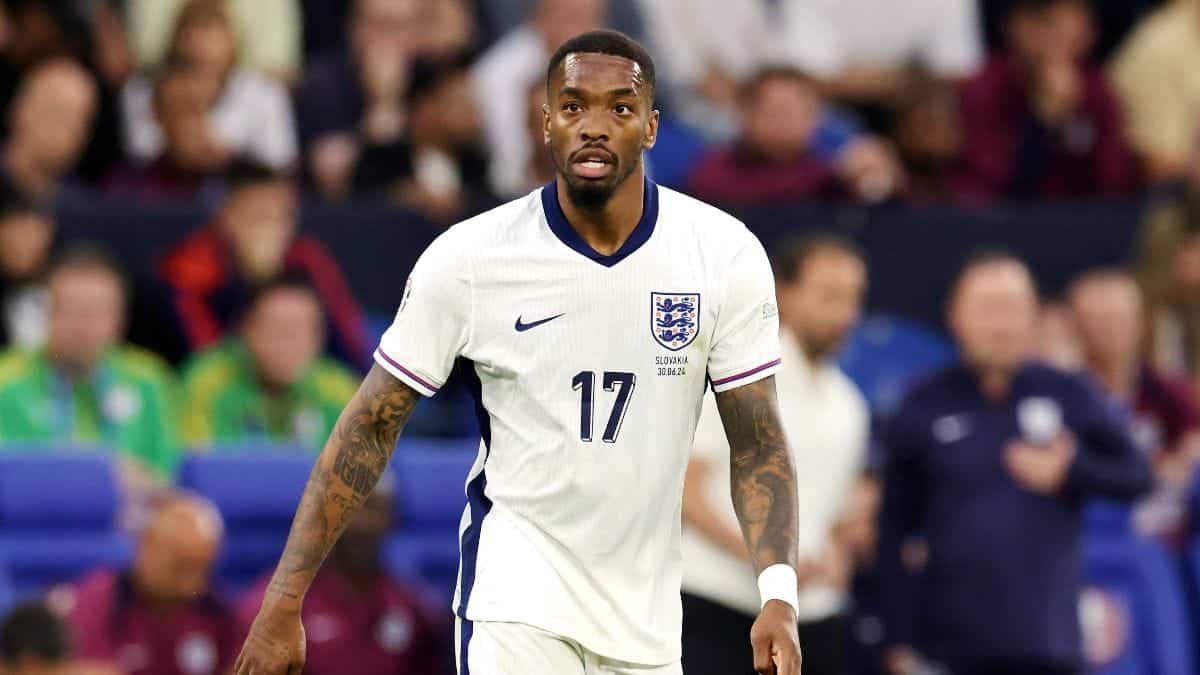
Yet, amidst the glaring absences, we find inclusions that raise more questions than answers. The 36-year-old Brentford midfielder Jordan Henderson, who will celebrate his birthday on the eve of England’s opener against Croatia, has somehow secured a spot. Dan Burn, whose season with Newcastle has been more defined by struggle than stellar performances, also makes the cut. Joining them are the enigmatic Djed Spence and the Saudi Pro League goal-machine Ivan Toney. It’s a squad that screams pragmatism, perhaps even desperation, over pure meritocracy.
The veteran pair, Henderson and Burn, appear to have been drafted in primarily for their perceived “dressing room influence” – a euphemism often used when on-field ability is no longer the primary driver. While leadership is invaluable, the World Cup stage demands peak physical and technical prowess. Burn, a centre-half by trade for Newcastle, is listed as cover for a problematic left-back position, where Manchester City’s Nico O’Reilly is the only regular. The other ‘alternatives’, Spence and Tino Livramento, are predominantly right-backs. This tactical patchwork at full-back feels less like strategic depth and more like a gamble with ill-fitting pieces.

The Midfield Minefield: Henderson, Mainoo, and the Wharton Conundrum
The midfield selections are equally baffling. Jordan Henderson, a player whose best years are undeniably behind him, is expected to compete for a defensive midfield berth alongside Arsenal’s Declan Rice, Nottingham Forest’s Elliot Anderson, and Manchester United’s Kobbie Mainoo. The omission of Adam Wharton, whose poise and passing range have consistently impressed, feels like a monumental oversight. Mainoo, despite his impressive performances since Michael Carrick took the reins at Old Trafford in January, is still a relatively raw talent. His inclusion, while exciting for the future, suggests Tuchel is leaning heavily on potential rather than established international pedigree in a crucial holding role.
The number 10 position, the creative engine of any modern side, has been subject to intense scrutiny. With the dynamic Foden, the inventive Palmer, and the effervescent Morgan Gibbs-White all cast aside, the mantle falls to Aston Villa’s Morgan Rogers, Real Madrid’s Jude Bellingham, and Arsenal’s Eberechi Eze. While Bellingham is a world-class talent, and Eze brings flair, Rogers’ inclusion over more established playmakers is a testament to Tuchel’s unique vision, or perhaps, a lack of faith in traditional No. 10s outside of his specific system.
Striking Options: A Tale of Two Forwards (and a Captain)
Up front, England captain Harry Kane remains the undisputed focal point, a guaranteed starter whose goal-scoring prowess is beyond question. However, the choices for his understudies are another head-scratcher. Ivan Toney, who has bagged 32 goals for Al-Ahli in the Saudi Pro League, earns a recall despite not featuring for his country since a brief cameo against Senegal last year. While his goal tally is impressive, the quality of opposition in the Saudi league pales in comparison to the Premier League. Ollie Watkins, returning after an impressive end to the season with Aston Villa, offers a different dimension with his pace and pressing. Yet, the question remains: do these two provide enough variation or reliable alternative goal threats should Kane falter or need rotation?
Tactical Blueprint & Potential Flashpoints
Tuchel’s squad selections paint a clear picture: a preference for defensive solidity, tactical discipline, and perhaps, a degree of physical presence over raw attacking creativity. Imagine the Three Lions facing their opening group stage challenge against Croatia. How does this reconfigured midfield, shorn of dynamic dribblers and incisive passers like Foden and Palmer, hope to unlock a stubborn defence or control the tempo against Luka Modric’s masterclass? The reliance on Declan Rice to not only shield the defence but also instigate attacks will be immense. The inclusion of two Hendersons (Sam in goal, Jordan in midfield) adds another layer of intrigue, though midfielder Jordan’s lack of pace could be brutally exposed against faster transitions.
The wide areas, where Saka, Madueke, Rashford, Gordon, and Eze are expected to operate, will be crucial. With no clear creative hub in the number 10 role, the onus falls on these wingers to provide the spark, create overloads, and deliver dangerous crosses. Burn’s potential deployment at left-back, while offering aerial prowess, raises concerns about his ability to track nimble wingers and contribute meaningfully in attack. We could see a pragmatic, counter-attacking system, designed to absorb pressure and hit teams on the break, relying heavily on Kane’s finishing and the individual brilliance of Bellingham and the wingers.
However, the lack of genuine depth in key creative and defensive positions presents significant flashpoints. Should Rice or Bellingham pick up an injury, the midfield balance could crumble. The absence of natural left-backs could force awkward tactical compromises, leaving the defence vulnerable. Tuchel is banking on his system, his ability to grind out results, and the collective spirit of a squad that, on paper, has more questions than answers.
England’s World Cup Squad Is:
Goalkeepers
Pickford (Everton), Henderson (Crystal Palace), Trafford (Manchester City)
Defenders
James (Chelsea), Livramento (Newcastle), Guehi (Manchester City), Konsa (Aston Villa), Stones (Manchester City), Quansah (Bayer Leverkusen), O’Reilly (Manchester City), Spence (Tottenham), Burn (Newcastle)
Midfielders
Rice (Arsenal), Anderson (Nottingham Forest), Bellingham (Real Madrid), Henderson (Brentford), Rogers (Aston Villa), Mainoo (Manchester United)
Forwards
Saka (Arsenal), Madueke (Arsenal), Rashford (Barcelona, on loan from Manchester United), Gordon (Newcastle), Eze (Arsenal), Kane (Bayern Munich), Toney (Al-Ahli), Watkins (Aston Villa)
Prediction
This squad, a clear reflection of Thomas Tuchel’s philosophy, will be a fascinating experiment. While the defensive pragmatism and the “dressing room influence” might foster a resilient spirit, the glaring lack of genuine, dynamic creativity and the controversial omissions of in-form players are a huge gamble. England will navigate the group stage with some expected bumps, possibly topping it. However, when faced with truly elite opposition in the knockout rounds, the tactical inflexibility and the absence of game-changing individual brilliance from the bench will be exposed. I predict England will ultimately crash out in the **Quarter-Finals**, unable to overcome a more balanced and offensively potent side, leaving fans to ponder what might have been with a different selection strategy.