
Check out what’s clicking on FoxBusiness.com.
**Key Takeaways:**
1. **Supply Chain Vulnerability:** The recall underscores the intricate and often fragile nature of modern food supply chains, where a single ingredient supplier’s lapse can trigger widespread financial and operational disruptions for multiple downstream entities.
2. **Brand & Financial Costs:** Champion Foods faces significant direct costs (logistics, refunds, legal fees) and indirect costs (reputational damage, lost future sales, diminished brand equity), while Costco manages return logistics and potential customer confidence impacts.
3. **Proactive Risk Mitigation:** Costco’s rapid, targeted customer notification, facilitated by its membership model, serves as a crucial risk management strategy, aiming to preserve consumer trust and minimize broader market fallout from the incident.
***
**Food Sector Rattled: Costco-Sold Cheese Bread Recall Highlights Supply Chain Fragility and Reputational Risk**
A recent product recall involving a popular frozen cheese bread sold at Costco is sending ripples through the food manufacturing and retail sectors, serving as a stark reminder of the financial vulnerabilities inherent in complex global supply chains. Champion Foods LLC, the producer of Motor City Pizza Co. 5 Cheese Bread, has initiated a voluntary recall due to concerns over potential *Salmonella* contamination, stemming from an ingredient supplier’s milk powder. This incident not only poses immediate logistical and financial challenges for the involved companies but also reignites discussions around supply chain diligence, brand equity protection, and regulatory oversight in the food industry.
Champion Foods LLC announced the voluntary recall of specific batches of its Motor City Pizza Co. 5 Cheese Bread after being notified by a critical upstream partner: an ingredient supplier that had recalled its milk powder due to a potential *Salmonella* risk. The affected milk powder was subsequently supplied to a third-party manufacturer responsible for creating a seasoning blend used in the product’s five-cheese sauce mixture. This multi-tiered dependency highlights the complex web of relationships that define modern food production, where the integrity of a final product hinges on the quality controls of numerous, often unseen, contributors.
Costco, known for its bulk sales model and robust customer data, acted swiftly. The wholesale giant leveraged its membership records to directly notify customers who purchased the affected Motor City Pizza Co. 5 Cheese Bread between February 6 and May 29. This proactive communication, a hallmark of effective crisis management in retail, advises customers to cease consumption immediately and return the product to any local Costco warehouse for a full refund. While facilitating returns adds operational overhead for Costco, this direct outreach strategy is crucial for mitigating potential health risks, preserving consumer trust, and protecting the retailer’s invaluable brand equity, which is a significant component of its market valuation.
The financial ramifications for Champion Foods LLC could be substantial. Beyond the immediate costs associated with managing the recall – including retrieval logistics, disposal of inventory, processing refunds, and potential legal fees if illnesses were to occur – there is the intangible, yet significant, cost to brand reputation. In a competitive market, a *Salmonella* scare can erode consumer confidence, leading to diminished sales not only for the recalled product but potentially across Champion Foods’ entire portfolio. Investors and potential business partners will closely scrutinize the company’s response and its long-term strategy for supply chain risk mitigation.
Champion Foods LLC announced a voluntary recall of its Motor City Pizza Co. 5 Cheese Bread, which is sold at Costco, over potential salmonella concerns.(Champion Foods / Unknown)
The recall affects both single-pack and two-pack versions of the popular frozen bread product, broadening the scope of the logistical challenge. The single-pack product carries UPC code 8 70375 00511 1 with sell-by dates ranging from February 4, 2027, through April 21, 2027. The two-pack product, identified by UPC code 8 70375 00509 8, includes sell-by dates of February 3, 2027; February 4, 2027; February 24, 2027; February 25, 2027; March 10, 2027; March 11, 2027; March 18, 2027; and March 25, 2027. These specific identifiers are critical for efficient inventory management and recall execution, preventing further compromised products from reaching consumers.
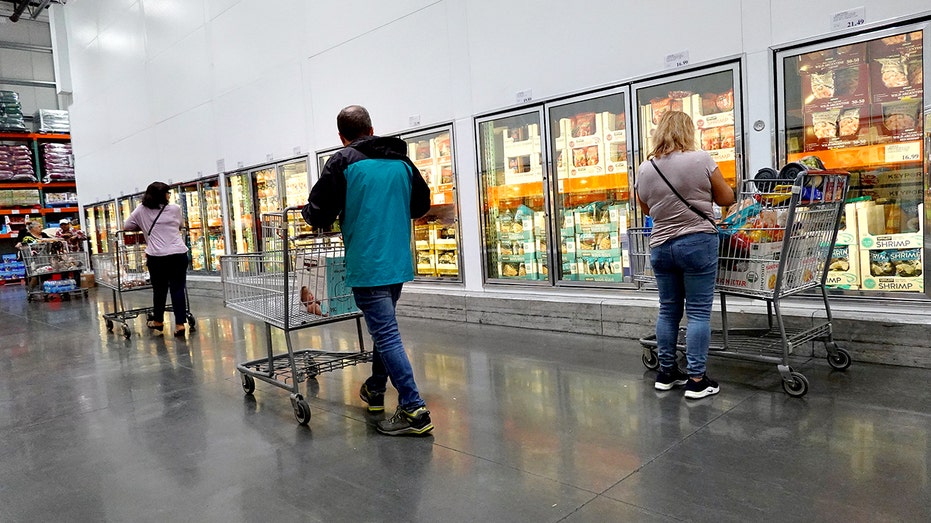
Costco sent a letter to members about the recalled product.(Joe Raedle/Getty Images / Getty Images)
Champion Foods stated that routine testing by the seasoning blend manufacturer had initially shown negative results for *Salmonella* before the ingredient was incorporated into production. However, the company made the decision to issue the recall “out of an abundance of caution” for customer safety. This decision, while ethically sound, carries significant financial weight. It demonstrates a commitment to consumer welfare that, in the long run, can help rebuild and maintain trust, but it also underscores the limitations of even rigorous testing protocols when faced with systemic issues within the broader supply chain. The cost of such proactive recalls, while substantial, is generally viewed as an investment against potentially higher costs associated with widespread illness, lawsuits, and severe brand erosion.
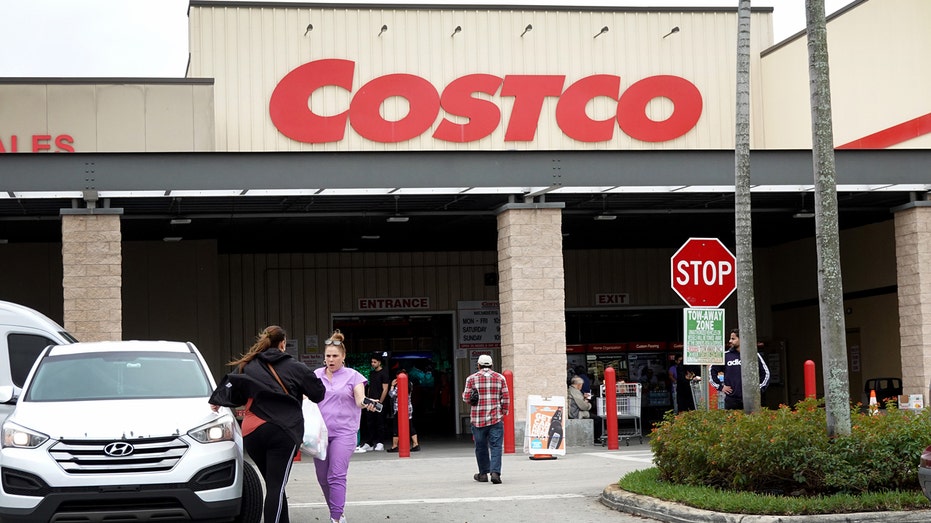
Costco urged consumers who purchased one of the recalled products to not eat it and return it to Costco for a refund.(Joe Raedle/Getty Images / Getty Images)
The fact that no illnesses or injuries related to the recalled products have been reported, as confirmed by Costco’s notice, offers a small reprieve. However, the potential health implications of *Salmonella* contamination are severe, ranging from fever, diarrhea, nausea, vomiting, and abdominal pain in healthy individuals, to potentially fatal infections in vulnerable populations like young children, the elderly, or those with compromised immune systems. In rare but serious cases, *Salmonella* can lead to systemic infections affecting arteries, the heart (endocarditis), or joints (arthritis). This severity amplifies the financial and legal liabilities food companies face, making comprehensive quality control and swift recall protocols imperative for public health and corporate solvency.
This incident is likely to prompt heightened scrutiny from regulatory bodies such as the U.S. Food and Drug Administration (FDA) and trigger internal reviews across the food manufacturing sector. Companies may face pressure to enhance their supplier vetting processes, implement more frequent and comprehensive ingredient testing, and invest in advanced traceability technologies. These measures, while adding to operational costs, are becoming non-negotiable in an era of increasingly complex supply chains and heightened consumer expectations for food safety. The broader market implications extend to increased demand for food safety auditing services, potentially higher insurance premiums for food producers, and a renewed focus on supply chain resilience strategies among institutional investors.
**Market Impact:**
This recall serves as a critical stress test for supply chain resilience and brand management within the consumer staples sector. For Champion Foods, the immediate impact includes significant operational expenditures related to the recall itself, coupled with an inevitable hit to short-term sales and potentially long-term brand perception. While Costco’s proactive notification strategy mitigates some reputational risk, it still incurs logistical costs and faces potential, albeit minor, disruptions to sales in the frozen food aisle. The broader market may see investors reassess risk profiles for food manufacturers heavily reliant on multi-tiered, global supply chains, potentially favoring companies with more integrated or domestically sourced ingredient streams. Furthermore, this incident could accelerate industry-wide adoption of advanced food safety technologies and more stringent supplier qualification processes, ultimately increasing compliance costs across the sector but also enhancing consumer confidence in the long run.
DELI MEAT, CUCUMBERS TOP LIST OF ‘REALLY RISKY FOODS’ YOU MIGHT HAVE IN THE FRIDGE
5 OF THE TOP SOURCES OF FOODBORNE ILLNESS AND HOW TO PREVENT IT
GET FOX BUSINESS ON THE GO BY CLICKING HERE
FOX Business’ Bonny Chu contributed to this report.