

‘Mornings with Maria’ panel assesses yields and previews Q1 earnings for Nvidia and retailers.
Key Takeaways
1. Retail Sector Headwinds Persist:West Marine’s Chapter 11 filing and significant store closures underscore the ongoing challenges for specialized brick-and-mortar retailers, particularly those reliant on discretionary consumer spending, amidst inflationary pressures, rising interest rates, and evolving consumer habits.
2. Post-Pandemic Normalization & Economic Strain:The company’s struggles highlight a normalization from the pandemic-era boom in outdoor activities, now compounded by supply chain disruptions, extreme weather events, and a general tightening of household budgets, impacting big-ticket and accessory purchases.
3. Strategic Restructuring Amidst Market Volatility:West Marine’s expedited bankruptcy plan aims to shed debt and optimize operations, reflecting a broader trend of companies utilizing Chapter 11 to adapt to a volatile market landscape and reposition for long-term viability, often at the cost of physical footprint reduction and investor dilution.
Fort Lauderdale, FL –The retail sector continues to navigate a turbulent economic sea, a sentiment echoed by recent discussions on financial programs like ‘Mornings with Maria’ assessing market yields and the impending Q1 earnings season for bellwethers like Nvidia and a host of retailers. Against this backdrop, West Marine, a venerable name in boating and fishing supplies, has officially initiated Chapter 11 bankruptcy proceedings, announcing plans to shutter 59 of its retail locations across 23 states.
The Fort Lauderdale, Florida-based retailer, which once boasted over 200 stores across 34 states and Puerto Rico, filed for bankruptcy protection last month. This move signals a significant restructuring aimed at recalibrating its capital structure and operational footprint in response to a confluence of severe market headwinds. The proposed closures represent nearly 30% of its total store count, a stark indicator of the deep challenges facing specialized retailers in the current economic climate.
The exterior of a West Marine store in Woburn, Massachusetts.(Getty Images)
MAJOR CARL’S JR OPERATOR REPORTEDLY SET TO SHUTTER, SELL DOZENS OF CALIFORNIA LOCATIONS
“After productive discussions with key advisors, we’ve reached an agreement to pursue a strategic reorganization that will address our capital structure while maximizing value for all our stakeholders,” West Marine said in a statement announcing the move. This strategic maneuver is a familiar narrative in today’s retail landscape, where companies are increasingly forced to shed unprofitable assets and debt to survive.
The company explicitly cited several macroeconomic factors contributing to its financial difficulties: persistent supply chain disruptions, increasingly frequent extreme weather events, and fundamental shifts inconsumer behavior. From a financial perspective, these aren’t isolated incidents but rather systemic pressures impacting profitability and cash flow. Supply chain issues, exacerbated by geopolitical tensions and lingering pandemic effects, have led to inventory gluts or shortages, inflated logistics costs, and unpredictable product availability – all detrimental to a retailer’s margins and customer satisfaction. For a niche market like marine supplies, the reliance on specialized components and international shipping can amplify these challenges.
DETROIT BANKRUPTCY CASE OFFICIALLY CLOSES MORE THAN 13 YEARS AFTER HISTORIC FILING
Changes in consumer behavior are particularly salient for a discretionary retail segment like boating and fishing. The pandemic initially spurred a boom in outdoor recreational activities, benefiting companies like West Marine. However, the subsequent return to normalcy, coupled with persistent inflation eroding purchasing power and rising interest rates impacting both consumer credit and big-ticket item financing (e.g., boat loans), has led to a significant pullback in discretionary spending. Consumers are prioritizing necessities, deferring non-essential purchases, and seeking value, often turning to online giants or discount retailers, further squeezing brick-and-mortar specialists.
West Marine’s restructuring plan aims to strengthen its balance sheet, significantly reduce debt levels, and enhance the firm’s financial flexibility. This is critical for future investment in e-commerce capabilities, store modernizations, and inventory management systems – areas where competitive advantage is increasingly won. The goal is to emerge as a leaner, more agile entity capable of adapting to the evolving retail paradigm.
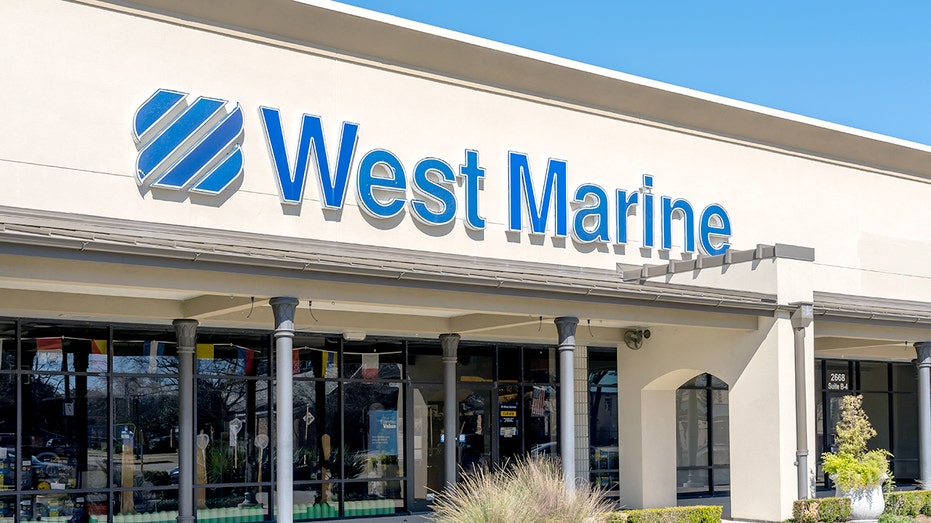
A West Marine store in Lafayette, Louisiana, in 2022.(Getty Images)
“West Marine has been a trusted partner to the boating community for decades. The actions we are taking today will allow us to optimize our operations so that we can continue to serve our customers and community well into the future,” West Marine CEO Paulee Day said in a statement. Optimizing operations, in this context, often means rightsizing the physical footprint to align with current market demand and leveraging technology to bridge the gap between in-store and online experiences.
SPIRIT AIRLINES LAWYER SAYS JET FUEL PRICE SURGE LEFT CARRIER WITH ‘NO REMAINING WAY OUT’ OF BANKRUPTCY
The company’s restructuring website indicates an ambitious, expedited timeline, targeting emergence from Chapter 11 by mid-August. An expedited process typically implies a pre-negotiated plan with creditors, aiming to minimize disruption and legal costs. However, it also signals the urgency with which the company needs to shed its liabilities and re-establish a viable business model. During this period, West Marine assures customers that day-to-day operations will largely continue unaffected, a common promise designed to retain customer loyalty and sales during a financially precarious time.
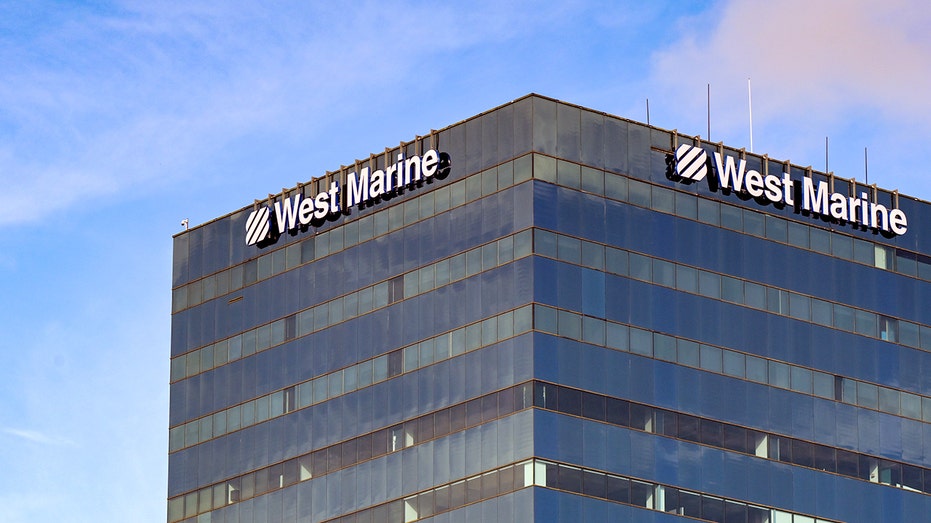
The West Marine headquarters building in Fort Lauderdale, Florida.(Getty Images)
The list of states impacted by store closures is extensive, touching major markets across the country: Alabama, California, Florida, Georgia, Illinois, Louisiana, Maine, Maryland, Massachusetts, Michigan, Missouri, Nevada, New Jersey, New York, North Carolina, Ohio, Oregon, Pennsylvania, South Carolina, Tennessee, Virginia, Washington and Wisconsin. This geographic spread underscores that the challenges West Marine faces are not localized but rather systemic, reflecting broad economic shifts impacting consumer spending patterns nationwide. The closure of these stores will undoubtedly have localized impacts on employment and commercial real estate, adding to the vacancies in strip malls and shopping centers already struggling with the changing retail landscape.
GET FOX BUSINESS ON THE GO BY CLICKING HERE
Market Impact
West Marine’s Chapter 11 filing serves as a potent barometer for the broader retail sector, particularly for specialized brick-and-mortar players catering to discretionary spending. For investors, this signals continued caution regarding companies heavily exposed to consumer cyclicality, especially those with significant physical footprints and legacy debt structures. The cascading effects extend to commercial real estate, where a wave of retail bankruptcies contributes to increasing vacancy rates and downward pressure on property values. Furthermore, the situation highlights a critical challenge for suppliers and vendors in the marine and outdoor recreation industries, who may face immediate payment uncertainties and a longer-term reassessment of their distribution channels. Ultimately, West Marine’s restructuring is a microcosm of the ongoing market rationalization, where adaptability, financial prudence, and a clear understanding of evolving consumer demands are paramount for survival and growth in an increasingly competitive and economically sensitive environment.