
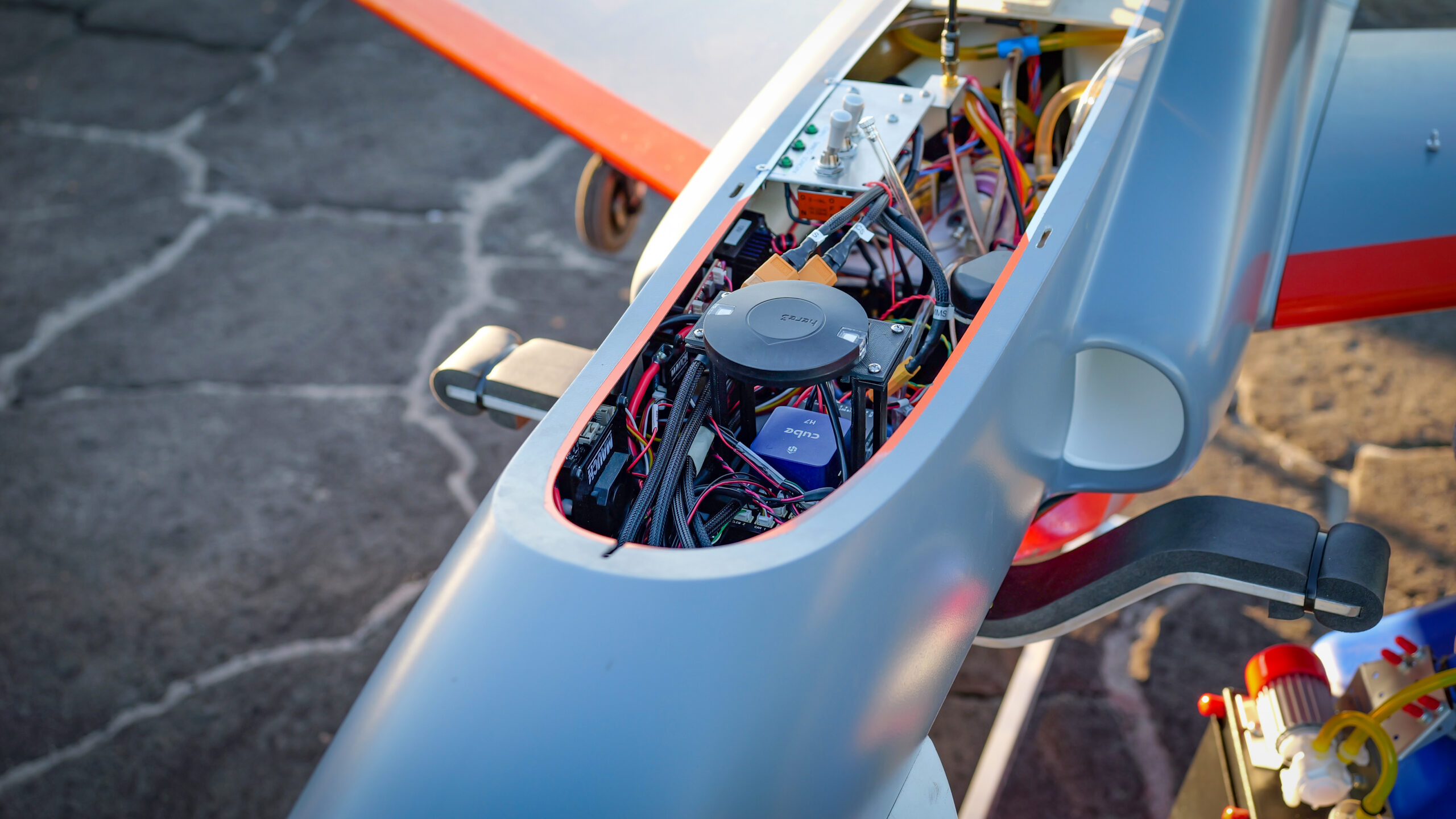
As artificial intelligence (AI) and autonomous systems increasingly reshape global conflict, the United States Congress is proposing significant organizational and policy reforms for the Pentagon. Recent legislative proposals from both the Senate and House Armed Services Committees aim to both accelerate the Department of Defense’s (DoD) adoption of these technologies and establish crucial safeguards for their use in warfare. These efforts signal a deep-seated interest and growing concern among lawmakers regarding the profound impact of AI on national security strategy and military operations.
The Senate Armed Services Committee (SASC) recently unveiled a summary of its proposed 2027 National Defense Authorization Act (NDAA), which includes a provision that would allow the Pentagon to establish a new combatant command specifically dedicated to unmanned and autonomous systems. This potential entity, dubbed the Robotic and Autonomous Systems Command (RASC), would mark the first new combatant command since the reestablishment of U.S. Space Command in 2019. Combatant commands are high-level military organizations responsible for a specific geographic region or functional mission, providing unified command and control over military forces.
According to congressional officials, the concept for RASC was partly inspired by recent international developments. Ukraine, for instance, established its Unmanned Systems Forces in 2024, followed by Russia initiating its own Unmanned Systems Forces in 2025. Both nations have increasingly relied on such systems in the ongoing conflict, highlighting their critical role in modern warfare. While the SASC’s proposal is permissive—meaning it would grant the Pentagon the option to create RASC rather than mandating it—the committee deliberated extensively on the optimal organizational structure.
The debate centered on whether a new combatant command was the most effective approach, as opposed to creating an entirely new military service or delegating responsibilities to existing services and commands. Ultimately, committee members concluded that a new combatant command, led by a four-star general or admiral, would provide the necessary authority and focus to rapidly acquire, integrate, and deploy autonomous systems, facilitating a comprehensive transition of the force. This approach is also informed by lessons learned from initiatives like the Pentagon’s “Replicator” program, which aims to field thousands of low-cost, disposable autonomous systems within a two-year timeframe. A dedicated command, lawmakers argue, would streamline the process of generating and delivering these advanced capabilities to combatant commanders globally, while also providing essential guardrails for their development and use, including authorities for testing, evaluation, and limited direct acquisition from the marketplace.
Parallel to the Senate’s initiatives, the House Armed Services Committee (HASC) also passed its version of the NDAA, featuring its own set of provisions related to AI and autonomous systems. A key amendment from the House seeks to update the Pentagon’s policy governing the use of autonomous systems and AI. This update would specifically address “artificial intelligence-enabled systems intended to support, recommend, or materially influence operational decisions associated with the employment of force, including systems used for operational planning, target development, weaponeering, or engagement recommendation.” This highlights a congressional focus on the decision-making chain and the level of autonomy granted to AI in critical military functions.
Both the House and Senate committees have also expressed a shared desire for increased oversight and accountability concerning AI incidents. The HASC version proposes establishing an AI incident and vulnerability reporting system. Bryan Clark, a senior fellow at the Hudson Institute, described this House amendment as particularly “disruptive,” suggesting it is a direct response to recent controversies. He linked it to the Pentagon’s dispute with Anthropic, an AI company that reportedly pushed back against the military’s insistence on using its AI tools for “all lawful purposes,” seeking to restrict their application in autonomous weapons systems. Clark suggests this proposed reporting system is an effort to legally compel DoD leadership to report to Congress when AI models operate outside established legal parameters, thereby increasing transparency and accountability over an area the Pentagon has historically preferred to manage internally.
Furthermore, the SASC summary includes a provision for a mandatory review process for both autonomous systems and AI. This review would specifically address “human judgment, validation and testing requirements, prohibited uses, and a centralized incident reporting repository.” This demonstrates a bipartisan congressional push to ensure that human oversight remains paramount in the deployment of AI-enabled weapons systems.
Expert opinions underscore these legislative efforts. Retired Air Force Lt. Gen. Jack Shanahan, the inaugural director of the DoD’s Joint Artificial Intelligence Center, stressed the critical importance of maintaining human control. Speaking at a Center for a New American Security conference, Shanahan asserted that “a human must remain the final decider” regardless of how AI agents are utilized. Both Shanahan and Paul Scharre, CNAS executive vice president and author of “Four Battlegrounds: Power in the Age of Artificial Intelligence,” advocated for establishing laws to govern AI use, rather than solely relying on internal DoD policies. Shanahan emphasized that while the military traditionally prefers internal management, a legislative framework is essential for effective, high-level oversight of AI. Scharre added that such laws should provide a general framework, avoiding overly constraining regulations that could hinder the Pentagon’s ability to adapt to rapidly evolving technology.
While these proposals represent significant steps, they are far from becoming law. Both the full Senate and House must pass their respective NDAA bills, and then a conference committee will need to reconcile any differences between the two versions. The final, consolidated bill must then be passed by both chambers and signed by the President. Nevertheless, these parallel initiatives from both congressional committees underscore a unified and pressing concern to responsibly integrate AI and autonomous systems into the United States military, balancing the imperative for technological superiority with the ethical and operational complexities inherent in these rapidly advancing capabilities.
Why This Matters
The legislative proposals by the U.S. Congress regarding artificial intelligence and autonomous systems in defense carry profound implications, not just for the Pentagon but for global security, technological development, and the future of warfare. These initiatives reflect an urgent recognition that AI is no longer a futuristic concept but a present-day reality profoundly reshaping military capabilities and international power dynamics.
Firstly, the potential creation of a Robotic and Autonomous Systems Command (RASC) signals a fundamental shift in military organization. Establishing a dedicated combatant command for these technologies elevates their strategic importance to the same level as geographic regions (like European or Indo-Pacific Commands) or critical functions (like Space or Cyber Commands). This move would streamline research, development, acquisition, and deployment of autonomous systems, potentially accelerating the U.S. military’s integration of cutting-edge AI. This is a direct response to the evolving global arms race, where adversaries and competitors are also investing heavily in AI-enabled warfare, as evidenced by Ukraine and Russia’s dedicated unmanned systems forces. A more agile and focused command could be key to maintaining a technological edge, but also raises questions about the scope and authority of such a command in an era of rapid technological change.
Secondly, the emphasis on establishing policy, review processes, and incident reporting mechanisms for AI and autonomous weapons systems highlights a critical global debate: the ethics of autonomous warfare. The proposals to mandate human judgment, validate testing requirements, and define prohibited uses directly address concerns about “killer robots” and the potential for machines to make life-and-death decisions without human intervention. The push for legal frameworks, as advocated by experts like Lt. Gen. Shanahan and Paul Scharre, underscores the international desire for clear rules of engagement in an AI-powered battlefield. How the U.S. codifies these principles could set precedents for other nations and influence discussions around international treaties or norms governing autonomous weapons. The dispute with Anthropic further illustrates the tension between military application and ethical AI development, signaling a growing need for clear guidelines for defense contractors.
Thirdly, these legislative efforts reflect a broader struggle for congressional oversight in an era of rapidly advancing technology. Lawmakers are seeking to ensure that the Pentagon’s adoption of AI is transparent, accountable, and aligned with democratic values. The proposed AI incident and vulnerability reporting system, in particular, suggests a desire to prevent the military from operating AI systems in ways that deviate from legal or ethical standards without external scrutiny. This tension between congressional oversight and the Pentagon’s operational autonomy is crucial for maintaining public trust and ensuring that advanced military technologies are developed and used responsibly.
Finally, the trajectory of these legislative proposals will significantly influence military doctrine, procurement, and defense spending for decades. Investment in AI and autonomous systems is not merely about new gadgets; it promises to fundamentally alter how wars are fought, from logistics and intelligence gathering to combat operations. The scale of this transformation means that decisions made today will have long-lasting economic impacts, driving innovation in the tech sector, creating new industries, and requiring substantial workforce retraining within the military. Ultimately, these legislative endeavors are a testament to the fact that artificial intelligence is not just a technological challenge but a strategic, ethical, and governance challenge that will define the next era of national and international security.