
UK Ministry of Defence Halts Meteor Missile Upgrade, Prioritises Next-Generation Capabilities
The United Kingdom’s Ministry of Defence (MOD) has confirmed it will not proceed with a planned mid-life upgrade for the Meteor air-to-air missile. Instead, investment will be redirected towards the Future Air Superiority Effectors (FASE) programme, signalling a strategic shift towards next-generation defence capabilities.
Minister for Defence Readiness and Industry, Luke Pollard, announced the decision, framing it as part of a broader strategy to transition from existing systems to their successors. “We’re not continuing with the midlife upgrade of the Meteor,” Minister Pollard stated, explaining that the department is “investing in the new capability,” FASE. He further elaborated on the MOD’s intention to “invest in next generation of capabilities faster than the previous generation of capabilities,” underscoring a commitment to accelerating the adoption of advanced defence technologies.
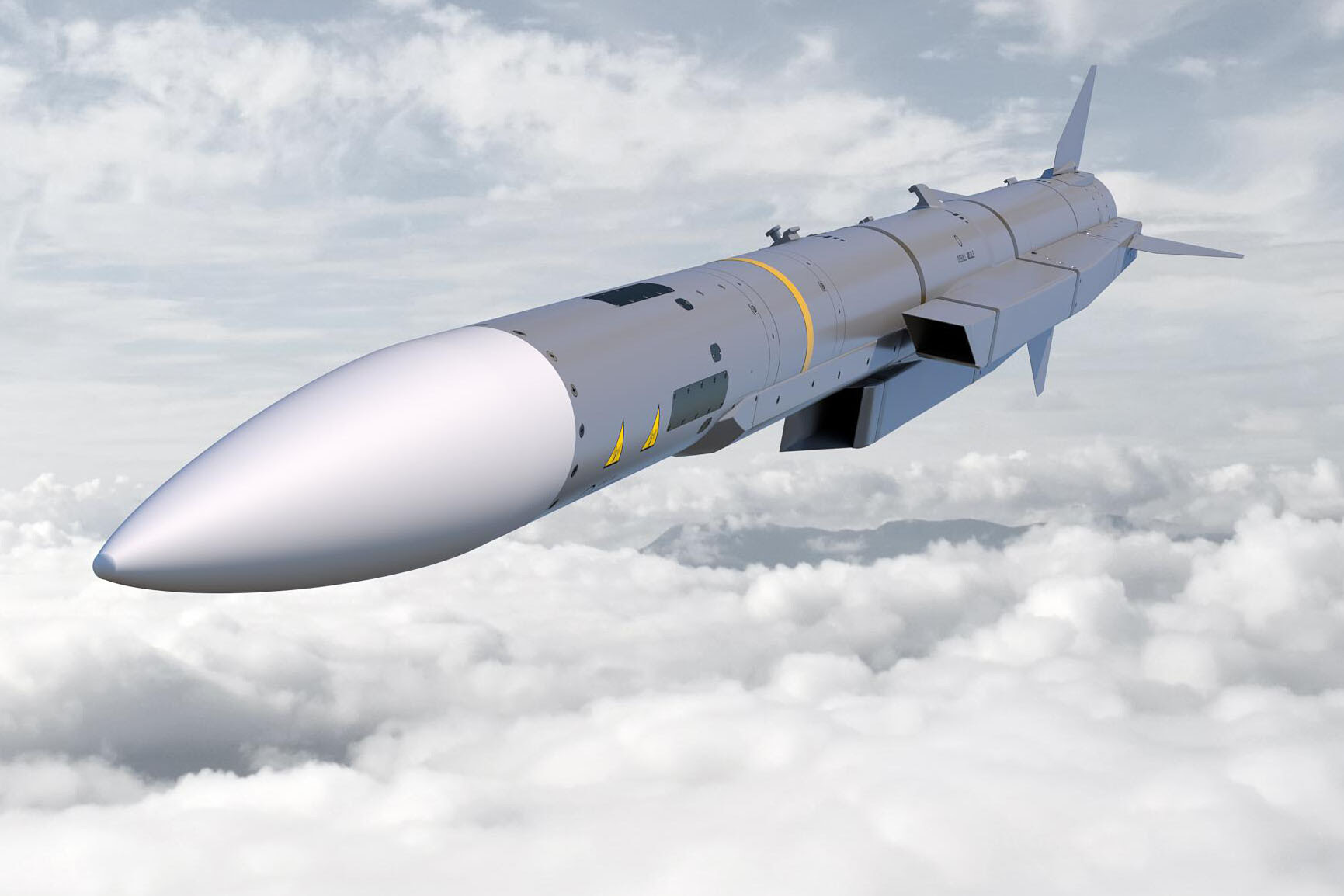
The Meteor missile, developed by MBDA, is a ramjet-powered beyond-visual-range air-to-air missile. It has been a key component of the Royal Air Force’s Typhoon fighter jets since 2018, with integration onto the F-35B Lightning II fighter aircraft planned under the eventual Block 4 upgrade. Renowned for its advanced propulsion system, the Meteor’s throttleable ducted rocket motor sustains thrust throughout an engagement, including the terminal phase. This capability provides the weapon with what MBDA describes as the largest no-escape zone of any missile in its class, offering pilots a significant advantage in air combat scenarios by increasing the probability of a successful intercept against highly manoeuvrable targets.
The FASE programme represents the UK’s ambition to deliver future air-to-air effectors capable of engaging a wide array of targets from multiple platforms. This includes not only future crewed aircraft but also emerging uncrewed systems, reflecting a growing emphasis on autonomous and remotely operated platforms in modern warfare. Last September, Minister Pollard informed Parliament that the FASE programme was in its pre-concept phase, with ongoing work to establish a detailed concept phase. This foundational work aims to define the operational requirements, technological pathways, and overall architecture for the next generation of air superiority weapons.
This decision aligns with a significant international collaboration between the UK and France. On April 1, the two nations signed a memorandum of understanding to conduct a 12-month joint study specifically focused on a Meteor successor. This study is a direct outcome of the Lancaster House 2.0 treaty, a framework for enhanced Anglo-French defence cooperation. The joint study will assess the evolving threat environment, identify potential candidate technologies for future air-to-air missiles, and establish a comprehensive development roadmap. Oversight for this critical initiative will be provided by a newly established joint Complex Weapons Portfolio Office, designed to streamline and coordinate bilateral efforts in advanced weapon systems development.
Minister Pollard drew a direct parallel between the Meteor decision and the approach taken with the Storm Shadow cruise missile. Similar to Meteor, the MOD has opted not to restart production of the existing Storm Shadow weapon, choosing instead to focus investment on its replacement. “Storm Shadow’s an incredible missile that has delivered exceptional service,” Pollard acknowledged, highlighting its proven effectiveness. However, he stressed the department’s need to “step up to bigger capabilities delivered by the next generation.” This commitment to future systems is evidenced by the Defence Investment Plan, which allocates £1.4 billion over the next four years to MBDA’s Stratus family of cruise and anti-ship missiles. This family is being developed in collaboration with France and Italy and is intended to serve as the successor to the highly successful Storm Shadow.
The decision regarding Meteor is part of a broader series of adjustments to the UK’s defence inventory and procurement strategy. These adjustments, outlined by Minister Pollard, include the planned withdrawal of the Shadow R1 surveillance aircraft, a decision not to proceed with the Skynet 6 narrowband satellite, and the retirement of 34 Wildcat battlefield reconnaissance helicopters starting from 2027. The reconnaissance roles previously performed by the Wildcat helicopters are expected to be increasingly taken over by uncrewed systems, reflecting a wider trend towards automation and remote operations in intelligence, surveillance, and reconnaissance (ISR). An MOD official noted during a briefing that a substantial portion of the munitions budget had previously been allocated to “high end complex munitions, very capable but low numbers.” The new plan, the official explained, aims to rebalance spending towards weapons that can be produced “quickly and at scale.” This includes restarting UK production lines for critical munitions such as the Common Anti-Air Modular Missile (CAMM), Advanced Short Range Air-to-Air Missile (ASRAAM), and the Stingray torpedo, alongside bolstering sovereign manufacturing capabilities for energetics and explosives, thereby enhancing supply chain resilience and industrial capacity.
Why This Matters
The UK Ministry of Defence’s decision to halt the Meteor missile upgrade and redirect investment into next-generation programmes signifies a profound strategic pivot with wide-ranging implications for national security, industrial policy, and international alliances. Firstly, it underscores a clear commitment to future-proofing the UK’s air combat capabilities. By prioritising the Future Air Superiority Effectors (FASE) programme, the MOD is betting on advanced, potentially disruptive technologies designed to counter emerging threats, rather than incrementally improving existing systems. This move indicates a recognition that future warfare will demand different types of weapons, potentially with greater range, multi-platform compatibility (including uncrewed systems), and enhanced adaptability.
Secondly, this decision has significant industrial repercussions. While it means a cessation of upgrade work on an established system, it simultaneously channels substantial investment into research, development, and production of new capabilities. This could stimulate innovation within the UK’s defence sector, particularly for companies like MBDA, and foster new high-tech jobs. The rebalancing of the munitions budget towards “quickly and at scale” production for systems like CAMM, ASRAAM, and Stingray, coupled with sovereign manufacturing of energetics, is crucial for improving the UK’s readiness and resilience. It addresses concerns about munitions stockpiles and supply chain vulnerabilities, ensuring that the armed forces have access to sufficient volumes of critical weapons in a timely manner, which has been highlighted as a key lesson from recent global conflicts.
Thirdly, the strong emphasis on international collaboration, particularly with France on the Meteor successor study and the Stratus programme, reinforces the importance of strategic partnerships in developing high-cost, complex weapon systems. Such joint ventures allow for burden-sharing, pooling of expertise, and economies of scale, vital for nations facing similar defence challenges and budget constraints. This bilateral cooperation, formalised through frameworks like Lancaster House 2.0, strengthens the UK’s defence diplomacy and its role in European security architecture.
Finally, the broader defence inventory adjustments, including the retirement of Shadow R1, Wildcat helicopters, and the decision regarding Skynet 6, reflect a comprehensive reassessment of defence priorities. The shift towards uncrewed systems for roles like reconnaissance indicates an embrace of automation and artificial intelligence to enhance operational effectiveness while potentially reducing risk to personnel. Taken together, these decisions illustrate a forward-looking defence strategy aimed at creating a more agile, technologically advanced, and sustainably resourced military capable of addressing the complex and evolving challenges of the 21st century security landscape.