
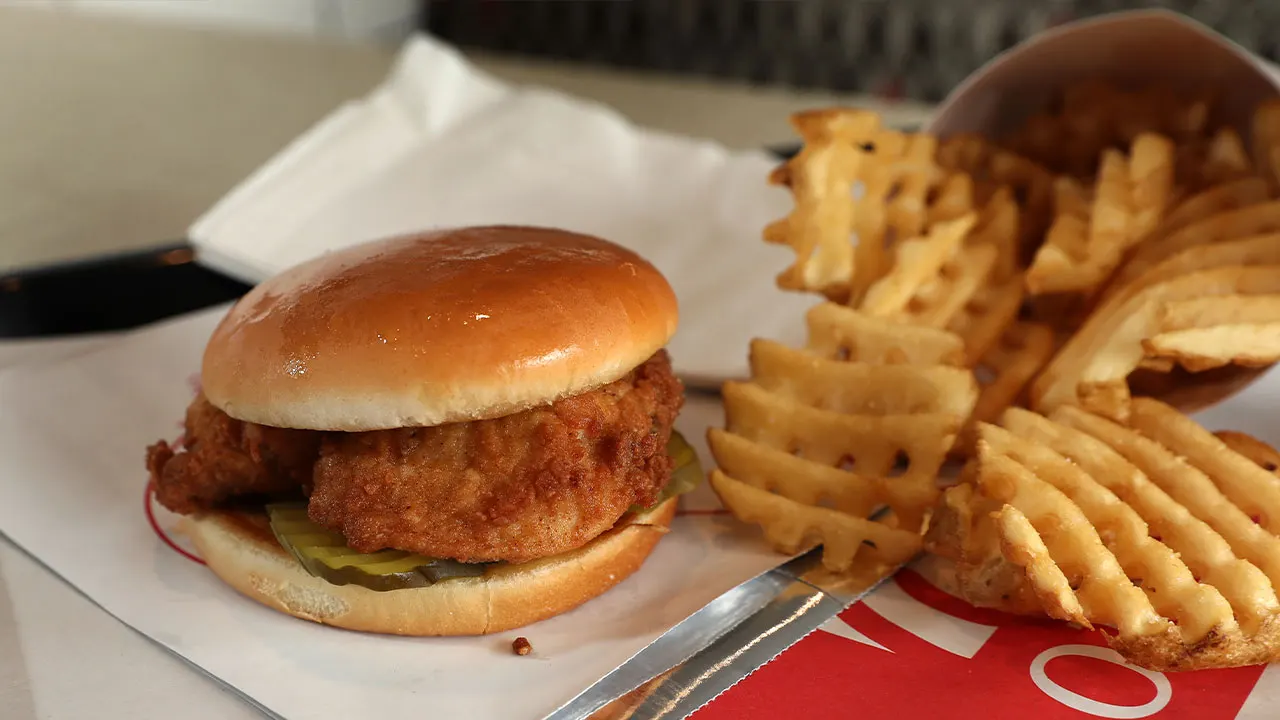
Check out what’s clicking on FoxBusiness.com.
Key Takeaways
- Consumer Ingenuity Amid Inflation: A viral “DIY sandwich hack” at Chick-fil-A highlights how consumers are actively seeking value and circumventing standard menu pricing amidst persistent food inflation, particularly in the “food away from home” category.
- QSR Pricing Under Scrutiny: The strategy underscores the growing consumer sensitivity to quick-service restaurant (QSR) pricing. While QSRs battle rising input costs, this hack reveals a segment of the market actively analyzing and challenging established menu structures, forcing a re-evaluation of perceived value.
- Social Media’s Market Influence: The rapid virality of such money-saving strategies via platforms like Instagram demonstrates social media’s potent role in disseminating consumer insights and potentially influencing purchasing patterns, prompting QSRs to be agile in their pricing and marketing responses.
In an era defined by persistent inflationary pressures and a heightened focus on household budgeting, a father’s ingenious “DIY sandwich hack” at Chick-fil-A has gone viral, offering a stark illustration of consumer resourcefulness in the face of rising costs. The strategy, which allows his family of five to dine for under $45, serves as more than just a clever trick; it’s a tangible symptom of a broader market trend where consumers are increasingly scrutinizing every purchase, particularly within the quick-service restaurant (QSR) sector.
Jeff Johnson, an Atlanta-based worship pastor and podcast host, recently shared his cost-saving method on Instagram, resonating deeply with social media followers grappling with affordability concerns. “I have a hack for every dad who’s always saying, ‘Why are we spending so much money at Chick-fil-A?'” Johnson declared in his June 26 video, articulating a sentiment shared by millions navigating elevated food prices.
His method is deceptively simple: instead of purchasing individual chicken sandwiches, which typically range from $5 to $6 each before sides, drinks, and tax, Johnson opts for bulk nuggets and inexpensive buns. He explained, “Instead of everybody ordering their fried chicken sandwich and their meal, here’s what we just did and what we have been doing, and y’all need to know about this.”
CHICK-FIL-A EXPANDS ITS ‘GHOST KITCHEN’ MODEL WITH NEW DELIVERY-ONLY STORE IN FLORIDA
A father revealed how his family of five is able to eat at Chick-fil-A for under $45. (David L. Ryan/The Boston Globe via Getty Images / Getty Images)
Specifically, Johnson detailed purchasing 30 nuggets for just over $17 and buttered buns at a mere 25 cents each. By assembling their own “sandwiches” – several nuggets tucked into a bun – families can drastically reduce their meal expenditure. Even with the addition of sides and drinks, this approach reportedly keeps the total bill for a family of five well under the $45 mark, a figure often exceeded by just a few individual combo meals.
“Everyone’s happy, dad’s happy. We have saved so much money. I’m just telling you, you can eat for under $45 at Chick-fil-A as a family of five if you do what I’m saying,” Johnson affirmed, underscoring the significant financial relief this strategy provides. This hack isn’t just about saving a few dollars; it’s about reclaiming a sense of control over discretionary spending in an economic climate where every dollar counts.
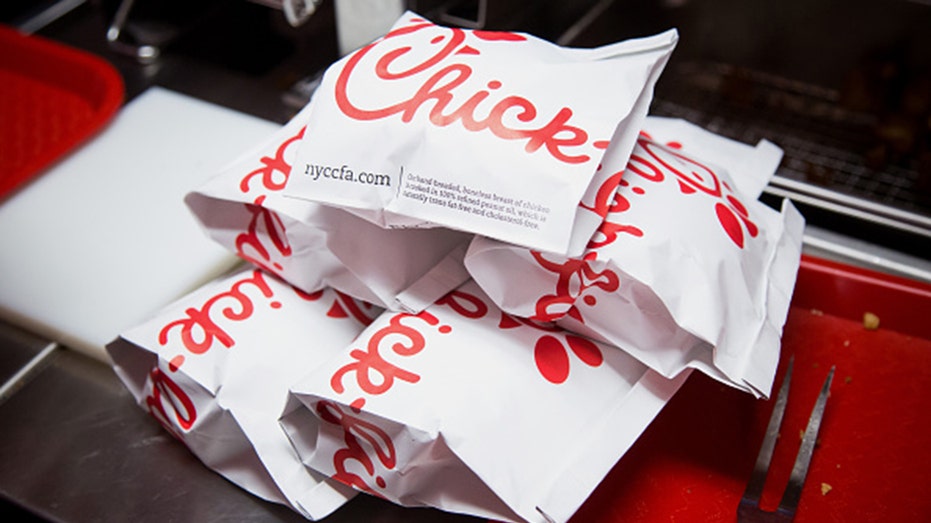
Jeff Johnson explained that he ordered 30 nuggets for around $17 and buttered buns for 25 cents each. (Michael Nagle/Bloomberg via Getty Images / Getty Images)
The Broader Economic Context: Inflation and Consumer Value
Johnson’s viral video arrives at a critical juncture for the food service industry. Food away from home inflation has remained stubbornly elevated, even as broader inflation metrics show signs of cooling. Supply chain disruptions, rising labor costs, and increased ingredient prices have compelled QSRs to raise menu prices across the board. While many brands have implemented incremental price adjustments to protect margins, consumers are feeling the cumulative effect, leading to a palpable shift in purchasing habits.
For quick-service chains like Chick-fil-A, which has cultivated a reputation for premium quality and service, maintaining perceived value is paramount. However, even strong brand loyalty can be tested when the price point for a family meal becomes prohibitive. Johnson’s hack exemplifies a growing trend of “trading down” or “unbundling” behaviors, where consumers actively seek to deconstruct traditional offerings to find more cost-effective alternatives. This behavior signals a market where price elasticity is becoming a dominant factor, even for beloved brands.
QSR Strategies and Market Dynamics
The QSR industry is highly competitive, and operators are constantly innovating to balance profitability with consumer affordability. We’ve seen various responses to inflationary pressures: from the introduction of more value-oriented menu items and loyalty programs to the expansion of ghost kitchens – a strategy Chick-fil-A itself is pursuing, as noted by its new delivery-only store in Florida. Ghost kitchens aim to optimize operational efficiency and reduce overheads, which can, in theory, help mitigate some of the cost pressures that lead to price increases.
However, consumer-driven hacks like Johnson’s pose a unique challenge. They bypass corporate pricing strategies and leverage existing menu structures in ways not originally intended. While individual instances may not significantly impact a company’s bottom line, the widespread adoption of such strategies could force QSRs to reconsider how they price individual components versus bundled meals. It highlights a potential disconnect between the perceived value of a pre-made sandwich and the sum of its parts, particularly when one part (the chicken patty) is disproportionately priced compared to its bulk equivalent (nuggets).
CHICK-FIL-A LAUNCHES FIRST EVER NON-CHICKEN KIDS MEAL NATIONWIDE
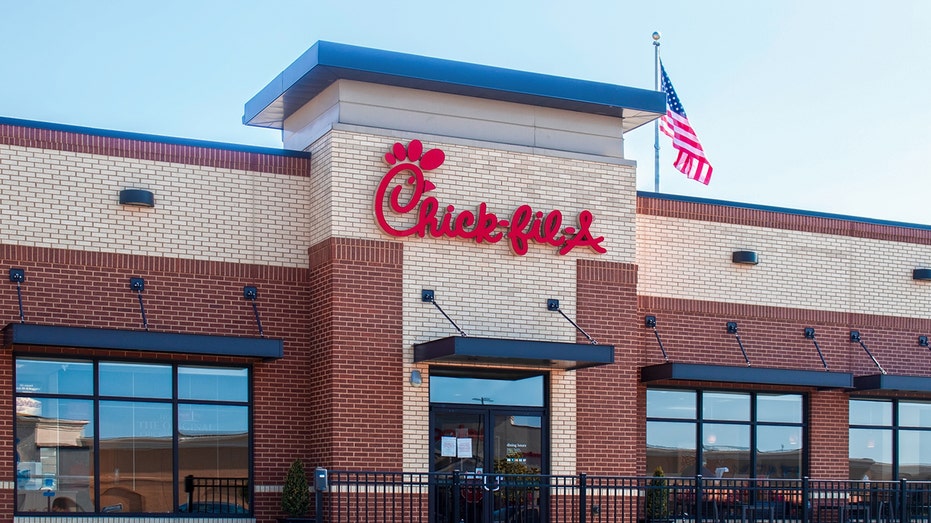
A classic chicken sandwich typically costs around $5 or $6. (iStock / iStock)
The resounding response on social media further amplifies the hack’s significance. Commenters expressed a mix of shock, appreciation, and humor. “Chick-fil-A is expensive. Good advice dude. Appreciate it,” one user wrote, directly acknowledging the cost burden. Another playfully commented, “Did not need to know about the 30 nuggets for $17 as a single person,” indicating a broader appeal for value. Some even jested about potential corporate reactions, “Let me know when you get a cease and desist letter from @chickfila,” reflecting an awareness of how such public “unbundling” might be viewed by brand strategists.
GET FOX BUSINESS ON THE GO BY CLICKING HERE
Market Impact
The viral Chick-fil-A “sandwich hack” is more than just an internet sensation; it’s a potent signal from the consumer market. It underscores the ongoing strain of food inflation on household budgets and the resulting imperative for value-seeking behavior. For the quick-service restaurant industry, this phenomenon highlights the critical need for transparent pricing, perceived value, and potentially, greater flexibility in menu design to accommodate evolving consumer demands. Companies may need to re-evaluate the pricing strategies for individual components versus bundled meals, especially for high-volume items like chicken nuggets, to preempt widespread “unbundling.” Moreover, the rapid dissemination of such hacks via social media means QSRs must be increasingly agile in monitoring consumer sentiment and adapting their offerings. Investors in the QSR sector should note this trend as an indicator of sustained consumer price sensitivity, which could impact revenue growth and margin stability if not effectively addressed through innovative menu strategies and operational efficiencies. The ability to offer genuine value, whether through traditional meals or creative customer solutions, will be a key differentiator in a market where consumers are savvier and more cost-conscious than ever.