
**Key Takeaways**
1. **Cost Reallocation Precedent:** Oregon’s new POWER Act, effective Wednesday, mandates a significant 29% electricity rate hike for data centers, shifting grid costs to large energy users while reducing rates for residential and most commercial customers. This sets a potential precedent for how states manage the escalating energy demands of the digital economy.
2. **AI-Driven Grid Strain:** The policy underscores growing national concerns over the massive power consumption of AI-powered data centers, which are increasingly straining aging electric grids and prompting regulatory responses to address capacity, infrastructure investment, and fair cost allocation.
3. **Regulatory Uncertainty & Investment Climate:** The Data Center Coalition’s appeal highlights industry apprehension regarding Oregon’s approach, warning of “market friction” and reduced competitiveness. Such regulatory divergence introduces uncertainty for data center operators’ operational expenditures (OPEX) and site selection strategies, potentially impacting future investment flows.
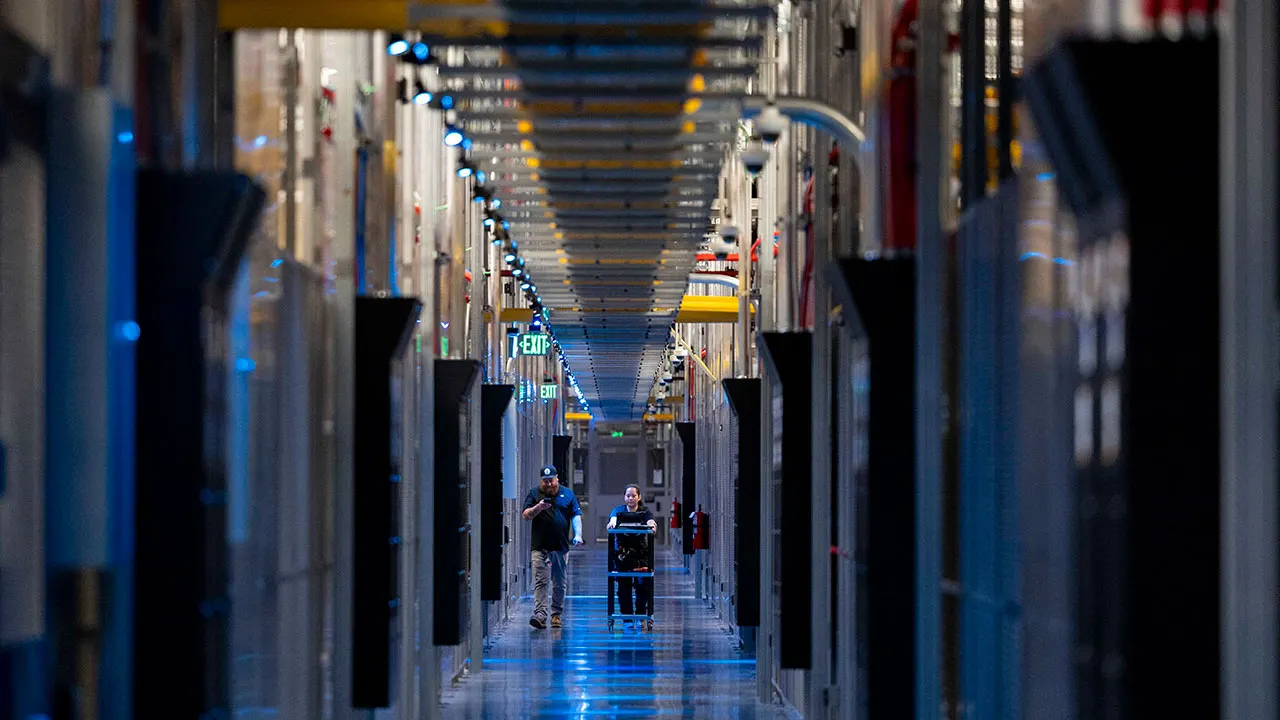
Harrison Street Asset Management co-founder Christopher Merrill joins ‘Mornings with Maria’ to discuss surging data center power demand in the U.S. and globally.
In a move that sends ripples through the technology and utility sectors, the state of Oregon’s utility regulator is implementing a new rule starting Wednesday that will significantly raise the electricity bills of data centers and other large energy users. This landmark policy aims to allow for lower rates for a broad base of other customers, effectively reallocating the financial burden of a rapidly evolving energy landscape.
The Oregon Public Utility Commission (PUC) has approved updated electricity rates for data centers and other residential and commercial customers, a change mandated for Portland General Electric (PGE) under a state law known as the Protecting Oregonians With Energy Responsibility (POWER) Act. This legislative action directly addresses the escalating energy demands driven by the digital economy, particularly the insatiable appetite of artificial intelligence (AI) infrastructure.
Under the POWER Act, PGE will institute an average rate increase of 29% for its data center clientele. In contrast, residential customers are slated to see an average decrease of 1.3%, commercial rates will fall by an average of 2.1%, and other industrial customers’ rates will decline by an average of 1.4%. The PUC estimates that this significant rate restructuring will impact approximately 963,000 customers across PGE’s expansive service territory, reflecting a deliberate policy choice to protect consumer interests amidst surging industrial demand.
“These changes ensure that costs created by data centers in PGE’s territory are more accurately reflected in their rates,” stated Commission Chair Letha Tawney. “By putting this structure in place now, we are getting ahead of a bigger issue, enabling responsible data centers to pay their own way and protecting customers from higher costs in the future.” This statement underscores the regulatory philosophy of “cost causation,” aiming to assign the financial burden of grid expansion and maintenance to the entities driving the highest consumption.
The burgeoning demand for computing power, fueled by advancements in AI, cloud computing, and digital transformation, has placed unprecedented stress on existing electrical grids. Data centers, the physical backbone of the internet and AI revolution, are notoriously energy-intensive, consuming vast amounts of electricity not only for their processing capabilities but also for cooling their sophisticated hardware. This rapid expansion often necessitates costly upgrades to transmission and distribution infrastructure, generation capacity, and the integration of new energy sources—investments traditionally socialized across all ratepayers.
VIRGINIA COUNTY URGES POWER SAVING MEASURES AMID 25% ELECTRICITY RATE HIKE, DATA CENTER GROWTH
Data centers in PGE’s footprint will pay higher electric rates under Oregon’s new law.(Amanda Andrade-Rhoades for The Washington Post via Getty Images)
PGE’s new rate changes officially commenced Wednesday, following a comprehensive month-long review by the PUC. The process, which saw the original implementation date delayed from early June, highlights the meticulous scrutiny applied to such economically impactful decisions. This makes PGE the first utility in Oregon to adopt a distinct rate schedule specifically targeting data center customers under the new state law, positioning Oregon at the forefront of this emerging regulatory challenge.
The POWER Act was signed into law last year by Gov. Tina Kotek, following its passage through the state’s Democratic-controlled legislature on votes that largely aligned with party lines in both chambers. This legislative trajectory reflects a broader political will to address perceived imbalances in energy cost distribution.
Governor Kotek, in a statement, affirmed that the POWER Act “was intended to ensure fairness and accountability when large energy users, like data centers, take up more load on Oregon’s electrical grid.” This sentiment echoes a growing national discourse about the sustainability and equitable distribution of infrastructure costs associated with the digital economy boom.
DATA CENTER BOOM POWERING AI REVOLUTION MAY DRAIN US GRIDS – AND WALLETS
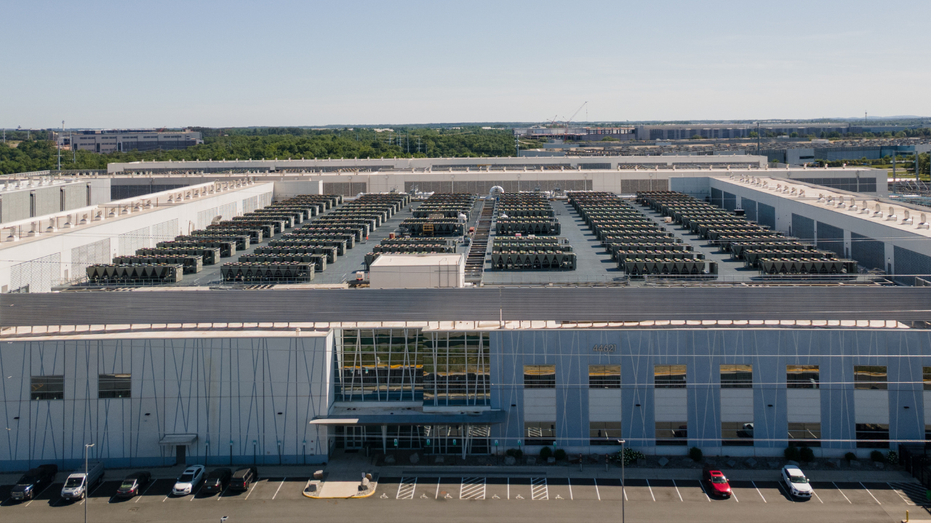
Data centers help power AI models and enable cloud storage and other digital tools.(Lexi Critchett/Bloomberg)
Oregon’s decisive action arrives amid mounting national concerns regarding the environmental footprint and economic impact of the rapid build-out of data centers. These facilities, essential for powering AI tools, cloud storage, and other digital services, are increasingly seen as a significant burden on the electric grid, with their escalating demand threatening the reliability of supply and driving up costs for all consumers and businesses. The situation in Northern Virginia, a global hub for data centers, where a county recently urged power-saving measures amid a 25% electricity rate hike, serves as a stark parallel and underscores the systemic nature of this challenge.
The Data Center Coalition (DCC), a prominent industry group representing data center owners, operators, and builders, acknowledges the importance of consumer protection and data centers contributing to grid expansion costs. However, the DCC informed FOX Business that Oregon PUC’s order is “significantly out of step with the approaches and best practices being implemented in many other states.” This critique highlights a divergence in regulatory philosophy that could have far-reaching implications for the industry’s investment decisions and operational predictability.
DATA CENTERS RAPIDLY TRANSFORMING SMALL-TOWN AMERICA
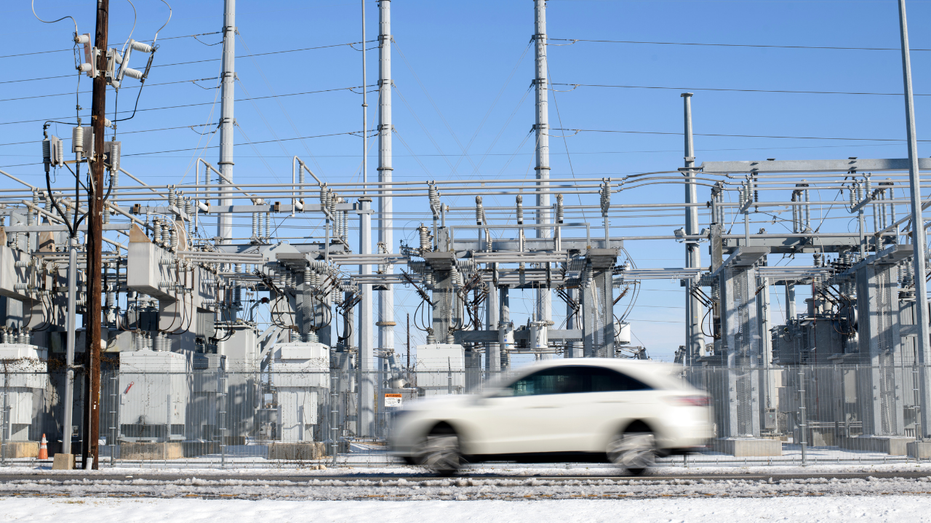
The rapid buildout of AI data centers has increased the load on the electric grid.(Mark Felix/Bloomberg via Getty Images)
Aaron Tinjum, DCC’s vice president of energy, elaborated in a statement to FOX Business that the group has filed a petition for the Oregon PUC to reconsider its order. He emphasized the data center industry’s commitment to “paying its full cost for the energy it uses to ensure that those costs are not shifted to other customers.” This underscores a willingness within the industry to bear its fair share, but critically, under terms that are deemed equitable and predictable.
“A workable approach, like those established in other markets, should align costs with cost causation, protect existing customers, and give data center customers a clear path to continue helping to drive clean energy and economic growth in Oregon,” Tinjum asserted. This statement calls for regulatory frameworks that are transparent, consistent, and supportive of long-term investment, particularly in renewable energy solutions that many data center operators are keen to adopt to meet their own ambitious ESG (Environmental, Social, and Governance) targets.
“Protections should be evidence-based, structured carefully, and grounded in specific cost risks; otherwise they risk creating market friction, introducing uncertainty, and making Oregon less predictable and less competitive,” Tinjum concluded. This warning speaks directly to the financial implications of such policies: regulatory ambiguity can deter capital investment, raise the cost of doing business (operational expenditures or OPEX), and ultimately push growth to states with more favorable and predictable regulatory environments. For an industry heavily reliant on stable, affordable power, such policy shifts can significantly impact asset valuation, site selection, and long-term financial planning.
GET FOX BUSINESS ON THE GO BY CLICKING HERE
**Market Impact**
Oregon’s aggressive rate restructuring serves as a bellwether for the broader financial markets, signaling evolving regulatory pressures on energy-intensive sectors. For publicly traded data center operators and their associated Real Estate Investment Trusts (REITs) (e.g., Equinix, Digital Realty), increased operational costs in key markets like Oregon could impact margins, capital expenditure decisions for future expansions, and ultimately, shareholder returns. Utilities, like Portland General Electric, may see improved financial stability through better cost recovery but could face pushback from large industrial clients and potential shifts in load growth. Investors will be closely monitoring how this policy influences data center site selection, potentially driving investment towards states with more stable or favorable energy policies. Furthermore, this move could accelerate the trend towards on-site power generation and renewable energy procurement (Power Purchase Agreements – PPAs) within the data center industry as companies seek to mitigate rising grid costs and meet their ESG commitments. The precedent set in Oregon may catalyze similar legislative actions in other states grappling with AI’s unprecedented energy demands, creating a new layer of regulatory risk and opportunity for market participants across the energy and technology ecosystems.