
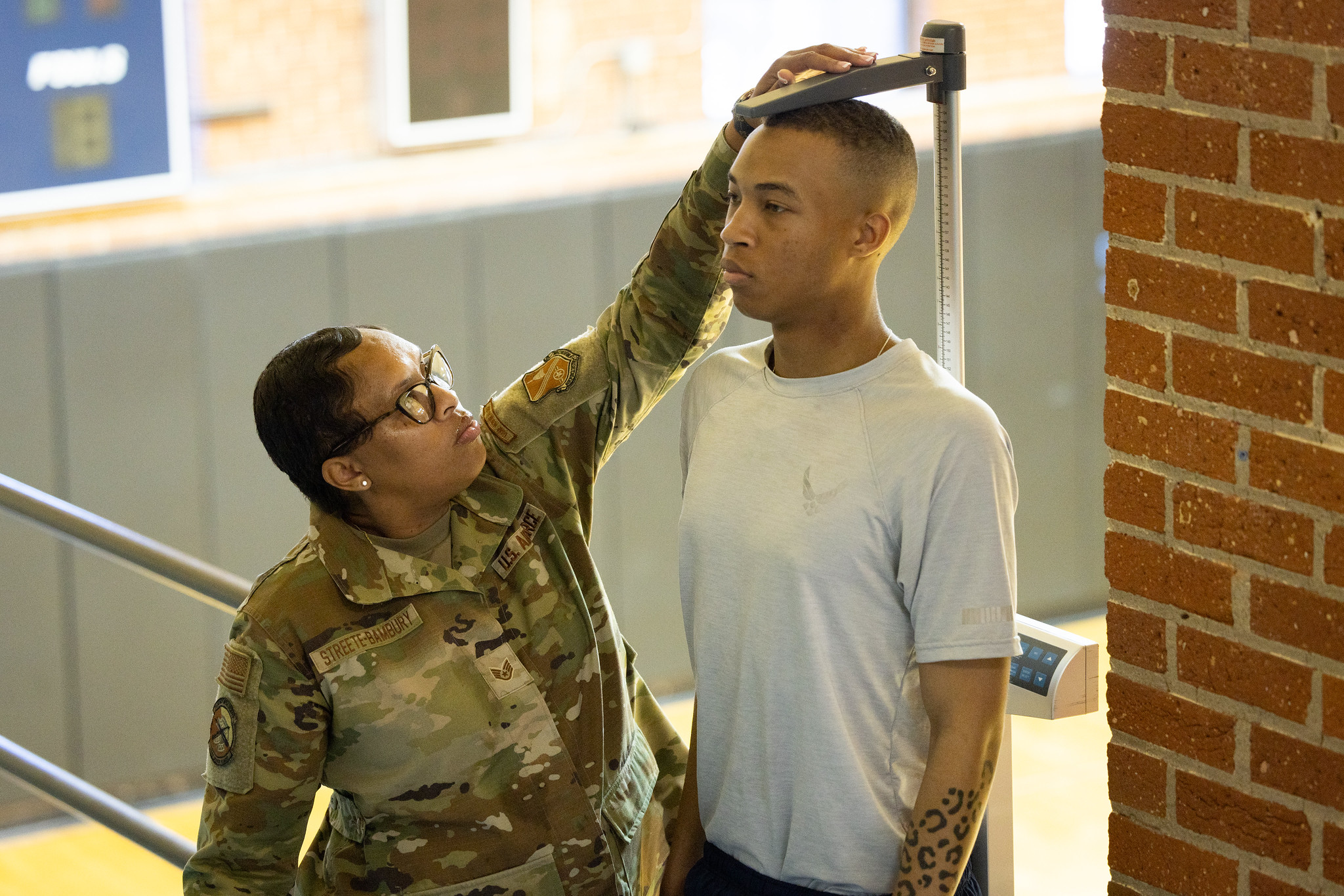
The United States Air Force is moving forward with a significant overhaul of its physical fitness standards, with a renewed emphasis on body composition. Air Force Chief of Staff Gen. Kenneth S. Wilsbach issued a directive on July 13, mandating that all Active-Duty Airmen complete a waist-to-height ratio assessment and ensure it is officially recorded by July 31. This directive is a critical component of the service’s newly implemented Physical Fitness Readiness Assessment (PFRA), which officially began scoring Airmen earlier this month.
The waist-to-height ratio (WHtR) serves as the new metric for body composition within the PFRA. It is designed to provide a more comprehensive measure of an individual’s physical health and readiness. General Wilsbach’s message specified that while Active Airmen face a July 31 deadline for having their current body composition measurement recorded in the myBodyComp application, Airmen serving in the Air National Guard and Air Force Reserve have an extended deadline of August 31 to fulfill the same requirement.
This reintroduction of a body composition measurement marks a notable shift in Air Force fitness policy. The service had previously removed body composition assessments from its official physical fitness test in 2021, a decision made during the height of the COVID-19 pandemic. Since then, Airmen’s body composition measurements were typically taken during their birth month or as part of their annual physical examinations, separate from the structured fitness test. With the new PFRA, body composition once again contributes to an Airman’s overall fitness score, accounting for 20 percent of the total.
The official scoring period for the new PFRA commenced on July 1, following a three-month diagnostic phase. During this diagnostic period, which allowed Airmen to familiarize themselves with the new test components, service members had the option to undergo the assessment and retain their scores if they were satisfactory. For the current mandate, Airmen who completed a body composition measurement during this diagnostic period can use those results to meet the current deadline, provided they are recorded in the myBodyComp app. Those who did not participate in the diagnostic PFRA must complete a new assessment by their respective deadlines.
General Wilsbach underscored the importance of these standards in his letter, linking them directly to military effectiveness. “To strengthen our readiness, every Airman must focus on fitness and appearance standards,” he wrote. He elaborated that the Waist-to-Height Ratio assessment is a vital element of the broader fitness program, offering commanders an additional tool to gauge the readiness and overall health of their personnel. This emphasis highlights the Air Force’s strategic view that individual fitness is intrinsically tied to collective operational capability.
A key change in the reintroduction of the body composition element is that Airmen are not required to take it on the same day as their other physical fitness test components. This policy adjustment stems from lessons learned in 2019, when officials observed that combining both events sometimes led Airmen to engage in “dangerous practices” such as taking diuretics or severely restricting food intake in an attempt to pass the prior ‘tape test’ body composition measurement. By separating these events, the Air Force aims to mitigate such risks and encourage healthier, more sustainable fitness practices.
Throughout his message, General Wilsbach consistently reinforced the theme of maintaining high standards across the force. “Standards are the foundation of discipline and readiness,” he asserted. “Consistently holding ourselves accountable builds trust within our formations, reinforces confidence in our teammates, and ensures we are prepared to answer our nation’s call.” This rhetoric suggests a broader cultural push within the Air Force to elevate professionalism and accountability at all levels, extending beyond physical fitness to encompass overall military bearing.
Beyond physical fitness, Wilsbach also reminded all Airmen of the enduring importance of adhering to the service’s dress and appearance regulations. He concluded his message by stating, “A professional image reflects discipline, pride, and attention to detail. That same mindset drives excellence across every career field and should be evident in how we present ourselves.” This reinforces the holistic view that personal presentation is not merely superficial but indicative of a deeper commitment to military values and mission accomplishment.
The new PFRA itself introduces other significant changes to the fitness regimen. For aerobic fitness, which accounts for 50 percent of the total score, Airmen now have a choice between a traditional two-mile run and the 20-meter High Aerobic Multi-Shuttle Run (HAMR). The HAMR test requires participants to dash between lines 20 meters apart at progressively increasing speeds, offering an alternative that may better suit different body types or training methodologies. Initially, the Air Force had considered making the two-mile run mandatory for all, but in January, the service announced it would retain the option for Airmen to choose, demonstrating a degree of flexibility in its fitness approach. The PFRA also includes various exercise options for measuring muscular strength and core endurance, allowing for greater personalization and potentially reducing injury risk compared to a one-size-fits-all approach.
Why This Matters
The U.S. Air Force’s recent directive to implement and enforce new physical fitness standards, particularly the reintroduction of the waist-to-height ratio assessment, carries significant implications for both service members and the broader defense landscape. Firstly, it underscores the military’s ongoing commitment to **readiness and operational effectiveness**. A physically fit force is a more capable force, better equipped to handle the rigorous demands of global operations, from combat missions to humanitarian aid. These standards are not merely bureaucratic exercises but are directly tied to the ability of Airmen to perform their duties under pressure and contribute to national security objectives.
Secondly, this initiative reflects a strategic focus on **Airmen health and longevity**. By reintroducing a body composition component, the Air Force is not just measuring fitness for duty but also promoting long-term wellness. A healthy waist-to-height ratio is often linked to a reduced risk of chronic diseases, which can impact an Airman’s career trajectory, medical costs, and overall quality of life. The emphasis on individual health contributes to a more sustainable and resilient force, potentially reducing attrition due to health-related issues.
Thirdly, the refinement of the Physical Fitness Readiness Assessment, including the introduction of choices for aerobic and strength components, demonstrates an evolution in **military fitness philosophy**. The Air Force is adapting to modern understanding of physical science and individual differences, moving away from potentially outdated or one-size-fits-all testing methods. The decision to separate the body composition test from other fitness events, in particular, highlights a proactive approach to addressing past issues, such as dangerous behaviors by Airmen trying to meet standards, thereby prioritizing safety and ethical conduct during assessments. This shift can foster a healthier and more positive fitness culture within the service.
Finally, General Wilsbach’s strong emphasis on “standards,” “discipline,” and “professional image” signals a broader **cultural and leadership imperative** within the Air Force. These updated fitness and appearance regulations are being framed as foundational elements for building trust, confidence, and overall excellence across all career fields. In an increasingly complex global security environment, maintaining high standards in every aspect of military life is seen as crucial for deterrence, morale, and the successful execution of critical missions. This directive is not just about physical measurements; it’s about reinforcing the core values and professionalism expected of every Airman in service to the nation.