
Crumbling Dreams: Celtic’s European Nightmare Unfolds in Austria
The echoes of disbelief still reverberate across Glasgow. What promised to be a triumphant march into the Champions League group stages devolved into an abject, soul-crushing capitulation. Martin O’Neill, a man no stranger to the unforgiving spotlight of European football, has bravely shouldered the blame after Celtic suffered one of the most astonishing collapses in their storied history, surrendering a seemingly unassailable four-goal aggregate lead against LASK to crash out of qualifying in a dizzying 5-4 defeat.
The first leg, a dominant display of attacking prowess and defensive solidity, had seemingly put this tie to bed. Celtic had showcased their credentials, their ambition, and what appeared to be an unshakeable grip on their European destiny. But football, as it so often reminds us, is a cruel mistress, capable of delivering the most brutal of lessons. The advantage, once so vast and reassuring, evaporated in a maelstrom of LASK’s relentless pressure and Celtic’s increasingly desperate, error-strewn defending during a chaotic second half in Austria. The tie, once a formality, became a nightmare, dragging the Bhoys into extra time before LASK completed a stunning, almost unbelievable, comeback. This isn’t just a defeat; it’s a deep, psychological wound that will fester for months, if not years, in the collective memory of the Celtic faithful.
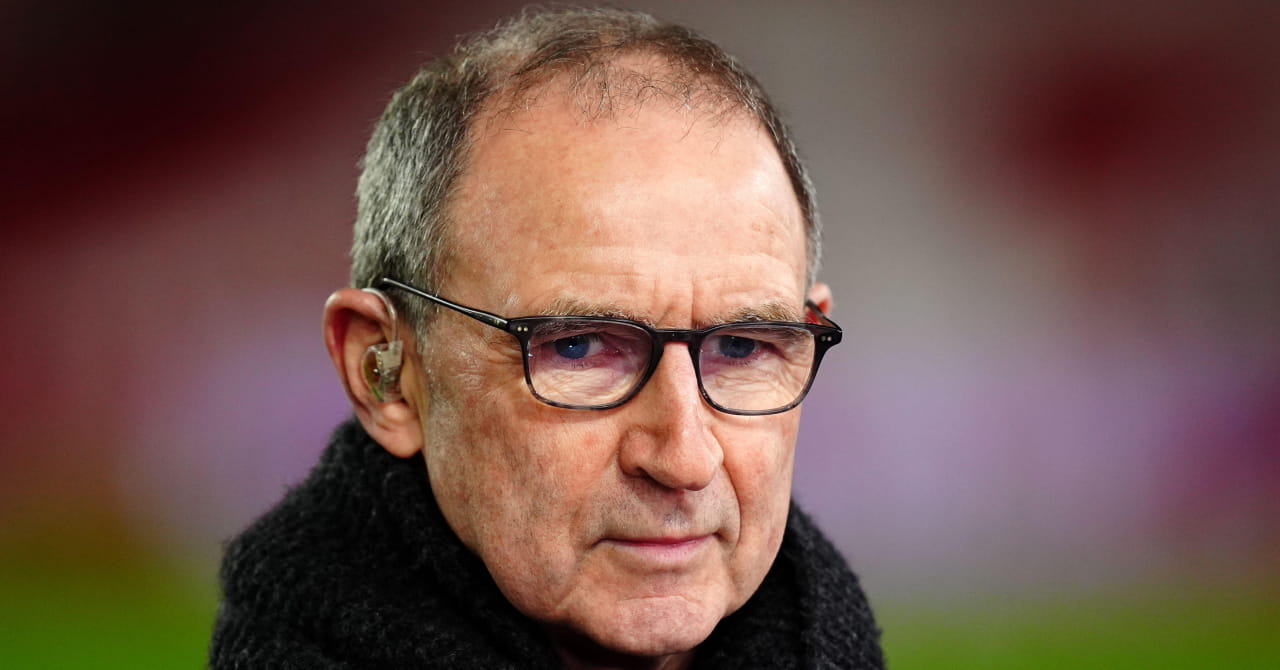
O’Neill, a manager renowned for his honesty and integrity, made no attempt to sugarcoat the bitter pill after the final whistle. His face, etched with the pain of the moment, spoke volumes even before his words began. “I’m responsible for this one,” he stated with a grim resolve. “Without a doubt.” It was a confession, a direct acceptance of the burden, a stark contrast to the often-evasive rhetoric of modern football. He drew a poignant comparison, acknowledging the gravity of this loss over a cup final defeat. “In the context of things, one was a final which it would have been terrific to win, this was a qualifying game which we should have been able to get through,” O’Neill added, highlighting the fundamental failure. His subsequent admission, “We know that we are a million miles from the finished article. That’s absolutely true. I think we thought that anyway,” serves as both a sobering self-assessment and a stark warning for the challenging road ahead.

The result is not merely a setback; it’s a catastrophic blow, particularly painful given Celtic’s recent history of European disappointment at the same crucial stage. While O’Neill was not at the helm when Brendan Rodgers’ side were eliminated by Kairat Almaty on penalties last year – a defeat that undeniably contributed to Rodgers’ eventual departure – this current collapse casts a long, foreboding shadow over his own nascent tenure. O’Neill had, until this point, been hailed as the steadying hand, guiding Celtic to another Scottish Premiership title and the Scottish Cup, restoring a semblance of stability after a turbulent period. Now, the ground beneath his feet feels less secure, and he faces a rebuilding job of monumental proportions, one that extends far beyond the tactical whiteboard.
UCL failure brings seismic consequences
Beyond the immediate sporting humiliation, Celtic’s failure to reach the Champions League has consequences that ripple through every facet of the club, most acutely felt in its financial health. Qualification is not merely about prestige; it’s about a significant influx of revenue, a financial lifeline that can transform a club’s fortunes. The millions earned from participation would have not only boosted the club’s coffers but also made Celtic a far more attractive destination for potential new signings during the critical final stages of the transfer window. The allure of top-tier European football is a powerful magnet for talent; without it, the recruitment landscape shifts dramatically.
O’Neill, with characteristic candour, acknowledged the severe impact this will have on the club’s recruitment plans, a reality that will undoubtedly frustrate both management and the expectant fanbase. “The qualification for the Champions League is major, it’s major in every aspect,” he said, his voice carrying the weight of the missed opportunity. “Financially, for prestige, but we have to pick ourselves up. That’s my responsibility again to do that.” He continued, painting a stark picture of the changed market dynamics: “I think I said last week that if you could qualify for the Champions League there would be players wanting to come on that basis. That’s not going to be the case but we’ll see.” The optimism, once vibrant, has been replaced by a pragmatic, almost resigned, outlook on the transfer market.
Game Highlights: The Austrian Avalanche
The first leg, a commanding 4-0 victory for Celtic at home, was a masterclass in controlled aggression. Goals from various attacking outlets had created a comfortable buffer, leaving fans confident of a straightforward progression. But the return leg in Austria was anything but. From the first whistle, LASK played with an intensity bordering on desperation, fueled by their home crowd.
- 15th Minute: Early Warning Shot.LASK’s attacker broke the deadlock with a clinical finish, exploiting a momentary lapse in Celtic’s concentration. Aggregate: 4-1. Nerves fluttered, but the lead still felt substantial.
- 38th Minute: Growing Unease.Another LASK goal, this time a header from a set-piece, pierced Celtic’s defense. The confidence that had permeated the squad began to crack. Aggregate: 4-2. The half-time whistle offered a temporary reprieve, but the dressing room mood must have been tense.
- 55th Minute: Panic Sets In.Just ten minutes into the second half, LASK struck again. A swift counter-attack caught Celtic flat-footed, and the ball nestled in the back of the net. The aggregate lead was now down to a single goal, 4-3. The once-commanding lead had shrunk to a terrifying tightrope walk.
- 70th Minute: The Equaliser.The unthinkable happened. A moment of individual brilliance from a LASK midfielder, a powerful shot from outside the box, left the Celtic goalkeeper helpless. The aggregate score was level at 4-4. The stadium erupted, and Celtic’s players looked stunned, shell-shocked by the rapidity of LASK’s comeback.
- 90+3 Minute: Saved by the Bell.Celtic managed to hold on through frantic injury time, forcing the game into extra time, but the momentum was firmly with LASK.
- 105th Minute: The Decisive Blow.In the first period of extra time, LASK completed their incredible turnaround. A deflection, a scramble, and the ball was bundled in. Aggregate: 5-4 to LASK. Celtic, exhausted and emotionally drained, could find no answer in the remaining minutes, collapsing under the weight of their own squandered advantage.
Prediction: A Season of Scrutiny and Domestic Redemptions
The fallout from this European debacle will be immense. Martin O’Neill, despite his immediate acceptance of responsibility, will face unprecedented scrutiny. His words about the team being “a million miles from the finished article” now take on a starker, more urgent meaning. The immediate impact will likely be a more conservative approach in the transfer market, potentially missing out on key targets who would have elevated the squad. This could, in turn, put more pressure on the existing roster and the club’s development system.
For Celtic, the remainder of the season will be defined by their ability to respond domestically. The Scottish Premiership and Scottish Cup will become the primary battlegrounds for redemption. O’Neill’s immediate challenge is to restore morale, rebuild shattered confidence, and ensure this European hangover doesn’t cripple their league form. Expect a period of intense reflection, perhaps some tactical adjustments, and a renewed focus on defensive solidity. While the dream of Champions League football is dead for this year, the fight for domestic supremacy will intensify. My prediction is that Celtic, despite this crippling blow, will still find a way to secure another domestic title. However, this triumph will forever be tinged with the bitter memory of what might have been in Europe, and O’Neill’s long-term future, despite his recent success, will remain a topic of fervent debate until a significant European improvement can be demonstrated.