
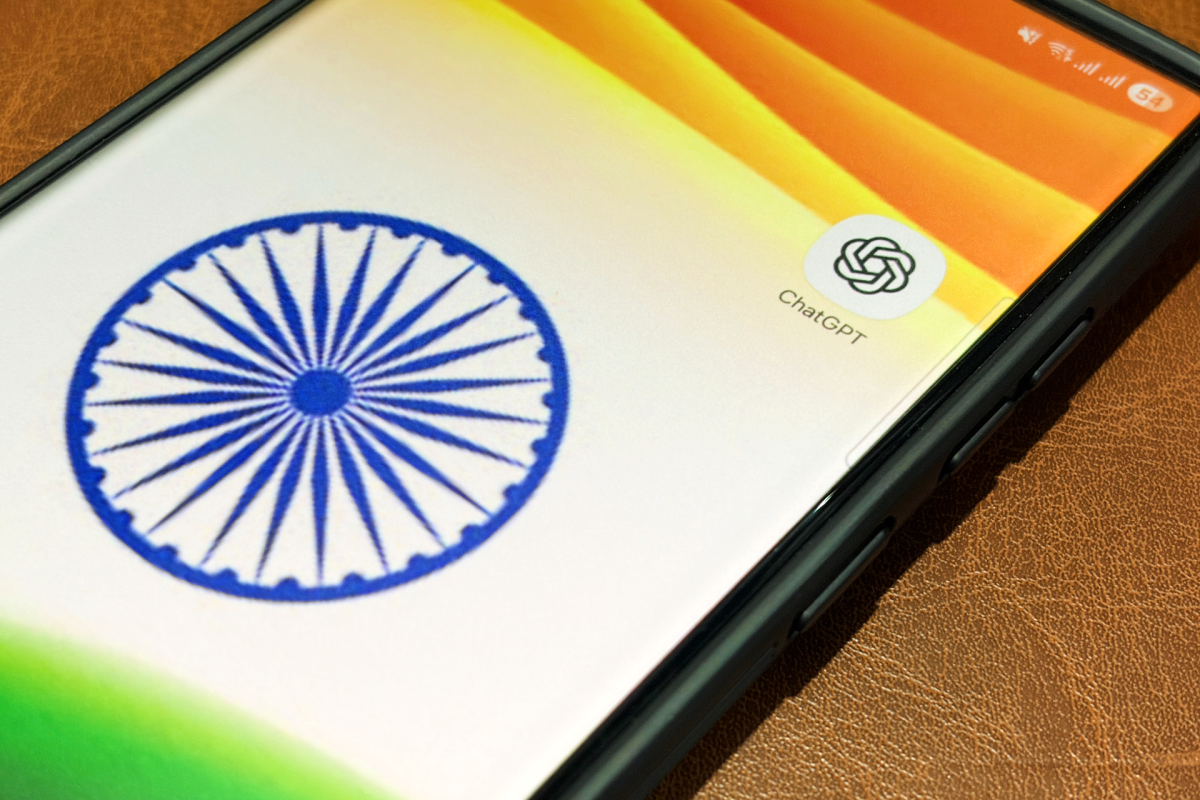
It seems there is no escaping the ad industry.
The relentless march of monetization within the tech industry has reached a pivotal new frontier: artificial intelligence. OpenAI, the company synonymous with the generative AI revolution through ChatGPT, is making a definitive move into advertising, starting with one of the world’s most dynamic digital markets – India. This strategic pivot signals a maturing phase for AI platforms, where the enormous costs of development and operation are now directly confronting the expectation of free access.
Key Takeaways
- OpenAI Embraces Ads for Scale & Revenue:To bolster its revenue streams ahead of a potential IPO, OpenAI is introducing advertisements on its ChatGPT Free and Go subscription tiers, leveraging its massive 100M+ weekly active users in India.
- India as a Strategic Testbed:Having aggressively cultivated its Indian user base with localized pricing and extensive marketing (like IPL/WPL sponsorships), India provides OpenAI a critical, high-volume market to pilot and refine its ad-supported model.
- Shaping AI’s Business Future:This move underscores the high operational costs of advanced AI and sets a precedent for hybrid monetization (freemium + ads) across the industry, blurring the lines between pure subscription and ad-supported models for conversational AI.
On Thursday, OpenAI officially confirmed that ads would begin appearing across its ChatGPT Free and Go subscription tiers within India. This announcement follows a subtle but significant amendment to its terms of service earlier this month, which had hinted at the impending integration of advertising. For a platform that quickly became a household name largely on the back of its free, ad-unencumbered experience, this marks a profound shift in its underlying business model.
India: The Unmissable Market
The choice of India as a launchpad for this new advertising endeavor is far from coincidental. With a staggering digital population and a burgeoning tech adoption rate, India represents a colossal opportunity. OpenAI itself revealed in February that it serves over 100 million weekly active ChatGPT users in India. A substantial majority of these users are engaged with the free or the more affordable Go tiers, making it an ideal, high-volume environment to pilot and perfect an ad-supported model. This isn’t merely a minor expansion; it’s a calculated foray into a market critical for global scale.
OpenAI’s strategic investment in the Indian market has been evident for some time. The company has aggressively worked to cultivate its user base, demonstrating a clear understanding of local consumer behavior and price sensitivities. This includes the introduction of a highly competitive sub-$5 plan for ChatGPT Go in August 2025, alongside a limited promotional offer that provided this tier free for an entire year. Beyond pricing, OpenAI embedded its brand deeply into the national consciousness by running extensive advertising campaigns during major sporting spectacles like the Women’s Premier League (WPL) and the hugely popular Indian Premier League (IPL) cricket leagues. More recently, the company underscored its long-term vision for the region by recruiting Uber’s former India head to lead its expansion efforts in the country. These concerted efforts have successfully built a massive, engaged audience, now ripe for monetization through advertising.
The Mechanics of Conversational AI Advertising
The initial phase of this advertising rollout will feature ads from approximately 50 brands. To manage this ambitious undertaking, OpenAI has strategically partnered with global advertising giants WPP and Omnicom. These agencies bring unparalleled expertise in orchestrating large-scale brand campaigns and boast extensive relationships with major advertisers worldwide, signaling OpenAI’s intent for a sophisticated and impactful ad integration. The collaboration points towards a rapid and professional scaling of its advertising operations.
To further empower advertisers, OpenAI plans to launch its own ad manager next month. This platform will allow marketers to directly create and manage campaigns, with a daily minimum budget set at ₹725 (approximately $7.60). This relatively accessible entry point suggests OpenAI is aiming to attract a diverse range of advertisers, from large multinational corporations to potentially numerous small and medium-sized businesses looking to connect with a highly engaged, context-rich audience within the ChatGPT interface.
Dave Dugan, OpenAI’s head of global ads solutions, articulated the core philosophy behind this initiative: “With ChatGPT Ads, businesses of every size can introduce themselves at relevant, high-context moments when decisions are beginning to take shape.” This vision implies a form of advertising that moves beyond traditional intrusive banners, potentially integrating promotional content directly into user interactions in a seamlessly relevant manner. Imagine a user querying ChatGPT for healthy dinner recipes and encountering an ad for a specific meal kit delivery service, or asking for travel advice and being shown an advertisement for a relevant hotel chain. The potential for hyper-targeted, contextually driven advertising within a conversational AI is immense, though it critically hinges on maintaining a delicate balance between helpfulness and intrusiveness, a key challenge for user experience.
Global Ambitions and the IPO Imperative
The advertising initiative in India is not an isolated event but a critical component of a broader global strategy. OpenAI commenced showing ads to its U.S. user base in February, extending the program to Europe earlier this month. This methodical, phased rollout enables the company to rigorously test, refine, and optimize its advertising technology and strategy across diverse regulatory, cultural, and market landscapes, gleaning invaluable insights before a more extensive global deployment. India, with its complex and vibrant digital ecosystem, will provide crucial data points for this worldwide ambition.
At the heart of this aggressive monetization drive lies the compelling prospect of an Initial Public Offering (IPO), widely anticipated within the next year or two. For any tech company preparing for public markets, demonstrating robust, diverse, and sustainable revenue streams is paramount. The sheer capital required to develop, train, and continuously operate cutting-edge AI models like GPT-4 and its successors is astronomical. Generative AI, while groundbreaking, comes with an immense operational cost due to its significant computational demands and the ongoing need for massive infrastructure.
Recent financial reports underscore this critical imperative. According to The Wall Street Journal, OpenAI recorded an impressive revenue of $6.7 billion in the second quarter ended June 2026, a significant jump from $5.7 billion in the preceding quarter. While these figures are strong, a substantial portion is likely derived from enterprise subscriptions and API usage. Expanding the revenue base to include advertising from its vast free user base is a logical and necessary step to cement financial stability, diversify income streams, and ultimately, attract discerning public investors.
Adding to this financial roadmap, The Information reported last November that OpenAI harbors an ambitious goal: to achieve 220 million paying subscribers by 2030. At that time, approximately 35 million users were subscribed to its premium Plus and Pro plans. Bridging this substantial gap between current paying users and future targets, while simultaneously managing the escalating operational costs of a rapidly expanding free tier, necessitates innovative and aggressive monetization strategies. Advertising offers a direct pathway to convert the inherent value of its free user engagement into tangible revenue, without solely relying on converting these users to paid subscriptions.
The Evolving Future of AI Monetization
OpenAI’s bold move decisively entrenches a growing trend within the AI industry: the adoption of a hybrid monetization model. While premium subscriptions will continue to offer ad-free experiences and advanced functionalities, the free tier – essential for widespread market penetration and data collection – will increasingly become ad-supported. This mirrors the trajectory of countless successful digital services, from social media platforms to streaming services, illustrating that even the most revolutionary AI technologies must eventually conform to the economic realities of sustaining large-scale free user engagement.
The paramount challenge for OpenAI will be to integrate these advertisements with finesse, ensuring they genuinely add value for both advertisers and users, without fundamentally detracting from the core utility and intuitive user experience that propelled ChatGPT to global prominence. The long-term success of this strategy will pivot on the company’s ability to consistently deliver “relevant, high-context moments” for its advertising partners while scrupulously maintaining user trust and deftly avoiding the pitfalls of intrusive or irrelevant advertising. This delicate balance will be absolutely critical as conversational AI embeds itself even deeper into the fabric of our daily digital lives.
When you purchase through links in our articles, we may earn a small commission. This doesn’t affect our editorial independence.
{content}
The Bottom Line
OpenAI’s decision to introduce advertising on its free and Go ChatGPT tiers, particularly starting with India, is far more than a simple revenue-generating maneuver; it’s a strategic declaration of intent for the future of AI. It powerfully underscores the immense financial demands of sustaining and advancing generative AI, signaling a clear shift towards hybrid monetization models that expertly balance user accessibility with robust economic viability. For India, this move further solidifies its status as a critical battleground for global tech expansion, where massive, engaged user bases are now prime targets for sophisticated advertising. As OpenAI navigates its complex path towards a potential IPO, this bold step in ad integration will be meticulously watched, not just as a financial maneuver to bolster its coffers, but as a foundational blueprint for how the world’s leading AI platforms intend to fund their revolutionary aspirations while keeping their groundbreaking services accessible to millions globally.
Source:{feed_title}