
Key Takeaways
- Supply Chain Vulnerability & Diversification:The widespread cyclosporiasis outbreak highlights critical weaknesses in global fresh produce supply chains, prompting urgent calls for enhanced traceability, localized sourcing, and supplier diversification to mitigate future risks and ensure food security.
- Shifting Consumer Habits & Industry Adaptation:The incident has triggered a significant, albeit potentially temporary, decline in fresh produce sales, forcing food manufacturers and retailers to adapt to altered consumer purchasing patterns, with potential implications for product innovation and marketing strategies towards perceived safer alternatives.
- Economic Ripple Effect & Brand Reputation:Beyond immediate health concerns, the outbreak inflicts substantial economic damage through lost sales, reputational harm for implicated brands like Taylor Farms and Taco Bell, and potential long-term costs associated with increased regulatory scrutiny and consumer distrust in the fresh food sector.
The Marzetti Company President and CEO Dave Ciesinski discusses how the cyclospora outbreak has affected the salad mix and dressing business and inflation on ‘The Claman Countdown.’
A widespread cyclosporiasis outbreak, linked to contaminated iceberg lettuce, is sending ripples far beyond public health concerns, profoundly challenging the resilience of global food supply chains and reshaping consumer purchasing habits across the United States. With over 11,000 illnesses reported across 20 states, hundreds of hospitalizations, and two confirmed deaths, the incident has exposed significant vulnerabilities within the fresh produce sector, prompting a financial reckoning for growers, distributors, restaurant chains, and food manufacturers alike. This crisis underscores the critical intersection of public health and economic stability, demanding immediate and strategic responses from industry stakeholders.
The Food and Drug Administration (FDA) has confirmed the outbreak’s expansion to three new states – Georgia, Tennessee, and Texas – bringing the total to 20 states affected. This widening geographical footprint amplifies the economic repercussions, extending the zone of consumer apprehension and operational disruption for businesses dealing in fresh produce. Each new state added to the list translates into increased anxiety among consumers, potentially further depressing sales and impacting local food economies already grappling with inflationary pressures and supply chain complexities.
The direct impact on implicated entities, such as Taylor Farms de Mexico, the identified supplier of the contaminated iceberg lettuce, and Taco Bell restaurants, which served the tainted product, is multifaceted. For Taylor Farms, the incident triggers not only extensive recall costs and potential legal liabilities but also a severe blow to its brand reputation, potentially affecting future contracts and market share. Similarly, Taco Bell faces a significant public relations challenge, necessitating swift and transparent communication to restore consumer confidence and mitigate any long-term decline in patronage. The perception of food safety is paramount in the quick-service restaurant industry, and such widespread outbreaks can have lingering effects on sales velocity and customer loyalty, directly impacting quarterly earnings and investor sentiment.
A massive cyclosporiasis outbreak linked to contaminated iceberg lettuce has sickened more than 11,000 people across 20 states, according to the FDA.(Brandon Bell/Getty Images / Getty Images)
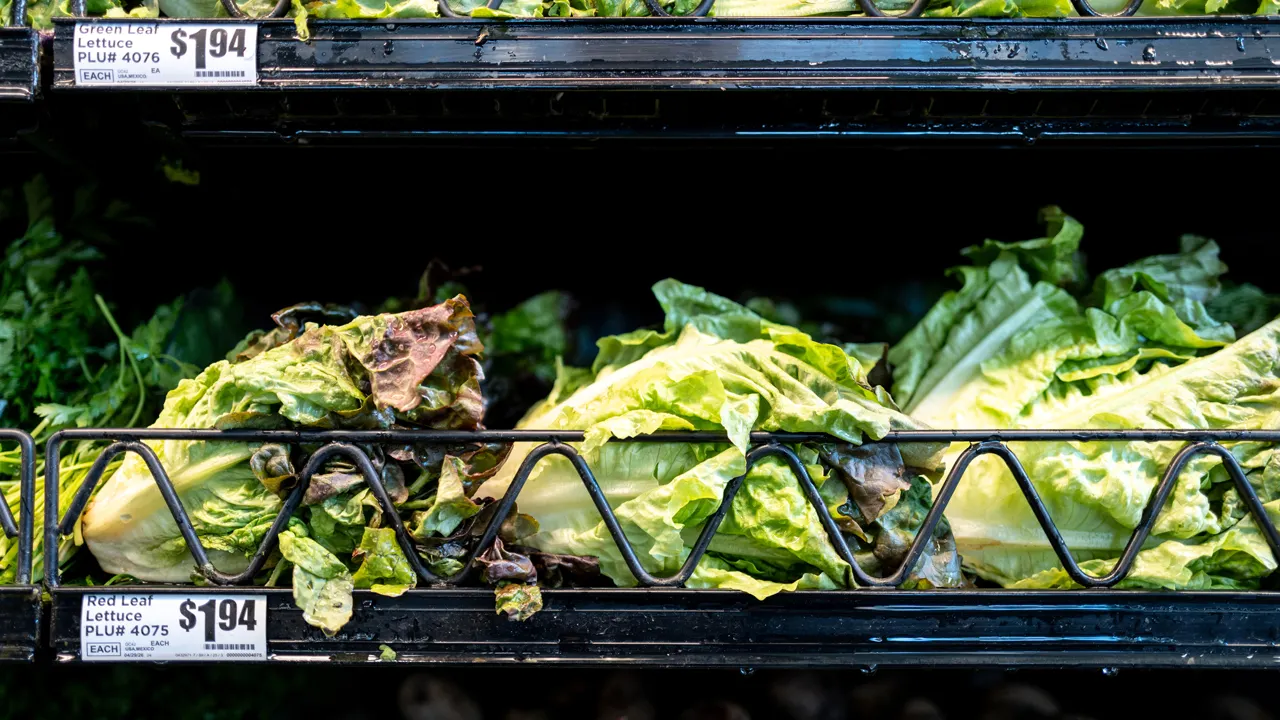
The economic fallout extends broadly across the food industry, as evidenced by insights from Dave Ciesinski, President and CEO of The Marzetti Company. Ciesinski, whose portfolio includes popular retail food brands and refrigerated salad dressings, recently articulated to FOX Business the profound shift in consumer behavior. He reported a startling decline in sales of leafy greens, plummeting by as much as 30% at the outbreak’s onset. This sharp reduction wasn’t confined to lettuce alone; overall vegetable sales fell by approximately 16% to 17%, with even fruit experiencing a downturn. Such figures underscore a collective consumer withdrawal from fresh produce categories, driven by heightened food safety anxieties rather than typical seasonal or economic factors. This ‘flight to safety’ among consumers suggests a temporary but significant reallocation of grocery spending, potentially benefiting frozen, canned, or prepared food alternatives perceived as less risky.
This phenomenon, where consumers are “changing their behavior,” has broader implications for market analysts and strategic planners. This immediate shift in purchasing patterns forces retailers and food producers to recalibrate demand forecasts, adjust inventory management, and potentially pivot marketing strategies. The critical question for investors is whether these behavioral changes are transient, as public memory fades, or indicative of a more lasting distrust in fresh, unprocessed foods. Should consumers permanently opt for alternatives, the entire ecosystem of fresh produce, from agricultural investment to retail shelf space and logistics, could undergo a structural re-evaluation, impacting valuations across the sector.
The cyclospora outbreak serves as a stark reminder of the inherent risks in globalized food supply chains. Relying on a single or limited number of international suppliers for foundational ingredients like iceberg lettuce introduces systemic vulnerabilities that can cascade into widespread crises. Companies are now compelled to reassess their sourcing strategies, prioritizing redundancy, diversification, and robust traceability protocols to build more resilient supply chains. The cost of such enhancements, including potential investments in domestic agriculture, advanced tracking technologies, and stricter quality controls, will likely be absorbed by producers and distributors, eventually passed on to consumers, thereby contributing to inflationary pressures in the produce aisle, even as immediate demand might be temporarily suppressed.
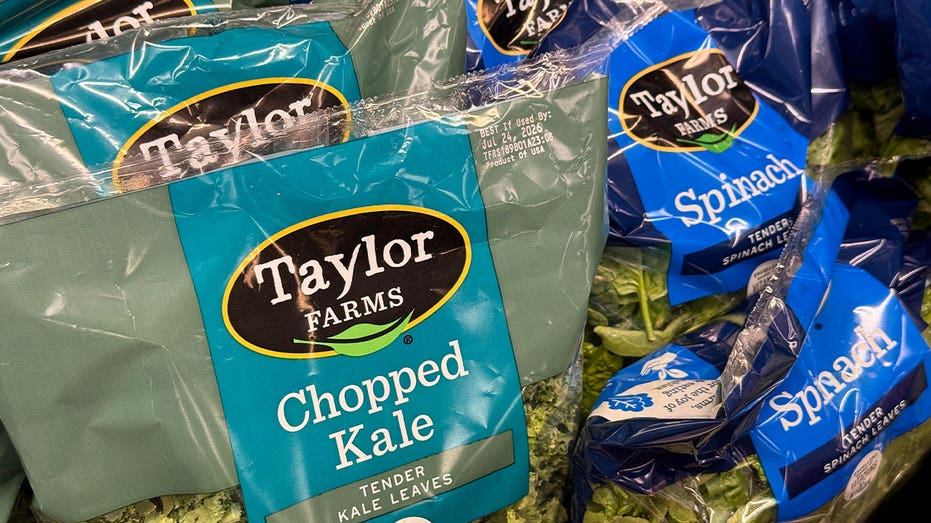
Packages of Taylor Farms salad greens are displayed at a Safeway store in Kings Beach, California, on July 16, 2026. The company says it has voluntarily removed iceberg lettuce sourced from central Mexico while federal officials continue investigatin(Justin Sullivan/Getty Images / Getty Images)
Beyond the immediate sales impact, the expanding outbreak is intensifying regulatory scrutiny from agencies like the FDA and CDC. Increased oversight could lead to stricter food safety standards, more frequent inspections, and potentially higher compliance costs for food businesses operating in a global market. Furthermore, the specter of class-action lawsuits looms large for companies implicated in such widespread health crises, posing significant legal and financial liabilities that could extend for years and drain corporate resources. Insurance premiums for food industry players, particularly those involved in fresh produce and international sourcing, are also likely to face upward pressure as underwriters re-evaluate risk exposures in light of these incidents.
The sheer scale of the illness – 11,458 reported cases across 20 states – also carries substantial indirect economic costs. These include extensive healthcare expenditures for treatment, lost wages due to illness, and reduced productivity across the workforce. While difficult to quantify precisely, these societal costs ultimately impact national economic output and place an additional burden on public health systems, indirectly affecting fiscal stability and consumer spending power in other sectors.
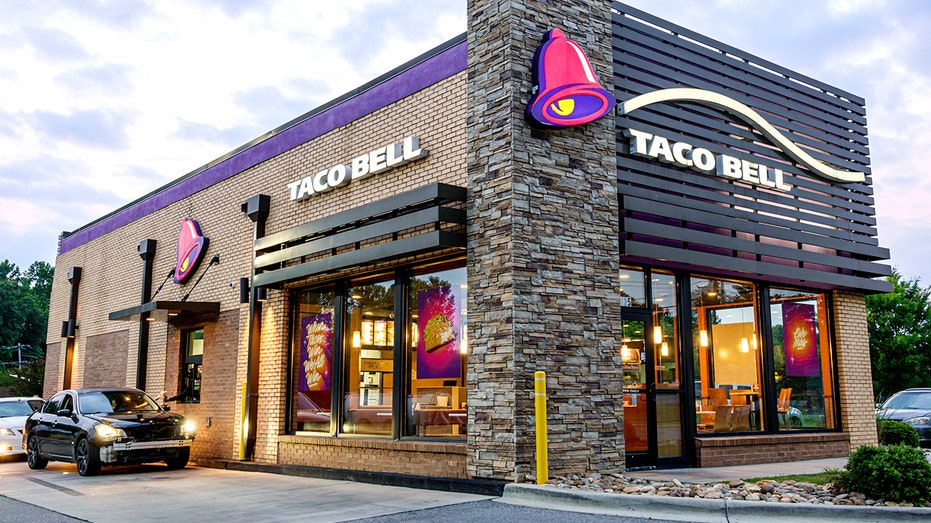
Health authorities have linked a multistate cyclosporiasis outbreak to contaminated iceberg lettuce supplied to Taco Bell restaurants by Taylor Farms de Mexico.(Jeffrey Greenberg/Universal Images Group via Getty Images / Getty Images)
Market Impact
The cyclosporiasis outbreak is a sobering lesson in the interconnectedness of public health and economic stability. For the food industry, it signals a period of intensified focus on supply chain integrity, food safety protocols, and brand reputation management. Investors will be closely watching how companies adapt to shifting consumer preferences, navigate increased regulatory pressures, and absorb the financial repercussions of such health crises. While the immediate impact on fresh produce sales is evident, the long-term implications for sourcing diversification, technological adoption in food safety, and the overall perception of fresh foods could reshape market dynamics for years to come, urging a strategic re-evaluation of risk across the entire food sector. Companies demonstrating robust traceability, transparent communication, and proactive safety measures are likely to gain investor confidence and market share in an increasingly scrutinized environment.
Fox News Digital’s James Cirrone contributed to this report.