
**Key Takeaways:**
1. **Public Opinion Reversal:** For the first time, more Americans oppose than support surveillance cameras like those deployed by Flock Safety, marking a significant shift in public sentiment.
2. **Privacy Concerns Outweigh Perceived Safety:** The YouGov survey indicates that a majority of respondents do not believe these cameras enhance their sense of safety, reinforcing criticisms from privacy advocates.
3. **Intensifying Backlash:** Flock Safety, a leading provider of license plate readers, faces increasing community rejection, contract cancellations, and even vandalism, reflecting the depth of public discontent.
—
### **The Shifting Tide: Americans Turn Against Ubiquitous Surveillance Cameras**
A significant fault line is emerging in the ongoing debate between security and privacy, and it appears the ground is shifting beneath the feet of companies deploying expansive surveillance networks. A groundbreaking new survey reveals that public sentiment in the United States has unequivocally turned against the proliferation of surveillance cameras in communities, with opposition now outweighing support. This pivotal moment, detailed in an exclusive report shared with The Washington Post, could signal a turning point for the future of urban monitoring technology.
The YouGov survey, canvassing an impressive 20,000 individuals across the U.S., found that a compelling 46% of respondents actively oppose the presence of surveillance cameras in their neighborhoods. In contrast, only 38% expressed support. This data represents a stark reversal from just a year prior, when the majority of survey participants indicated a favorable view of such technologies. The implications are profound, suggesting a growing unease among the populace with the pervasive eye of digital watchdogs.
### **Flock Safety at the Epicenter of the Storm**
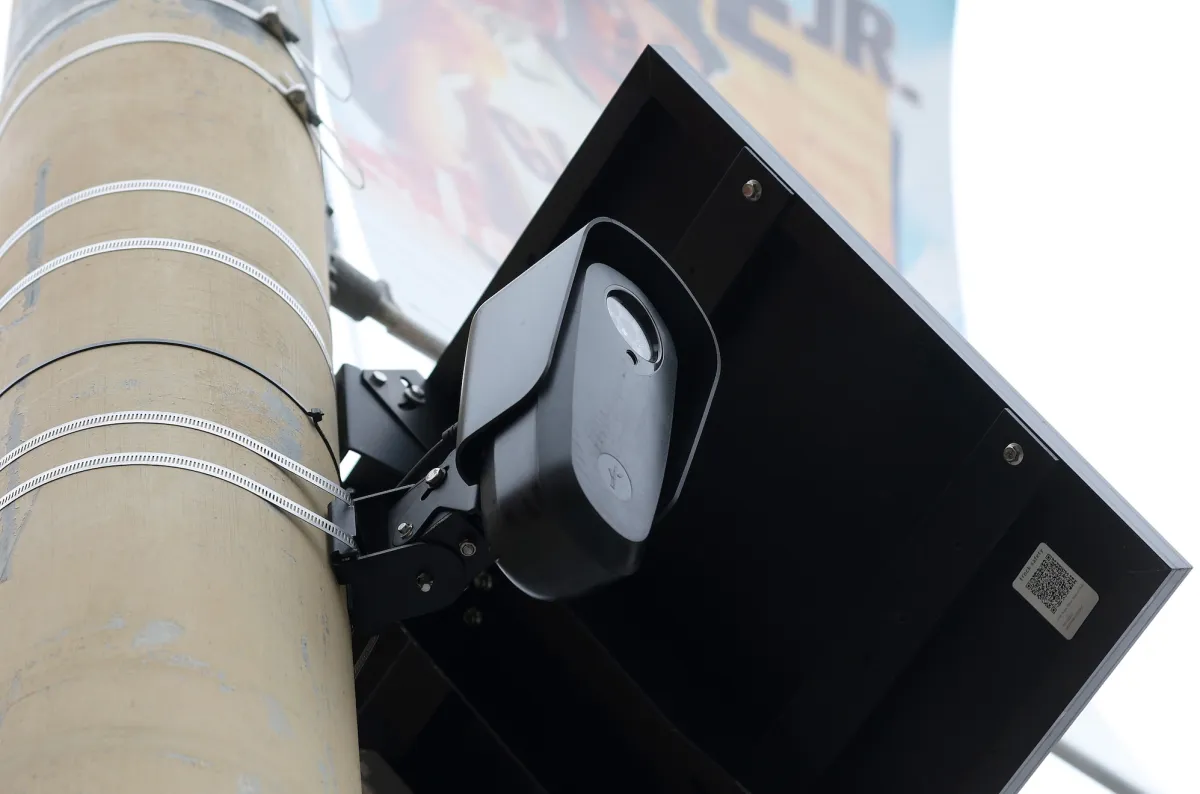
At the heart of this escalating controversy is Flock Safety, a company that has become synonymous with the widespread deployment of automated license plate recognition (ALPR) technology. Operating an extensive network of over 120,000 license plate readers nationwide, Flock Safety’s cameras have the capability to track and log the movements of millions of vehicles daily. While marketed as a crucial tool for law enforcement in combating crime, particularly property crime and stolen vehicles, their ubiquitous presence has ignited a fervent backlash from civil liberties advocates and increasingly, the general public.
The company has found itself embroiled in a deepening quagmire of controversy. Reports detailing instances of police misuse and abuse of camera data have fueled public distrust, leading to dozens of U.S. communities either rejecting new Flock installations or outright canceling existing contracts. These decisions often stem from profound privacy concerns, with critics arguing that such expansive tracking capabilities create a de facto dragnet surveillance system that erodes fundamental civil liberties. The worry is not just about tracking criminals, but about the potential for tracking everyone, regardless of suspicion, creating a chilling effect on freedom of movement and association.
### **Safety Perception: A Critical Disconnect**
Perhaps most damaging to the proponents of surveillance technology is the survey’s finding regarding public perception of safety. A majority of respondents indicated that the presence of these cameras would not, in fact, make them feel any safer. This critical disconnect between the promised benefit of enhanced security and the actual feeling of the populace undermines the core justification for such widespread deployment. If the public doesn’t feel safer, then the perceived benefits struggle to outweigh the very real privacy costs.
This sentiment highlights a deeper societal dialogue about what truly constitutes community safety. Is it more cameras and data collection, or is it investment in social programs, community policing, and addressing root causes of crime? The survey results strongly suggest that for many Americans, the latter holds more weight than the former.
### **Flock’s Defense vs. Critics’ Concerns**
Reached for comment, Flock Safety maintained that there is widespread support for its technology, albeit acknowledging that “support isn’t unconditional.” The company pointed to the recent rollout of new safeguards designed to address privacy concerns. These safeguards reportedly include measures like data retention limits and stricter access protocols for law enforcement.
However, these efforts have largely failed to appease staunch critics. Organizations like the American Civil Liberties Union (ACLU) have swiftly dismissed Flock’s new safeguards as largely superficial and insufficient, asserting that the company’s technology continues to pose a significant threat to civil liberties. The ACLU and other privacy advocates argue that without independent oversight, robust auditing, and transparent accountability mechanisms, any internal “safeguards” are merely window dressing. The fundamental issue, they contend, remains the mass collection of sensitive location data on innocent citizens.
### **A Call for Compromise Amid Escalating Tensions**
The intensifying backlash has not been confined to legal challenges and public debate; it has, in some instances, taken a more direct and concerning turn. Amid a reported rise in vandalism targeting Flock cameras, CEO Garrett Langley last week issued a public call for “compromise” between surveillance and privacy.
Langley’s appeal underscores the growing pressure on surveillance companies to reconcile their business models with public demand for stronger privacy protections. But what “compromise” truly means in this context remains an open question. For privacy advocates, compromise would likely involve significantly scaling back deployment, ensuring strict judicial oversight for data access, and perhaps even shifting towards more targeted, rather than blanket, surveillance. For Flock, it might mean continuing to operate broadly but with enhanced transparency and user controls. The path to a mutually acceptable middle ground appears fraught with ideological and practical challenges, especially as public resistance continues to mount, indicating a fundamental shift in societal comfort with pervasive monitoring.
### **Bottom Line**
The recent YouGov survey marks a critical inflection point in the national conversation surrounding surveillance technology. As public opposition solidifies and grows, companies like Flock Safety find themselves at a crossroads. The era of unchecked expansion of surveillance networks may be drawing to a close, paving the way for a more discerning public and more restrictive regulatory environment. This shift demands that technology providers, law enforcement, and policymakers engage in a more honest and transparent dialogue about the true costs and benefits of widespread digital monitoring, ultimately striving for solutions that genuinely enhance safety without sacrificing the fundamental rights and freedoms that define a democratic society.
{content}
Source:{feed_title}