
Virtuoso Vice President Misty Belles joins Cheryl Casone on Mornings with Maria to analyze the post-pandemic surge in luxury travel sales. Belles breaks down top global destinations, the rise of wellness travel, and fall booking trends.
**Key Takeaways:**
1. **Strategic Premiumization:** JetBlue’s BlueFirst launch signifies a deliberate pivot to capture higher-yielding domestic premium travel demand, strategically segmenting its offerings beyond its established Mint product to bolster overall revenue per available seat mile (RASM).
2. **Competitive Market Dynamics:** This move intensifies competition in the domestic first-class segment, challenging legacy carriers to innovate and potentially driving pricing pressures, while JetBlue aims to leverage its brand for differentiation and customer loyalty.
3. **Profitability and Investor Outlook:** The success of BlueFirst will be crucial for JetBlue’s financial health, impacting its ability to improve margins, enhance profitability, and demonstrate a clear path to sustainable growth amidst recent strategic challenges and a focus on operational efficiency.
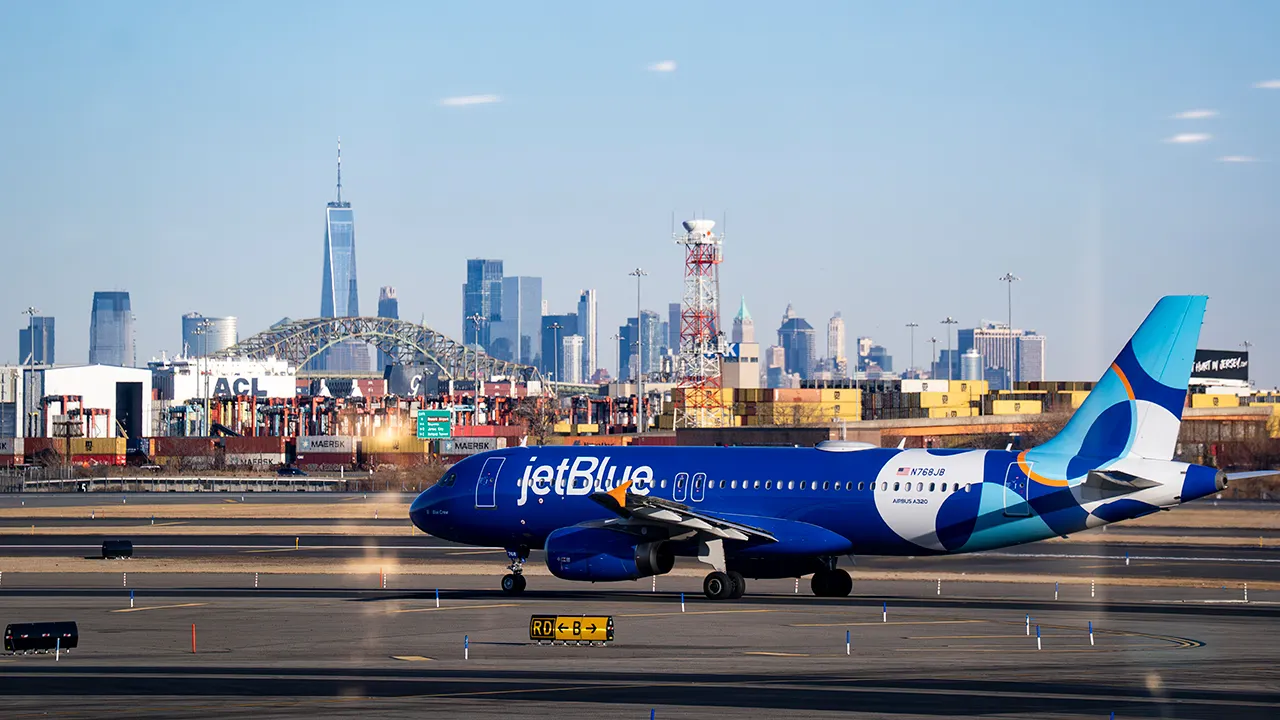
JetBlue on Tuesday unveiled a new domestic first-class experience that will be available for booking this fall, signaling a significant strategic move to further penetrate the lucrative premium travel segment. This announcement comes at a critical juncture for the airline industry, which is capitalizing on robust post-pandemic travel demand, particularly within the higher-yield luxury and business travel categories. Named BlueFirst, the new offering aims to redefine the domestic premium experience, potentially reshaping competitive dynamics in key U.S. markets.
The new offering, called BlueFirst, will feature redesigned seats, premium amenities and upgraded seatback technology, the airline said. This investment in cabin modernization and enhanced passenger experience reflects a broader industry trend where airlines are increasingly focusing on non-basic economy fares to boost average ticket prices and improve unit revenues. For JetBlue, a carrier known for its distinct customer-centric approach, this is a calculated step to attract a more affluent clientele on routes where its acclaimed Mint business-class product is not offered, thereby optimizing its fleet utilization and market coverage.
“Domestic first class has become easy to predict. We think it’s time for a fresh take,” JetBlue CEO Joanna Geraghty said in a statement. “Customers are increasingly looking for more premium experiences, and BlueFirst gives them an elevated experience that feels distinctly JetBlue, with thoughtful touches, caring service and great value.” Geraghty’s comments underscore a perceived gap in the market—a belief that traditional domestic first-class offerings from legacy carriers have become somewhat commoditized. JetBlue is betting its brand equity and service philosophy can create a differentiated product that commands a premium price point, thereby enhancing its revenue mix and potentially increasing its market capitalization.
CALIFORNIA AIRPORT CONSIDERING SCRAPPING POST-9/11 POLICY THAT BARRED GOODBYES AT TERMINAL GATES

JetBlue unveiled a new domestic first-class experience that will be available for booking this fall.(Al Drago/Getty Images)
The first aircraft featuring JetBlue’s new BlueFirst cabin is expected to enter service later this year, indicating a phased rollout that will allow the airline to fine-tune operations and gather customer feedback. This gradual introduction minimizes immediate capital expenditure risk while allowing for iterative improvements. From an investor perspective, the speed and efficiency of this rollout will be key indicators of management’s execution capabilities.
The redesigned seats will be arranged in a two-by-two configuration and offer 5 inches of recline and up to 7 additional inches of legroom compared with JetBlue’s standard economy seats. This emphasis on space and comfort directly addresses key pain points for premium travelers and aims to justify the higher fare. The inclusion of Tuft & Needle foam, designed to “offer each customer personalized support and responsive pressure relief throughout the flight,” highlights a focus on wellness and passenger well-being, aligning with broader trends in the luxury travel sector, as noted by industry experts like Virtuoso Vice President Misty Belles, who has observed a post-pandemic surge in wellness travel.
Travelers will also have access to 13.3-inch seatback screens with Bluetooth connectivity, free Fly-Fi internet and USB-A, USB-C and AC power outlets. In an increasingly connected world, robust in-flight technology is no longer a luxury but a necessity for business and leisure travelers alike. JetBlue’s commitment to free Wi-Fi and comprehensive power options positions BlueFirst favorably against competitors, many of whom still charge for internet access, potentially creating a significant competitive advantage in terms of customer satisfaction and repeat bookings.
AMERICAN AIRLINES FLIGHT SUFFERS 2 TIRE BLOWOUTS BEFORE TAKEOFF, MARKING 5TH TIRE REPORT AT CHICAGO O’HARE
JetBlue’s BlueFirst cabin features 13.3-inch seatback screens with Bluetooth connectivity, free Fly-Fi Wi-Fi and in-seat power outlets.
BlueFirst passengers on overnight flights will receive a blanket and snooze kit. “Customers told us loud and clear that comfort matters most, so that’s where we started,” Geraghty added. These seemingly small touches contribute to the overall premium experience and can significantly influence customer perception and willingness to pay a higher fare. From an operational standpoint, managing the supply chain for these amenities adds complexity but is deemed necessary for the value proposition.
The cabin will also feature seatback ordering and a “Mixologist Mode,” allowing passengers to create custom cocktails. On flights of 899 miles or longer, customers will receive a meal featuring an entrée, side and dessert. The airline will also offer rotating premium snacks, sommelier-selected wines, specialty coffee and teas. This elevated food and beverage service is a critical component of any premium cabin, differentiating it from standard economy and aligning with the expectations of discerning travelers. The “Mixologist Mode” is an innovative feature that could generate significant buzz and reinforce JetBlue’s unique brand identity.
MAJOR CASINO OPERATOR DISCLOSES ‘SUBSTANTIAL DOUBT’ OVER FUTURE AS DEBT PRESSURES MOUNT

The first aircraft featuring JetBlue’s new BlueFirst cabin is expected to enter service later this year.(Joe Raedle/Getty Images)
Additionally, BlueFirst customers will receive Group 1 boarding, dedicated overhead-bin space, priority check-in, expedited security access at more than 30 airports, two free checked bags and priority baggage delivery, according to JetBlue. These ground services are integral to the premium travel experience, reducing friction and stress for passengers. The waiver of change and cancellation fees on BlueFirst and BlueFirst Flex fares further enhances the value proposition, offering flexibility that is highly prized by both business and leisure travelers in an unpredictable post-pandemic travel landscape.
JetBlue said BlueFirst will be offered in markets where it does not currently operate Mint, its premium business-class cabin. This strategic segmentation is crucial for understanding JetBlue’s market strategy. By deploying BlueFirst in markets without Mint, JetBlue avoids cannibalizing its existing high-yield product while expanding its premium footprint. This allows the airline to cater to a broader spectrum of premium demand, from transcontinental business class (Mint) to upscale domestic first class (BlueFirst), thereby maximizing revenue opportunities across its network. The airline said it plans to announce additional details later this year, suggesting further refinements and potentially additional routes or features.
GET FOX BUSINESS ON THE GO BY CLICKING HERE
Market Impact:
JetBlue’s introduction of BlueFirst is poised to have a multi-faceted impact on the airline sector and its financial performance. For JetBlue, this strategic pivot towards premiumization, following its failed acquisition of Spirit Airlines and ongoing efforts to enhance profitability, is critical. A successful BlueFirst launch could significantly boost its revenue per available seat mile (RASM) and improve operating margins by attracting higher-paying customers. Investors will closely watch booking trends, load factors, and average fares for BlueFirst to gauge its contribution to JetBlue’s bottom line. The move also signals an intensified competitive environment in the domestic first-class segment, potentially pressuring legacy carriers like American, Delta, and United to either enhance their own offerings or adjust pricing strategies. This could lead to a ‘race to the top’ in terms of cabin products and services, ultimately benefiting consumers but potentially impacting industry-wide profitability if not managed carefully. Furthermore, BlueFirst’s success would validate the robust demand for premium travel, influencing broader investment decisions in fleet modernization and cabin innovation across the airline industry.