
Report Proposes UK-EU ‘Deterrence Union’ Amid Shifting Global Defence Landscape
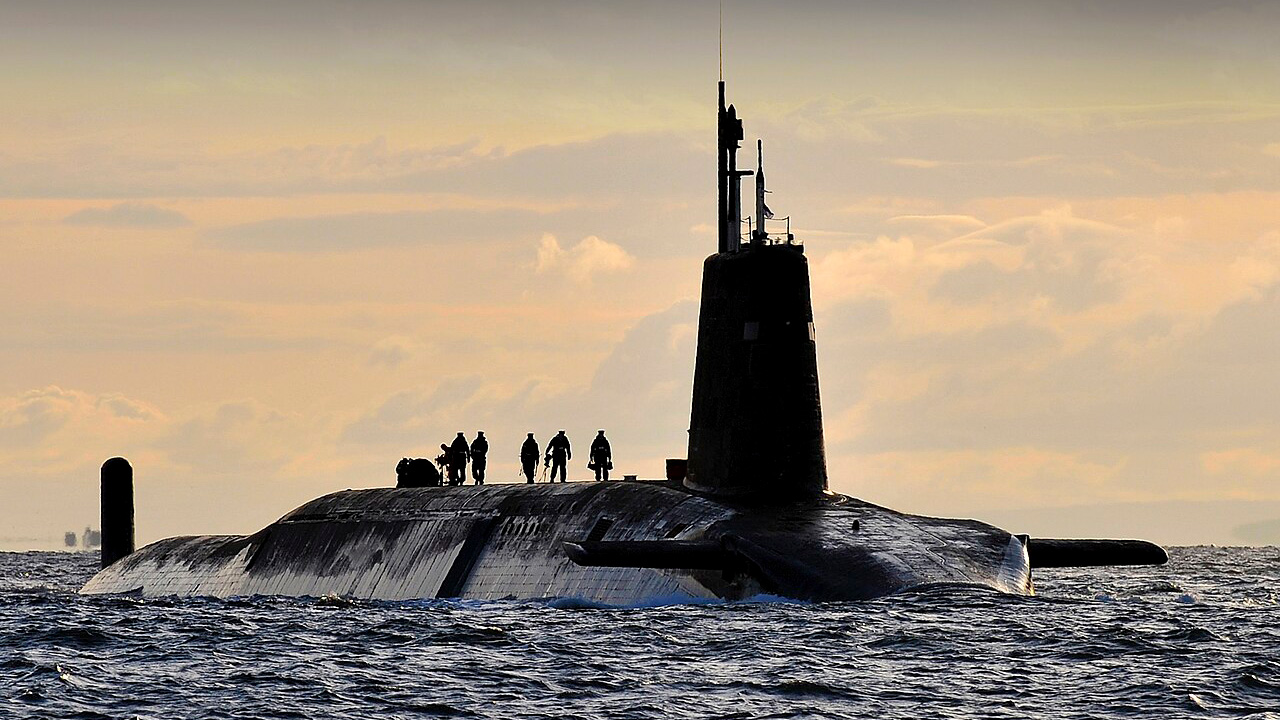
A new report published by the Council on Geostrategy suggests that Britain should explore the formation of a “Deterrence Union” with the European Union. This proposal entails the formal extension of the United Kingdom’s nuclear and conventional deterrent capabilities over the bloc, in exchange for bespoke access to European defence funding mechanisms.
The paper, titled “Towards a Hercules Hold: Maintaining a transatlantic defence industrial base,” was authored by Paul Mason and William Freer. It features a foreword by Tan Dhesi, the Labour Member of Parliament for Slough and current chair of the House of Commons Defence Committee. The report’s central premise identifies a growing divergence within the transatlantic defence industrial base. This split is attributed to the United States’ strategic reprioritisation of resources towards hemispheric defence and countering China, while the European Union simultaneously advances its pursuit of strategic autonomy through instruments such as the €150 billion SAFE facility. A key concern raised is that these European mechanisms increasingly mandate the exclusion of third countries. The United Kingdom, operating outside the European Union but maintaining extensive security ties with Washington, is described as being caught between these two diverging defence entities, facing what the authors term a “dangerous Hobson’s choice” in capability standardisation.
Evolving Geopolitical Landscape and Britain’s Strategic Position
The authors contend that Britain’s traditional self-assigned role as a “transatlantic bridge” between the United States and Europe no longer adequately serves its national interests in the current geopolitical environment. They argue that this historical approach, characterized by a more passive mediating function, is becoming insufficient to safeguard British security and defence objectives.
Instead, the report advocates for Britain to adopt a more proactive and central role in establishing what it terms a “Hercules hold.” This concept suggests that the UK should actively work to grip and sustain the two diverging pillars of the transatlantic alliance – the US and the EU. By strategically concentrating defence investment on select high-value capabilities and championing interchangeability across allied forces, the report suggests that the UK government can exert the necessary influence to maintain access to advanced US defence technology while simultaneously accelerating the rearmament efforts within Europe. This new approach aims to position Britain as an indispensable link rather than a passive intermediary.
Further bifurcation of the transatlantic defence industrial base, according to the report, risks significant repercussions. It warns that European allies could be cut off from crucial cutting-edge American research and development, as well as vital North American surge capacity. This separation could leave European nations with widening capability gaps, particularly in high-end domains where the United States currently holds a lead, such as ballistic missile defence, hypersonic strike systems, and advanced space capabilities. Moreover, integrated transatlantic defence firms could face severe supply chain disruption, impacting their ability to deliver essential equipment and services efficiently.
Proposed Strategies for Enhanced Defence Cooperation
The most prominent recommendation from the report is the concept of a “Deterrence Union.” This proposal envisions Britain formally offering the protection of its nuclear and conventional military capabilities to the European Union. In return, the UK would seek deeper, bespoke access to the European defence market and its associated funding mechanisms, thereby integrating its defence industry more closely with the continent’s strategic autonomy objectives without full EU membership.
Beyond the Deterrence Union, the authors put forward several other key recommendations. They advocate for championing hardware and munitions interchangeability across NATO member states. This goes beyond mere interoperability, aiming for a level where equipment can be physically swapped and utilized between different allied platforms and forces. Such commonality would streamline logistics, enhance operational flexibility, and improve overall readiness. Another recommendation is for Britain to invest strategically in a select portfolio of high-value technological “chokepoints.” The objective here is to develop British engineering capabilities in critical areas to such an extent that they become indispensable to both Washington and Brussels, thereby solidifying the UK’s strategic importance. Additionally, the report calls upon the government to formally endorse the Canadian-led Defence, Security and Resilience Bank as a source of non-exclusionary funding specifically designed for transatlantic defence projects, fostering broader collaboration.
The emphasis on interchangeability aligns with recent statements from senior military figures. The First Sea Lord, for instance, articulated a similar vision in an interview last month, describing interchangeability as a concept that transcends interoperability. He suggested it would allow allied navies to operate in a manner that makes the nationality of the force conducting a given task agnostic, enabling them to act for each other’s collective requirements and freely exchange capabilities as needed.
Current Strategic Context and Policy Implications
The timing of this report coincides with significant ongoing developments in transatlantic defence policy. The United States is currently undertaking a comprehensive review of its force posture in Europe. Elbridge Colby, a former Under Secretary of Defense for Policy, recently stated at a Brussels meeting that this review would critically examine the strategic positioning of American forces on the continent. This comes as Washington increasingly prioritises its strategic focus on the Western Hemisphere and the First Island Chain in the Indo-Pacific, leading to a reassessment of its commitments elsewhere. Colby confirmed that allied nations have received a written questionnaire seeking their perspectives on these evolving strategic priorities.
Concurrently, British access to European defence funding instruments has been a subject of ongoing negotiation since 2024, following the UK’s departure from the European Union. The SAFE facility, in particular, has been a focal point of these discussions, with considerable debate surrounding the terms and conditions under which non-member states, like the UK, can participate in such programmes.
Adding to the contemporary relevance, Tan Dhesi MP, who contributed the report’s foreword, recently pressed the Prime Minister during Prime Minister’s Questions to commit to increasing defence spending to three percent of Gross Domestic Product (GDP) by 2030. Dhesi informed the House of Commons that Britain faces a significantly elevated threat level and must acknowledge a shift in US leadership, for whom European security may no longer be the primary strategic priority, thereby necessitating greater European self-reliance.
The Council on Geostrategy, which published the report, is a London-based think tank established in 2021. Its primary focus areas include British foreign and defence policy, the broader Indo-Pacific region, and the maritime and technological dimensions of national strategy. Paul Mason, one of the report’s co-authors, is a journalist and author who also co-presents the organisation’s Defence Talks podcast.
Why This Matters
This report’s proposals carry significant implications for the future of European security, the transatlantic alliance, and Britain’s role on the global stage. The suggestion of a “Deterrence Union” represents a radical rethinking of post-Brexit defence cooperation between the UK and the EU, offering a potential pathway to bridge the strategic gap created by Britain’s departure from the bloc. For the European Union, it offers access to a significant nuclear deterrent and advanced conventional capabilities, potentially accelerating its drive for strategic autonomy by leveraging an external, yet closely allied, power. However, it also raises questions about sovereignty, decision-making authority, and the integration of a non-member state into core defence planning.
For the United Kingdom, it signifies an attempt to redefine its strategic value and influence in a multipolar world. By offering its deterrent, the UK seeks to secure vital access to European defence markets and R&D funds, ensuring its defence industry remains competitive and integrated. This strategy aims to solidify Britain’s position as a pivotal player, not merely a bridge, between the US and Europe, thereby countering the “Hobson’s choice” outlined in the report. It also underscores the growing recognition in London of the need for deeper European engagement beyond NATO, especially as Washington reorients its focus towards the Indo-Pacific.
Globally, the report reflects the increasing strains on the traditional transatlantic alliance structure. The US shift in focus, coupled with the EU’s push for strategic autonomy, necessitates new models of cooperation. The emphasis on interchangeability and technological chokepoints highlights a practical approach to maintaining military effectiveness and avoiding fragmentation amidst diverging national priorities. The debate around these proposals will influence how Western nations collectively address escalating threats from revisionist powers, cyber warfare, and emerging technologies, ultimately shaping the balance of power and stability in an increasingly complex international environment.