
UK Ministry of Defence Expands Drone Contract, Boosting Capabilities and Weight Limits
The British Ministry of Defence (MoD) has announced its intention to significantly broaden the scope of its existing £129 million mini-drone contract, known as “TIQUILA,” awarded to Lockheed Martin UK. The proposed modifications would increase the maximum take-off weight (MTOW) allowed for drones procured under the contract from 20 kilograms to 50 kilograms and officially confirm that the agreement covers flights beyond visual line of sight (BVLOS). These changes are planned without initiating a new competitive tender process, according to a transparency notice published by the department.
The TIQUILA contract, valued at £129,350,000 (excluding VAT), was originally awarded to Lockheed Martin UK on December 7, 2022. It is set to run for 120 months, with provisions for extensions of up to an additional 24 months and flexibility to adjust the volume of goods and services delivered throughout its term.
The transparency notice outlines the department’s proposal “to broaden the contractual technical envelope so that TIQUILA can continue to procure and integrate relevant UAS capability as technology and operational demands evolve.” Specifically, the modification will “confirm the inclusion of VLOS [Visual Line of Sight] and BVLOS Packable MUAS [Mini Uncrewed Air System] capability” and “increase the platform take-off weight from a maximum of 20kg to 50kg.”
The MoD asserts that these substantial changes can be implemented without a fresh procurement competition. Its justification states: “The modification does not change the contract into a requirement for a different category of capability. The requirement remains focused on UAS capability supporting field operations through the existing SI-led [Systems Integrator-led] model, while accommodating unanticipated technological advancement beyond the parameters originally defined.”
Further elaborating on its rationale, the department explains: “It preserves the commercial model, of engagement with the wider UAS market and new entrants through flexible supply-chain arrangements; supports the same field-operational purposes and retains the same SI-led integration, modular architecture and through-life delivery model, while responding to technological advancement and developing operational demands in the manner contemplated by the original procurement, and is therefore considered a a vertical evolution of the existing UAS capability, rather than horizontal expansion.”
The MoD also confirmed that all existing pricing mechanisms will remain unchanged. It considers the modification a permissible “non-material modification” under legal principles established in the “Pressetext” case and the Defence and Security Public Contracts Regulations 2011. The department emphasized that the transparency notice was published voluntarily to ensure public accountability.
The TIQUILA program is designed to deliver mini uncrewed air systems for intelligence, surveillance, target acquisition, and reconnaissance (ISTAR) operations. These systems are required to be packable and portable, suitable for deployment in various field scenarios. Lockheed Martin UK serves as the primary systems integrator, responsible for bringing together components and expertise from various suppliers, including new entrants, industry partners, and academia, through enabling arrangements. The initial contract stipulated a modular technical and digital architecture built on open-standard interfaces, facilitating the integration of new capabilities as they emerged over time.
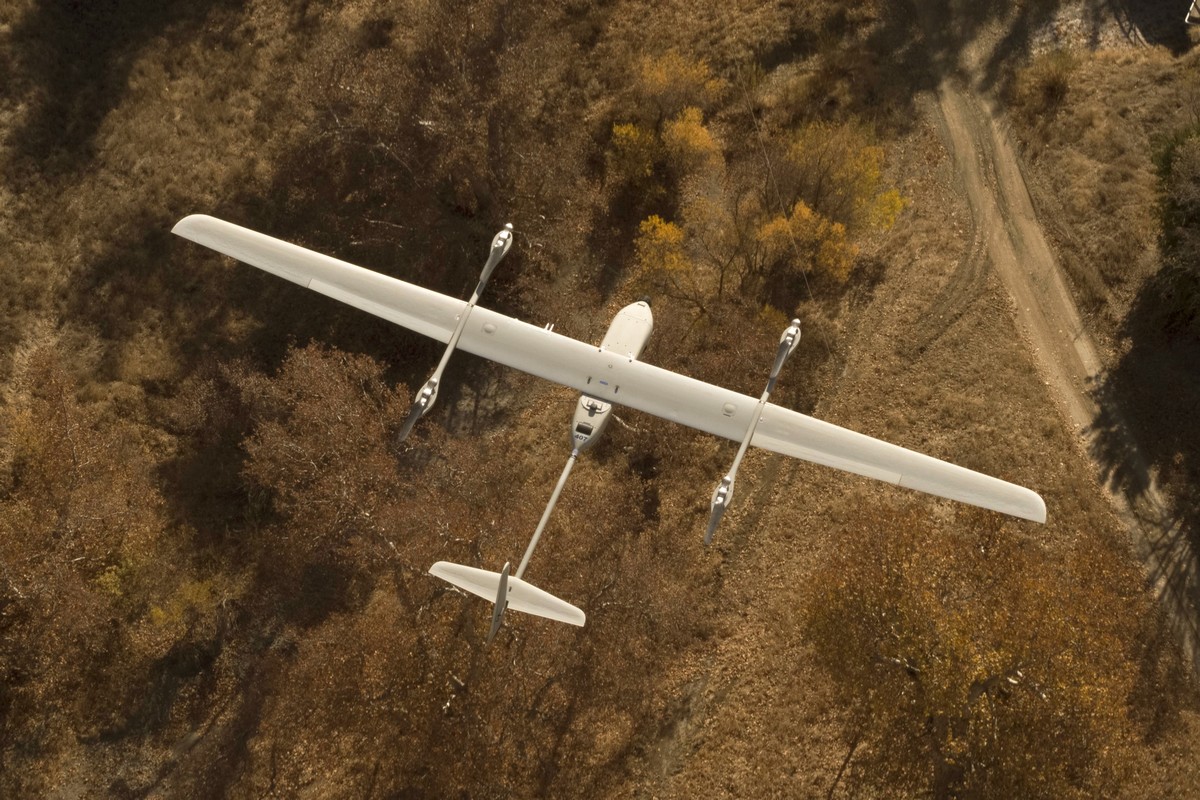
Aircraft already procured under the TIQUILA program include the Stalker VXE 30, a near-silent, long-endurance drone weighing under 20 kilograms, and the Indago, a backpack-sized aircraft weighing less than eight kilograms that can be deployed rapidly. Records indicate that 99 Stalker units and 15 Indago units were ordered, with deliveries commencing in March 2023. Full operational capability for four Future Soldier batteries was initially expected this year, as reported when the contract was first signed.
Brigadier Pete Drew, the Army’s senior responsible owner for the TIQUILA program, previously stated that the contract “will bring the next generation of remotely piloted air systems into service in the Army,” with the aim of accelerating decision-making and enhancing the force’s lethality, responsiveness, and resilience.
Raising the maximum take-off weight ceiling to 50 kilograms represents a significant leap, moving the contract beyond the capabilities of currently deployed drones and into a class of aircraft capable of carrying substantially heavier sensor payloads and undertaking longer endurance missions. The confirmation of Beyond Visual Line of Sight (BVLOS) operations is equally critical. Louise Sandher-Jones, the Minister for the Armed Forces, recently informed Parliament that military BVLOS flights utilize temporary segregated airspace, notified via standard pilot warning systems, or permanent segregated airspace such as designated danger areas. She clarified that the Civil Aviation Authority (CAA) maintains responsibility for all airspace within the United Kingdom.
Why This Matters
The British Ministry of Defence’s decision to expand its mini-drone contract with Lockheed Martin UK without a new competition carries significant implications for the UK’s military capabilities, procurement practices, and its strategic position in an evolving global security landscape.
Firstly, the increased maximum take-off weight from 20kg to 50kg, combined with confirmed BVLOS capabilities, represents a substantial upgrade in the British Army’s uncrewed air system (UAS) capabilities. Drones capable of carrying heavier payloads can accommodate more advanced and diverse sensors, including high-resolution cameras, sophisticated electronic warfare equipment, or even small precision munitions (though the contract is currently focused on ISTAR). This enhances their utility for extended intelligence gathering, surveillance over larger areas, and more precise target acquisition, directly impacting the lethality and responsiveness Brigadier Drew highlighted. BVLOS operations further extend this reach, allowing drones to operate far beyond the line of sight of their ground controllers, crucial for modern expeditionary warfare and reconnaissance in contested environments.
Secondly, this modification underscores the rapid pace of technological advancement in drone warfare. By adapting an existing contract, the MoD aims to quickly integrate cutting-edge capabilities, ensuring the British Army remains at the forefront of military technology. This strategic agility is vital in an era where adversaries are also rapidly developing and deploying advanced drone systems. The emphasis on a “vertical evolution” rather than a “horizontal expansion” suggests a commitment to enhancing core functionalities within the established framework, rather than acquiring entirely new types of systems.
Thirdly, the decision to avoid a new competitive tender, while legally justified by the MoD under specific procurement regulations, raises questions about competitive fairness and market access. While the MoD highlights its “voluntary transparency” and the contract’s “flexible supply-chain arrangements” to engage new entrants, relying on a single prime contractor (Lockheed Martin UK) for an expanded scope could limit opportunities for other innovative British defence companies to bid for a potentially larger, more capable drone programme. However, the MoD’s argument of preserving the “commercial model” and “modular architecture” suggests a balance between rapid capability integration and leveraging existing relationships.
Finally, the confirmation of BVLOS operations brings regulatory and safety considerations to the forefront. While military flights often operate in segregated airspace, the increasing prevalence and sophistication of drones necessitate robust coordination with civil aviation authorities. Minister Sandher-Jones’s comments on the Civil Aviation Authority’s responsibility underscore the ongoing challenge of safely integrating military drone operations into national airspace, especially as these systems become more autonomous and their flight envelopes expand. This move signals a proactive approach to developing the operational and regulatory frameworks required for advanced drone deployment, positioning the UK to exploit the full potential of these transformative military assets.