
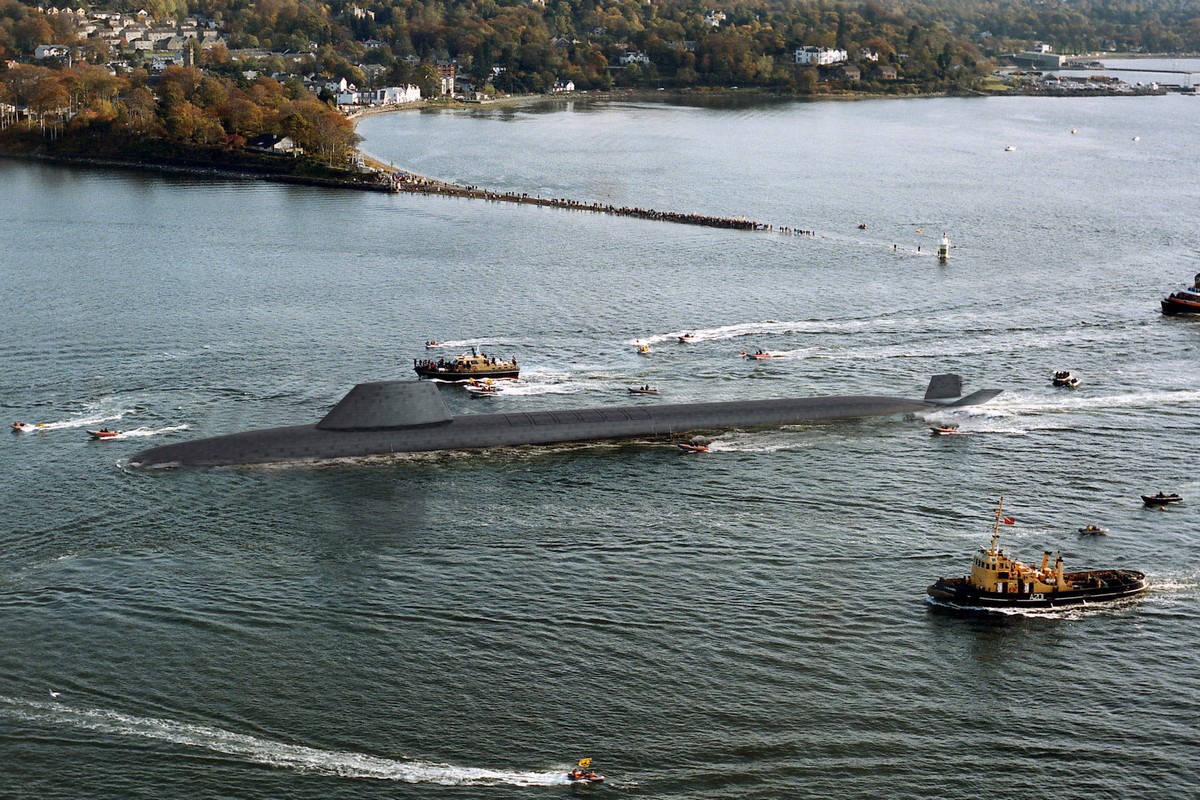
UK Ministry of Defence Maintains Secrecy on Dreadnought Submarine Sea Trials Timetable
The Ministry of Defence (MOD) has opted not to disclose the specific commencement date for sea trials of HMS Dreadnought, the lead submarine in the United Kingdom’s next generation of nuclear-powered ballistic missile submarines. Citing concerns that such disclosure could compromise the “capability, effectiveness or security of the Armed Forces,” the MOD maintained a broad timeline for the vessel’s operational readiness.
This position was articulated in a written parliamentary response to Conservative MP Ben Obese-Jecty, who had sought a precise year for the initial Dreadnought-class submarine’s sea trials. Defence Minister Luke Pollard firmly stated, “Providing the dates of sea trials for the Dreadnought class would, or would be likely to, prejudice the capability, effectiveness or security of the Armed Forces.” This response underscores the highly classified nature surrounding key aspects of the UK’s nuclear deterrent programme, a standard protocol for sensitive defence projects aimed at safeguarding operational security.
While declining to narrow the timeline for trials, the Ministry reiterated that HMS Dreadnought is projected to enter service in the “early 2030s,” a timeframe consistent with previous government announcements regarding the replacement of the current Vanguard-class submarines. This broad timeline indicates the government’s commitment to the strategic programme while simultaneously adhering to strict security protocols concerning its execution.
HMS Dreadnought is the first of four submarines slated for construction under the programme designed to replace the Royal Navy’s aging Vanguard-class fleet. These new submarines are integral to sustaining the UK’s Continuous At Sea Deterrent (CASD), a fundamental cornerstone of British defence policy since 1969. CASD ensures that at least one nuclear-armed submarine is on patrol at all times, providing a constant deterrent against potential adversaries. The Dreadnought class will eventually assume the critical responsibility of carrying the UK’s submarine-launched nuclear deterrent, thereby guaranteeing the nation’s strategic security posture for decades to come.
Sea trials represent a pivotal and extensive phase in the development and commissioning of any naval vessel, particularly one as complex and strategically vital as a ballistic missile submarine. Following the intricate stages of construction and initial commissioning activities, these trials involve rigorous testing of the submarine’s myriad systems in a real-world maritime environment. This includes propulsion, navigation, communication, sonar, weapon systems integration, and life support. Engineers and crew meticulously evaluate the vessel’s performance, identify any potential issues, and ensure that all components meet stringent operational and safety standards. The successful completion of sea trials is a mandatory prerequisite before the first Dreadnought-class boat can be formally declared operational and begin its service protecting national interests, marking the culmination of years of design, engineering, and construction.
The parliamentary inquiry from MP Obese-Jecty followed an earlier announcement in July by the MOD detailing an £8.4 billion investment into the broader UK nuclear deterrent programme. This substantial financial commitment highlights the immense scale, cost, and strategic priority assigned to maintaining and modernising the country’s independent nuclear capability. The replacement of the Vanguard class is not merely an upgrade but a generational shift in naval technology, designed to deliver a robust and credible deterrent well into the latter half of the 21st century. The government has consistently emphasized that the Dreadnought programme remains on track to ensure the seamless transition of deterrent responsibilities from the Vanguard class, which are nearing the end of their operational lifespan. The sheer magnitude of the project, both in terms of expenditure and technical complexity, necessitates careful oversight, even as specific operational details are kept confidential for national security reasons.
Why This Matters
The Ministry of Defence’s decision to withhold specific dates for HMS Dreadnought’s sea trials, while maintaining a broad operational timeline, carries significant implications across several critical domains:
- National Security and Deterrence:The Dreadnought-class submarines are the future of the UK’s Continuous At Sea Deterrent (CASD), the ultimate guarantor of its national security. Any delays or significant issues with the programme could impact the credibility and effectiveness of this deterrent. The government’s insistence on secrecy regarding trial dates reflects the paramount importance of denying potential adversaries intelligence that could compromise the submarines’ operational capabilities or security, directly affecting the UK’s strategic posture and its ability to deter threats.
- Taxpayer Investment and Accountability:With an £8.4 billion investment already announced for the nuclear deterrent programme, and the overall cost running into tens of billions, the Dreadnought project represents one of the largest and most expensive defence procurements in UK history. While national security justifies some secrecy, the lack of specific timelines for key milestones like sea trials can raise questions about parliamentary oversight and public accountability for such a vast expenditure. Taxpayers ultimately bear the cost, and debates often emerge regarding the balance between security imperatives and transparency.
- Industrial Capability and Employment:The construction of the Dreadnought submarines supports thousands of highly skilled jobs across the UK, particularly in regions with significant shipbuilding and nuclear engineering capabilities. The programme is a long-term investment in the nation’s defence industrial base, sustaining critical expertise and advanced technological development. Delays or significant issues could impact these industries and the workforce, highlighting the programme’s wider economic footprint.
- Technological Complexity and Risk:Ballistic missile submarines are among the most complex machines ever built. Sea trials are a crucial period for identifying and rectifying potential technical challenges. While secrecy is maintained for security, the inherent complexity means there are always risks of unexpected issues that could affect timelines and costs. The successful completion of these trials is essential for proving the submarine’s design and operational readiness, and any setbacks could have ripple effects across the entire programme.
- Geopolitical Standing:As one of the few nations maintaining an independent nuclear deterrent and a permanent member of the UN Security Council, the UK’s ability to deliver on its strategic defence programmes has implications for its international standing and its role within alliances like NATO. A robust and credible deterrent signals stability and resolve on the world stage, influencing international relations and diplomatic leverage.
This ongoing development highlights the inherent tension between the operational demands of national security and the principles of parliamentary scrutiny and public transparency in democratic governance, especially concerning projects of such immense strategic, technological, and financial significance.