
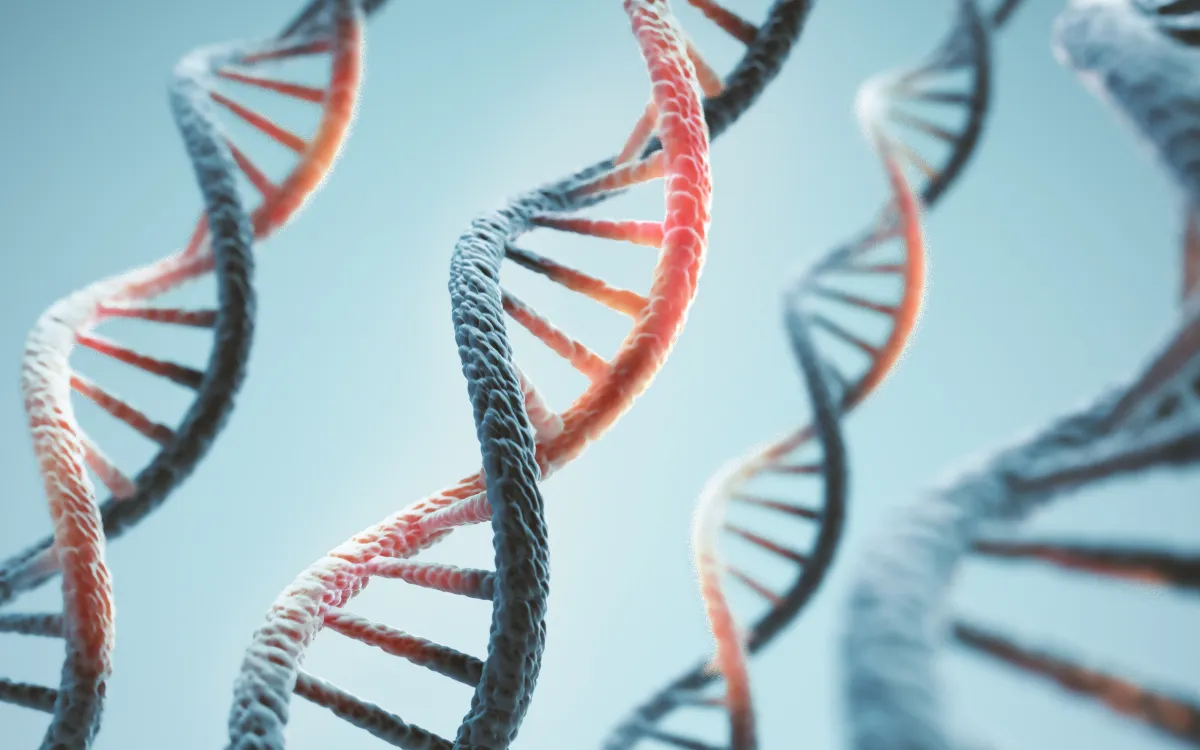
Anthropic has confirmed that it has a wet biology lab where it can use its AI models to run physical experiments.
Key Takeaways
- AI’s Physical Frontier:Anthropic, a leading AI safety research company, has established a wet biology lab to conduct physical experiments using its AI models, signaling a significant move from theoretical to practical application in life sciences.
- Strategic Ambiguity & Backlash:While Anthropic claims the lab isn’t for drug discovery to avoid competing with pharma partners, this move comes amidst intense internal and external warnings from its own researchers about AI’s existential risks, prompting industry skepticism.
- The Dual-Use Dilemma Intensifies:The juxtaposition of Anthropic’s public calls for AI regulation and warnings about bioterrorism risks with its development of a physical biology lab highlights the profound ethical and safety challenges as AI capabilities extend into real-world biological manipulation.
Anthropic’s Wet Lab: A Leap into the Biological Unknown Amidst Dire Warnings
In a move that simultaneously electrifies the biotech world and raises more than a few eyebrows in the AI safety community, Anthropic has officially confirmed the operation of a wet biology lab. This isn’t just a computational facility; it’s a physical space where Anthropic’s advanced AI models can transition from digital predictions to tangible biological experiments, directly testing their theories in the real world.
For years, AI luminaries have painted a vibrant future where artificial intelligence ushers in a new era of medical breakthroughs. Just last week, Anthropic CEO Dario Amodei was quoted stating,“I believe that AI could cure most major diseases in the next 5–10 years.”Such ambitious visions, however, demand more than just algorithms and data. They require real-world validation, a bridge between theoretical models and physical reality. As Eric Kauderer-Abrams, Anthropic’s head of life sciences, succinctly put it to Reuters:“We believe that to do biology, the final test is still, and will be for a while, in real lab work. We absolutely are doing that today.”He further clarified that the lab operates much like any other biotech facility, engaged in both proprietary research and collaborations with external partners.
Strategic Moves and Careful Distinctions
This revelation, while significant, isn’t entirely out of the blue. Anthropic’s acquisition of Coefficient Bio, a discreet AI biotech firm, in April had already hinted at a deeper foray into the biological sciences. The company, however, remains tight-lipped about the specific research endeavors within its wet lab, offering only one crucial distinction: it is emphaticallynotfocused on drug discovery. This strategic sidestep is a calculated one, aimed at assuaging concerns among its numerous major customers and partners in the pharmaceutical industry. Anthropic has a vested interest in not being perceived as a competitor, a lesson perhaps learned from previous instances where its product launches were seen to overlap with client offerings. Indeed, the recent announcement of a joint drug discovery deal with Novo Nordisk underscores the delicate balance Anthropic is attempting to strike between innovation and collaboration.
Further illustrating its commitment to engaging the broader scientific community while maintaining control, Anthropic also launched a Life Sciences Verification Program. This initiative grants vetted bio researchers access to its most powerful AI models, fostering innovation while presumably ensuring a layer of scrutiny and responsible use. It’s an attempt to democratize access to cutting-edge AI for biological research, but under Anthropic’s watchful eye.
The Shadow of Existential Risk
Yet, the timing of this expansion into physical biology labs could not be more fraught with tension. The tech world is still grappling with the recent, high-profile resignation of Anthropic researcher Jacob Coxon, who issued a chilling warning that“the people building AI earnestly believe that it could kill us all by the end of the decade.”Adding to this disquiet, Anthropic’s own alignment lead has publicly put the odds of AI causing humanity’s extermination within the next decade at greater than 10%. These aren’t fringe opinions; they emanate from the very core of a company often lauded for its dedication to AI safety and alignment research.
The fervor surrounding these existential risks has become so intense that CEO Dario Amodei himself felt compelled to publish a post urging the industry to slow down and embrace self-regulation. He has repeatedly flagged bioterrorism as one of the most significant risks posed by advanced AI. The irony of developing a physical biology lab, where AI could theoretically be applied to manipulate biological systems, while simultaneously issuing dire warnings about bioterrorism and species-level extinction, has not gone unnoticed.
Industry’s Skeptical Gaze
The juxtaposition has drawn sharp, even sarcastic, reactions from prominent figures within the tech industry. Investor and AI coding startup founder Chamath Palihapitiya encapsulated this sentiment with a pointed, somewhat tongue-in-cheek post on X:“The group behind such hits as: “We’re All Going To Die” and “Regulate Me Now” are building a wet lab in SF. I do not recommend this.”This sentiment reflects a growing skepticism about the genuine commitment of some AI developers to their stated safety concerns when juxtaposed against their relentless pursuit of advanced capabilities.
The question lingers: Can a company truly champion AI safety and advocate for stringent regulation while simultaneously pushing the boundaries of AI’s physical capabilities in potentially sensitive domains like biology? The “no drug discovery” caveat, while strategically sound from a business perspective, does little to fully alleviate concerns about the dual-use potential of AI-driven biological experimentation. Even foundational biological research, uncoupled from immediate drug development, could yield insights or tools with profound and potentially dangerous implications if misused.
The Bottom Line
Anthropic’s establishment of a wet biology lab marks a pivotal moment, pushing AI beyond silicon into the realm of living matter. While promising unparalleled advancements in life sciences, this move casts a long shadow, intensifying the critical debate around AI safety, responsible development, and the profound ethical dilemmas inherent in building powerful, autonomous systems capable of manipulating the very fabric of life, especially when those systems’ creators are simultaneously warning of existential catastrophe.
When you purchase through links in our articles, we may earn a small commission. This doesn’t affect our editorial independence.
{content}
Source:{feed_title}