
Key Takeaways
- Strategic Marketing Investment:Hard Mountain Dew’s $1 million “Bigfoot Bounty” represents a significant, yet highly efficient, marketing expenditure designed to generate massive earned media, foster user-generated content, and cultivate viral buzz in a hyper-competitive alcoholic ready-to-drink (ARTD) market.
- Targeted Consumer Engagement:The campaign leverages a blend of nostalgia, adventure, and digital interactivity, directly appealing to a millennial and Gen Z demographic that values unique experiences and social sharing, thereby differentiating the brand from traditional beverage advertising.
- Brand Differentiation in a Saturated Market:By embracing an unconventional and highly shareable promotion, Hard Mountain Dew aims to carve out a distinct identity within the crowded flavored malt beverage (FMB) sector, driving brand awareness and potentially increasing market share without the exorbitant costs of sustained traditional advertising.
Check out what’s clicking on FoxBusiness.com.
In a bold move that highlights the increasingly inventive strategies deployed in the highly saturated beverage market, Hard Mountain Dew has announced a audacious $1 million prize for verified proof of Bigfoot’s existence. This isn’t just a quirky promotion; it’s a shrewd marketing gambit designed to cut through the noise, generate invaluable earned media, and deeply engage a key demographic for the alcoholic ready-to-drink (ARTD) segment.
The “Bigfoot Bounty” promotion, which commenced Wednesday and runs through November 30, positions the brand not merely as a beverage provider, but as a facilitator of “bold experiences,” a direct quote from Erica Taylor, senior brand director for Hard Mountain Dew. This statement is a cornerstone of the brand’s identity, attempting to resonate with consumers who seek adventure and novelty, particularly within the 21-and-over demographic.
This initiative represents a calculated investment in experiential marketing, diverging from traditional, high-cost advertising channels. While a $1 million prize seems substantial, the probability of payout is astronomically low, making the campaign’s true value lie in the immense public relations, social media virality, and user-generated content it’s designed to inspire. Compared to the multi-million dollar budgets typically allocated for national TV spots or extensive digital ad buys, this campaign offers a potentially superior return on investment (ROI) through widespread organic discussion and media attention.
The alcoholic ready-to-drink market, encompassing hard seltzers, flavored malt beverages (FMBs), and canned cocktails, has exploded in recent years, leading to fierce competition and a deluge of new product launches. Brands like White Claw, Truly, and Smirnoff Ice dominate shelf space, forcing newer entrants like Hard Mountain Dew – a joint venture between PepsiCo and The Boston Beer Company – to innovate aggressively to capture consumer mindshare. The Bigfoot campaign serves as a powerful differentiator, leveraging cultural curiosity and a sense of playful escapism to stand out in a crowded field.
Entries for the grand prize require compelling evidence evaluated against standards developed with Bigfoot researcher Bryce Johnson. This structured approach, demanding at least four types of supporting material such as footprints, handprints, thermal imaging, hair samples, audio recordings, environmental evidence, and photographs, not only adds a layer of credibility (however tongue-in-cheek) but also encourages deeply interactive engagement. Participants become de facto brand ambassadors, actively participating in a quest that is inherently shareable across social platforms, thereby amplifying the brand’s reach exponentially.
Even without a definitive Bigfoot discovery, the campaign ensures broader participation and goodwill through smaller incentives. One hundred entrants will receive the cash equivalent of a free 12-pack of Hard Mountain Dew. This tactic broadens the appeal beyond the long-shot grand prize, encouraging more casual engagement and ensuring that a wider base of consumers feels recognized and rewarded, further fostering brand loyalty and positive sentiment. Erica Taylor underscores this, stating, “Whether you catch Bigfoot or just catch a good story trying, there’s nothing better than an ice-cold Hard Mountain Dew at the end of the hunt,” reinforcing the brand’s connection to post-adventure refreshment.
The choice of Bigfoot itself is a strategic masterstroke. Legends of the creature, particularly prevalent in the Pacific Northwest, tap into a deep vein of American folklore and an enduring fascination with the unknown. This cultural touchstone aligns perfectly with Hard Mountain Dew’s outdoorsy, adventurous brand image and provides a natural tie-in for a fall marketing campaign, a season often associated with hiking, camping, and exploring wilderness. It transforms a simple product into a narrative, inviting consumers to be part of a larger story.
For PepsiCo and The Boston Beer Company, this venture into the alcoholic beverage space through Hard Mountain Dew represents a significant strategic diversification. Leveraging the immense brand equity of Mountain Dew in a new category requires innovative marketing. This Bigfoot bounty is a prime example of how established companies are adapting their playbooks to engage younger consumers who are increasingly swayed by authentic experiences, viral content, and brands that align with their lifestyle and values, rather than just traditional advertising.
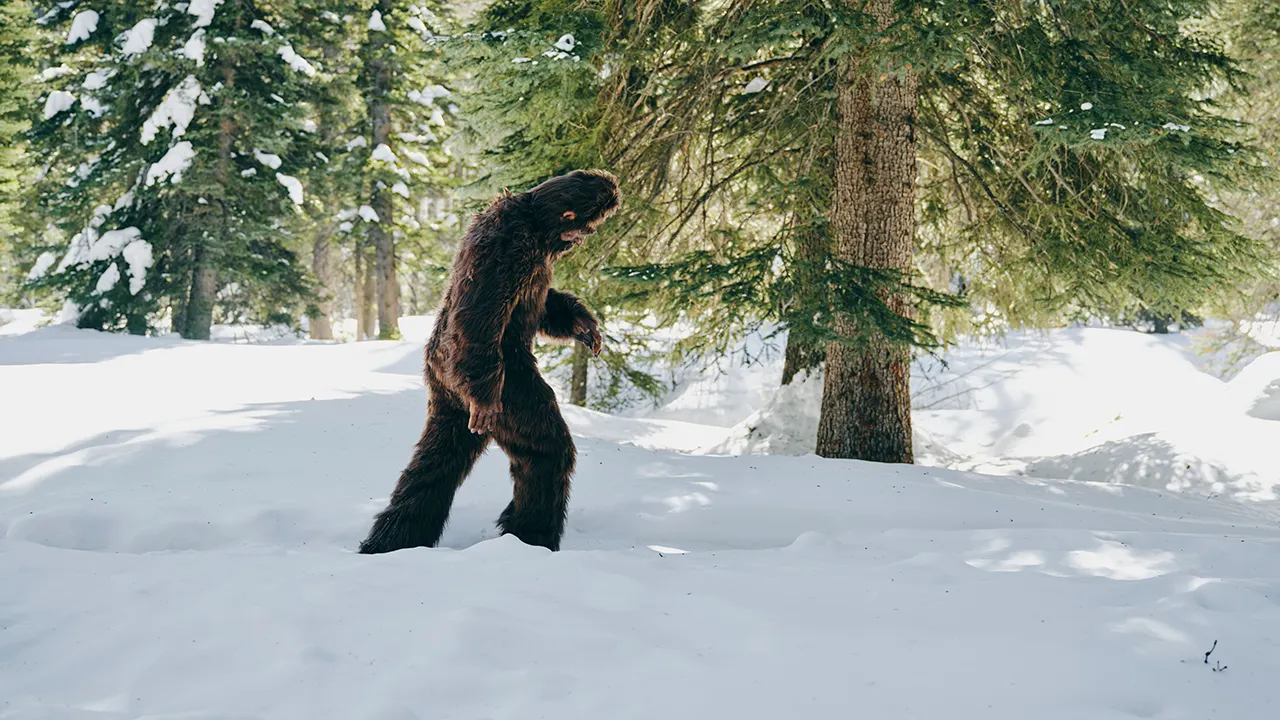
Hard Mountain Dew recently announced it is offering a $1 million prize to anyone who can provide verified proof that Bigfoot exists.(Hard Mountain Dew)
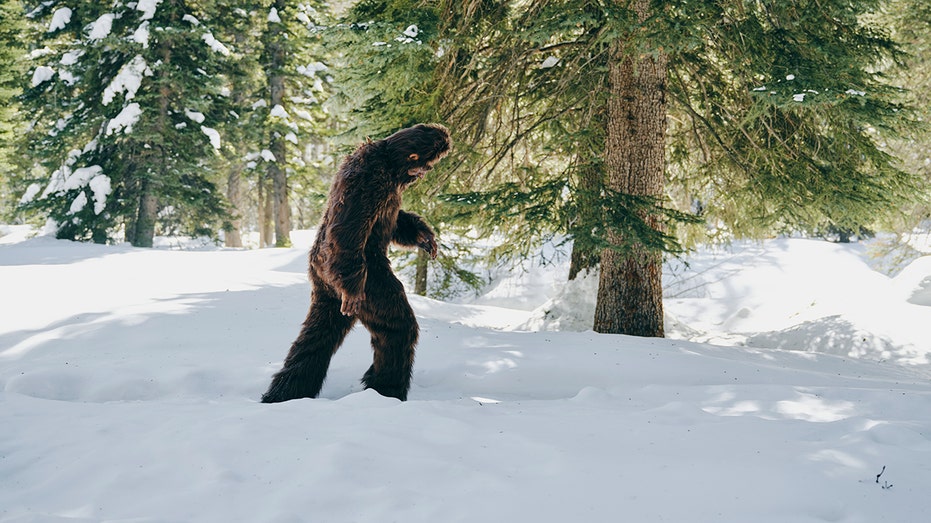
Examples listed by the company include alleged Bigfoot footprints, handprints, thermal imaging, hair samples, audio recordings, environmental evidence and photographs purportedly showing the creature.(iStock)
Even if no one claims the grand prize, the company said 100 entrants will receive the equivalent of a free 12-pack of Hard Mountain Dew in the form of cash.(iStock)
GET FOX BUSINESS ON THE GO BY CLICKING HERE
Market Impact
This innovative marketing campaign by Hard Mountain Dew is poised to generate significant ripple effects across the beverage industry. It sets a precedent for how brands, particularly those in highly competitive sectors like ARTDs, can achieve disproportionate marketing impact through clever, culturally resonant, and highly shareable promotions. Competitors may be compelled to rethink their own advertising strategies, moving away from conventional media buys towards more experiential, interactive, and viral-driven campaigns. The success of the “Bigfoot Bounty” could accelerate a broader industry shift towards engaging consumers through gamification and user-generated content, ultimately raising the bar for brand differentiation and requiring greater creativity in marketing investment allocation. For Hard Mountain Dew, it’s a clear signal of its intent to aggressively expand its market footprint and carve out a distinctive niche in a dynamic and evolving consumer landscape.