

BEP Research founder Ben Pouladian analyzes the technology stock selloff and concerns surrounding artificial intelligence infrastructure on ‘Making Money.’
**Key Takeaways:**
1. **Political Shift Triggers Market Volatility**: A Democratic sweep in the midterm elections sparked a dramatic market sell-off, with investors reacting to anticipated shifts in policy and regulatory landscapes, particularly concerning high-growth sectors.
2. **AI & Tech Sector Under Pressure**: Artificial intelligence and broader technology stocks bore the brunt of the decline, driven by acute concerns over potential increased regulation, the sustainability of massive infrastructure investments, and rising operational costs like energy.
3. **Valuation Re-evaluation Amid Uncertainty**: The sharp correction reflects a broader re-evaluation of elevated valuations in growth stocks, as political uncertainty combines with growing scrutiny over the long-term profitability and capital intensity of the AI boom.
Wall Street experienced a dramatic reversal Thursday, suffering its sharpest losses since April 2025, as a sweeping Democratic victory in the midterm elections sent shockwaves through the equities market. The pronounced downturn signaled a clear shift in investor sentiment, moving from cautious optimism to outright apprehension regarding future policy directions and their implications for corporate profitability, particularly within the burgeoning technology sector.
Former President Donald Trump swiftly attributed the market plunge to the Democrats’ electoral gains, arguing on Truth Social that the results had directly impacted Americans’ retirement savings. “The Stock Market suffered one of the Worst Days in History based on the results of the Election,” Trump wrote, emphasizing the perceived immediate and negative correlation between the election outcome and investor confidence.
“Such a sad thing to watch! It took so much work to get us to a level that no one has ever seen before, and then this,” he continued. “Your 401(k)s have, therefore, dropped.” His remarks underscore the populist concern over market volatility and its tangible effect on household wealth, a frequent talking point used to frame economic performance within a political context.
STOCKS PLUNGE AS DEM MIDTERM SWEEP FUELS AI REGULATORY CONCERNS
President Donald Trump blamed Democrats’ sweeping midterm election victories for Thursday’s sharp stock market sell-off, warning that Americans’ retirement savings had taken a hit.(Reuters/Elizabeth Frantz / Reuters)
Trump continued to lash out at Democrats, squarely placing the blame for Thursday’s losses on the party’s election gains, which included securing control of both the House and Senate. “Remember, it wasn’t Republicans, it was Dumocrats,” he wrote, attempting to delineate clear partisan responsibility for market performance. “Do not fear, however, we will soon, one way or the other, be BIGGER AND STRONGER THAN EVER BEFORE.”
The market’s reaction was undeniably severe. U.S. stocks plunged, with the Dow Jones Industrial Average plummeting an staggering 1,833 points, a decline of 3.44%. The Nasdaq Composite, heavily weighted with technology and growth stocks, suffered an even more precipitous fall of 5.52%, marking its worst single session since April 2025. The broader S&P 500 also declined significantly by 4.36%, while the Nasdaq officially entered correction territory, closing more than 10% below its October record high – a technical indicator signaling a pronounced bearish trend for the tech-heavy index.
HOW DEMOCRATS’ MIDTERM GAINS COULD RESHAPE THE POLITICAL LANDSCAPE FOR AI
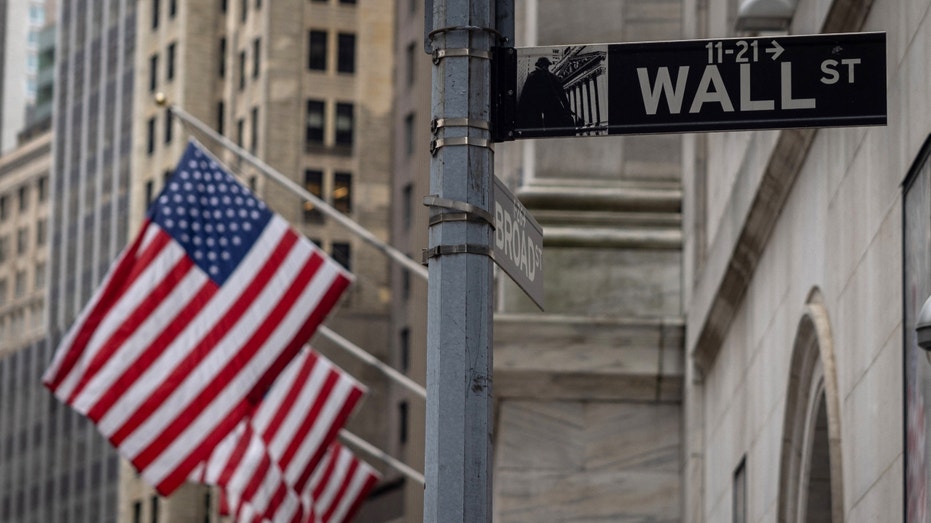
The Dow Jones Industrial Average plunged 1,833 points, or 3.44%, Thursday as U.S. stocks suffered steep losses following the midterm elections.(Yuki Iwamura/AFP via Getty Images / Getty Images)
The sell-off was acutely concentrated in technology and artificial intelligence stocks, as investors rapidly re-evaluated the potential ramifications of a Democratic-controlled Congress. The primary concern centered on the prospect of heightened regulatory scrutiny and potential legislative action targeting the AI sector. This fear manifested in significant declines for industry leaders: Nvidia, a bellwether for AI innovation and chip manufacturing, fell more than 9%, while the broader Philadelphia Semiconductor Index, a key gauge of chip industry health, plunged more than 12%, as FOX Business previously reported. These declines reflect fears that new regulations could impact everything from data privacy and algorithmic bias to antitrust enforcement and environmental impact of massive data centers, potentially slowing growth and increasing operational costs for these highly valued companies.
| Ticker | Security | Last | Change | Change % |
|---|---|---|---|---|
| I:DJI | DOW JONES AVERAGES | 51523.06 | -1,833.06 | -3.44% |
| SP500 | S&P 500 | 7353.73 | -334.89 | -4.36% |
| I:COMP | NASDAQ COMPOSITE INDEX | 24314.997303 | -1,421.52 | -5.52% |
“The obvious catalyst for the sharp selloff is that markets are pricing in the midterm results,” noted eToro market analyst Jakub Rochlitz. This immediate reaction highlights the market’s sensitivity to political shifts, especially when they portend significant policy changes that could affect corporate operating environments and future growth trajectories. Notably, this market downturn came just one day after stocks had rallied, a fleeting “relief rally” that quickly evaporated as the full implications of the election results sank in, wiping out the previous session’s gains and underscoring the extreme volatility currently gripping investors.
Beyond the election results, a deeper layer of concern has been brewing among investors regarding the sustainability of the enormous borrowing and spending fueling the current AI boom. Technology companies are investing vast sums in expanding data centers and developing advanced AI infrastructure. However, this capital-intensive expansion is occurring amid rising energy costs – a critical operational expense for these power-hungry facilities – and an overarching uncertainty over the future returns on these massive investments. The specter of a slowing global economy, coupled with potentially higher interest rates, adds further pressure on growth-oriented companies that rely heavily on accessible and affordable capital for their ambitious expansion plans.
CLICK HERE TO DOWNLOAD THE FOX NEWS APP
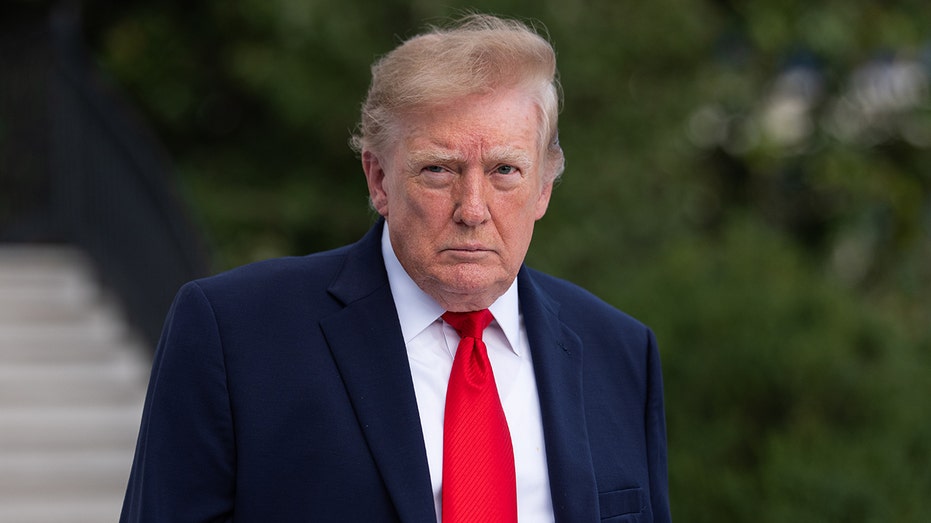
President Donald Trump criticized Democrats following a massive Wall Street sell-off that sent the Dow Jones Industrial Average down more than 1,800 points Thursday.(Aaron Schwartz/Getty Images / Getty Images)
FOX Business’ Sophia Compton and Eric Revell contributed to this report.
Market Impact:
The dramatic market sell-off following the Democratic midterm sweep signals a period of heightened uncertainty and potential re-calibration for investors. In the near term, expect continued volatility, particularly within the technology and growth sectors, as the market digests the implications of a potentially more interventionist regulatory environment. Companies heavily invested in AI infrastructure and data processing may face increased scrutiny regarding their environmental footprint, data privacy practices, and potential for monopolistic behavior. This could lead to a rotation out of high-flying tech stocks towards more defensive sectors or companies with clearer earnings visibility and less regulatory exposure. Mid-term, the focus will shift to tangible legislative proposals from the new Congress. Any concrete moves towards stricter AI regulation, antitrust enforcement, or increased corporate taxation could further dampen investor sentiment and force companies to adjust their business models and investment strategies. Long-term, while the fundamental innovation in AI is unlikely to stop, the pace and nature of its development could be significantly shaped by policy decisions. Investors will increasingly prioritize companies demonstrating sustainable growth, robust governance, and adaptability to evolving regulatory landscapes, potentially leading to a more discerning approach to tech valuations that moves beyond pure speculative enthusiasm.