
Welcome back toTechCrunch Mobility, your essential dispatch on the rapidly evolving world of transportation, where the lines between cutting-edge AI and practical deployment are increasingly blurring.
Key Takeaways
- Diverse Scaling Strategies Emerge:Autonomous vehicle (AV) companies are employing distinct approaches to commercialization, from strategic OEM partnerships for broad market reach (Wayve) to concentrated geographic expansion (Waymo) and hybrid models for specific niches like trucking (Aurora).
- Safety and Operational Challenges Persist:The transition from testing to commercial deployment is not without significant hurdles, as highlighted by the concerning carbon dioxide exposure incident involving Zoox’s test fleet, underscoring the critical importance of robust safety protocols.
- Global Investment and IPO Activity Accelerate:The mobility sector is a hotbed of financial activity, with a wave of international companies eyeing IPOs and significant funding rounds, signaling strong investor confidence despite the complexities of AV development.
The Road to Autonomy: From Labs to Livelihoods
The vision of ubiquitous autonomous vehicles remains a future promise, not a present reality – a point often debated by those immersed in the tech hubs of places like the San Francisco Bay Area. While fully driverless cars aren’t yet mainstream, the industry has undeniably shifted gears, accelerating from pure research and development into active commercialization. This pivotal transition demands a keen focus on scale, and as we observe the landscape, several distinct strategies are beginning to crystalize, defining how these companies plan to bring their advanced technology to a broader audience.
Charting the Path to Scale: Partnerships, Concentration, and Hybrid Models
The journey from innovative prototype to widespread commercial product is intricate, requiring immense capital, technological prowess, and strategic market entry. Companies are carving out unique pathways to achieve this scale:
Scale Through Strategic Partnerships: The Wayve Approach
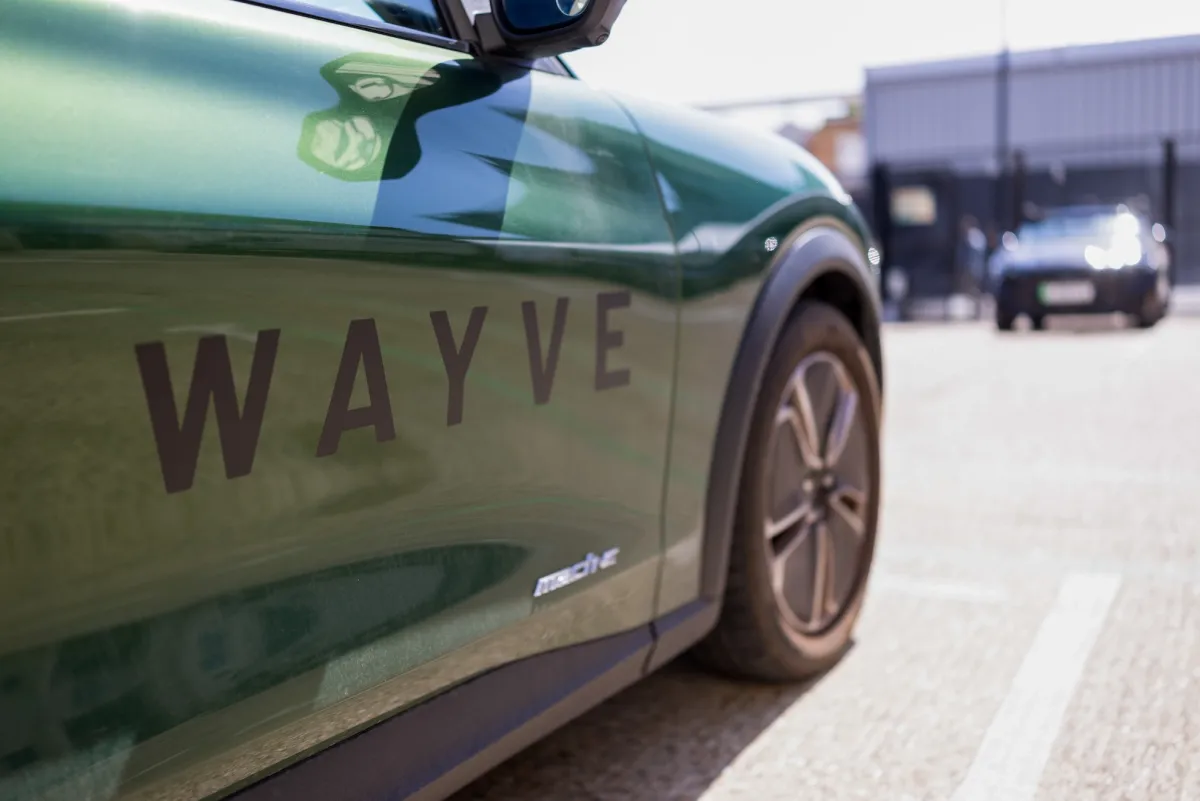
One prominent strategy involves forging commercial partnerships with established industry players. This week,Wayveexemplified this by securing a significant commercial partnership withMercedes-Benz. This collaboration will see Wayve’s automated driving technology integrated into at least one Mercedes-Benz model within the next two years. Crucially, this is a Level 2 product, meaning it assists with specific driving maneuvers while still requiring human driver engagement. While not the fully driverless Level 4 autonomy that often grabs headlines, this Level 2 integration offers Wayve critical reach, market validation, and valuable real-world data collection. It builds on similar foundational deals with Nissan and Stellantis, which have also paved the way for Wayve’s more ambitious Level 4 goals. Earlier this year, for instance, Wayve announced a partnership with Nissan and Uber to launch a robotaxi service in Tokyo, illustrating a multi-tiered scaling strategy: building market presence with advanced driver-assistance systems (ADAS) while simultaneously developing and deploying fully autonomous services in select markets.
Widespread Reach, Concentrated Effort: Waymo’s Calculated Expansion
In contrast to a broad partnership approach,Waymo’sstrategy for robotaxi ramp-up appears expansive in its stated ambitions for geographic reach and ridership, yet remarkably concentrated in its execution. Our recent analysis of vehicle registration data reveals a telling trend: approximately 80% of Waymo’s roughly 4,000 robotaxis are currently deployed in just two states – California and Texas. The rapid growth in Texas is particularly notable, with Waymo’s fleet there expanding by over 49% in just the last three weeks. This “widespread yet concentrated” approach allows Waymo to achieve operational efficiency, accumulate dense localized data, and refine its service in specific, high-potential markets before broader rollouts. Furthermore, Waymo is also strategically expanding its user base by seeking out new demographics, such as teenagers, thereby broadening the appeal and potential market for its autonomous ride-hailing services.
Hybrid Scaling in Niche Markets: Aurora’s Trucking Focus
Operating in the crucial but distinct realm of self-driving trucks,Aurorademonstrates a hybrid strategy. While clearly focused on specific corridors, particularly within Texas – a critical logistics hub – the company has also cast a wide net for partners across the freight ecosystem. CEOChris Urmsonrecently expressed strong confidence in the company’s scaling trajectory, declaring that Aurora has “emerged from the building stage.” The company has set ambitious targets, aiming for more than 200 driverless trucks in operation by the end of this year, and an impressive goal of over 30,000 driverless trucks by 2030. This blend of geographic focus and robust partnership development positions Aurora to capitalize on the immense potential of autonomous long-haul trucking.
Navigating the Human Element and Safety: The Zoox Incident
Beyond the impressive technological advancements and commercial strategies, the autonomous vehicle industry grapples with the critical imperative of safety. What often starts as “a little bird” – a small yet notable piece of insider information – can sometimes evolve into a significant revelation, shedding light on the real-world challenges of deployment. Such was the case a few weeks ago, whenZooxworkers reached out to senior reporter Sean O’Kane with alarming reports from the company’s test fleet in Atlanta.
The crux of the matter: workers were reporting illness, suspecting exposure to harmful gases within the company’s Toyota Highlander SUVs, which are equipped with Zoox’s self-driving system. Following repeated incidents, one worker filed a complaint with theOccupational Safety and Health Administration (OSHA), prompting an inquiry and a directive for Zoox to investigate the potential exposures. While Zoox ultimately grounded its Atlanta test fleet and stated it only found evidence of CO2 in the vehicles, the incident underscores the continuous operational and safety complexities inherent in testing and deploying autonomous technology. It serves as a stark reminder that even as AVs advance, the well-being of the human operators and the rigor of safety protocols remain paramount.
Got a tip for us? Email Kirsten Korosec at kirsten.korosec@techcrunch.com or my Signal at kkorosec.07, or email Sean O’Kane at sean.okane@techcrunch.com.
The Money Movers: Deals, Funding, and IPOs in Mobility

While Wall Street may be fixated on the public market debut of the buzziest AI firms, significant IPO activity and robust deal-making are unfolding across the broader transportation and mobility sectors. This financial dynamism is global, with a notable concentration of companies outside the United States preparing for public listings.
For instance,Carro, the SoftBank-backed used car marketplace, is reportedly mulling a dual listing on both the Nasdaq and the Singapore Exchange. India is also seeing considerable movement, with two prominent companies –Spinny, a used car marketplace backed by Tiger Global, andPMI Electro Mobility Solutions, an electric bus manufacturer – having filed confidentially for IPOs. Further east,EcoCeres, a Hong Kong-based renewable fuels producer, plans to raise approximately $1 billion in a Hong Kong initial public offering. This international flurry is complemented by domestic activity, as evidenced by the U.S.-based autonomous vehicle companyMay Mobilityannouncing just last week its plans to go public via a merger with a blank-check company.
Beyond IPOs, venture capital and growth equity continue to fuel innovation. Among other notable deals,Ultraviolette, the India-based electric motorcycle manufacturer, successfully raised an impressive $85 million. The round also brought on Intel CEO Lip-Bu Tan as an adviser, signaling strong confidence from established tech leaders in the future of electric two-wheelers. These diverse financial activities underscore a vibrant ecosystem, where investors are keen to back companies poised to redefine how we move.
Bottom Line
The autonomous vehicle industry is in a fascinating, multifaceted phase of commercialization. While the dream of fully driverless cars everywhere remains aspirational, companies are executing diverse and increasingly sophisticated strategies to bring AV technology to market. From Wayve’s strategic partnerships that leverage existing OEM infrastructure to Waymo’s concentrated geographic expansion that optimizes data and operations, and Aurora’s focused approach on autonomous trucking, the path to scale is varied. However, this progress is not without its inherent challenges, as demonstrated by the critical safety incident at Zoox, which underscores the paramount importance of meticulous testing, robust safety protocols, and transparent communication. Simultaneously, a dynamic global financial landscape, marked by significant IPOs and funding rounds, reflects growing investor confidence in the long-term potential of these transformative mobility solutions. The coming years will be crucial in determining which strategies prove most effective in navigating both technological hurdles and real-world complexities, ultimately shaping the future of how we travel.

Key Takeaways
- Safety Scrutiny Intensifies:Aftermarket driver-assistance systems face severe federal investigation following fatal crashes, sparking broader calls for regulatory oversight and “learner’s permits” for AI in critical applications.
- Ambitious Visions Meet Reality:From Tesla Semi deliveries overcoming decade-long delays to The Boring Company’s Hyperloop ambitions, innovation in mobility tech is relentless, yet often challenged by infrastructure, regulatory hurdles, and practical deployment complexities.
- The Future is Hybrid & Collaborative:Autonomous deployments like MOIA America’s ID Buzz service demonstrate a cautious, human-supervised approach, while industry events like Disrupt 2026 highlight the convergence of diverse technologies and collaborative efforts shaping the next generation of mobility.
The world of mobility tech is a relentless crucible of innovation, ambition, and, increasingly, intense scrutiny. From visionary founders pushing the boundaries of autonomous driving and hyper-speed transport to established automakers navigating the complexities of electrification and smart cities, the sector is a vibrant ecosystem where groundbreaking ideas frequently collide with practical challenges and the imperative of safety. This week’s headlines paint a vivid picture of this dynamic landscape, revealing both exhilarating progress and critical roadblocks that define the journey ahead.
Autonomy Under the Microscope: Safety, Regulation, and Iteration
The promise of hands-off driving has long captivated the tech world, but recent events underscore the critical need for robust safety protocols and regulatory clarity.Comma, the startup founded by prominent hackerGeorge Hotz, finds itself embroiled in a federal investigation. This comes after five reported crashes involving its aftermarket hands-off driver-assistance technology, two of which tragically resulted in three deaths. This serious development not only casts a shadow on Comma’s specific product but also reignites a broader debate about the safety, testing, and deployment of advanced driver-assistance systems (ADAS) that purport to take control from human drivers. The line between assistance and full autonomy remains blurry for many consumers, and incidents like these amplify the call for clearer distinctions and rigorous standards.
Echoing this sentiment, MIT researcherBryan Reimer, whose insights into human-machine interaction in vehicles are frequently shared, poses a vital question: “Does AI need a learner’s permit?” Reimer’s work implicitly argues for a more structured, phased approach to AI deployment in critical safety systems, similar to how human drivers must earn their stripes. This perspective is particularly pertinent in the wake of incidents involving systems like Comma’s, suggesting that without proper regulatory frameworks and a gradual learning curve, the rapid advancement of AI in vehicles could outpace societal and legal readiness.
In stark contrast to the challenges faced by aftermarket solutions, established players are navigating the autonomous landscape with a more measured approach. TakeVolkswagen‘s subsidiaryMOIA America, for instance. While Volkswagen itself is reportedly delaying the U.S. return of its much-anticipated all-electric ID Buzz, MOIA America has forged a partnership with Beep. This collaboration is now launching its first passenger services using self-driving ID Buzz vehicles in the meticulously planned Orlando community of Lake Nona. Crucially, these vehicles are equipped with Mobileye self-driving technology and, significantly, still feature a human operator on board. This iterative, supervised deployment strategy highlights a pragmatic path forward, allowing for real-world testing and data collection while prioritizing passenger safety through human oversight—a “learner’s permit” in practice, perhaps.
Further pushing the envelope of commercial autonomy isEinride, the Swedish autonomous and electric trucking company. They recently announced plans to leverage Nvidia’s sophisticated Hyperion platform to construct the next generation of its self-driving system. This move signifies the growing reliance on advanced AI and robust computing platforms to power the complex demands of autonomous heavy-duty transport, promising a future where logistics are streamlined and emissions reduced, albeit with their own set of unique challenges regarding long-haul reliability and infrastructure.
Building the Future: Hyperloops, Electrification, and Operational Efficiency
Visionary ambitions continue to shape the future of transportation, often championed by familiar names.Elon Musk, not content with merely revolutionizing electric cars and rockets, is pushing the boundaries of high-speed terrestrial travel. His tunneling startup,The Boring Company, is reportedly working on a “simple precursor Hyperloop” connecting Austin and San Antonio. The goal? To slash the journey between these two major Texan cities to less than 30 minutes. While the Hyperloop concept has faced skepticism and numerous delays globally, Musk’s characteristic blend of audacity and engineering prowess ensures such projects remain firmly in the spotlight, hinting at a future where inter-city travel could be radically reimagined.
Speaking of Musk, his companyTeslais finally beginning to hand over the first units of its all-electric Semi trucks to customers. The journey from reveal to delivery has been a protracted one; unveiled in 2017, many, including this reporter, didn’t anticipate it would take nearly a decade to reach this crucial milestone, a testament to Musk’s often “shaky timelines.” Despite the excitement surrounding these electric heavy haulers, an insider note from reporter Sean O’Kane highlights a significant hurdle: “Customers will be able to take delivery of the truck whenever they are ready, though charging infrastructure remains a hurdle.” This underscores a broader challenge for large-scale electrification across all vehicle classes – the need for a robust, widespread charging network to truly unlock their potential.
Beyond the headline-grabbing innovations, practical automation is also transforming the operational side of mobility. San Francisco-basedPitPro Automationoffers a glimpse into this evolution with its robot designed to change tires. This seemingly niche application has already seen real-world deployment at a shop in Canada, demonstrating how robotics can enhance efficiency, reduce labor demands, and improve safety in traditionally manual, often hazardous, tasks within the automotive service industry. These ‘behind-the-scenes’ advancements are crucial for supporting the burgeoning ecosystem of electric and autonomous vehicles.
One More Thing: The Road to Disrupt 2026
As the industry continues its rapid evolution, key gatherings become essential forums for showcasing breakthroughs and fostering dialogue. We’re just a couple of weeks away fromDisrupt 2026, TechCrunch’s annual tech conference in San Francisco, poised to bring together the brightest minds and most disruptive technologies. I am personally looking forward to interviewing Rivian CEO RJ Scaringe onstage on October 13, where we have a lot of ground to cover. Rivian, a leader in electric adventure vehicles, has some truly lofty plans, including the next-generation R2 platform, ambitious robotaxi initiatives, and further advancements in automated driving. Moreover, Scaringe’s other ventures, the intriguing spinouts Also and Mind Robotics, promise to offer even deeper insights into his holistic vision for future mobility.
If you find yourself in San Francisco during Disrupt, I highly encourage you to attend. I’m pleased to offer a 30% discount with codemobility30by followingthis link. Beyond my conversation with Scaringe, the agenda is packed with other fascinating talks, including insights from leaders at startupBedrock Robotics, automotive giantGM, and self-driving trucks companyWaabi. You’ll also have the chance to hear fromLes Karpas,Nvidia’shead of physical AI, and even actorMark Wahlberg, among many other notable figures, all contributing to the rich tapestry of discussions on the future of tech. It’s an unparalleled opportunity to explore dozens of innovative startups and witness the cutting edge of technological advancement firsthand.
Bottom Line
The mobility sector is a microcosm of the broader tech world: characterized by dizzying innovation, audacious entrepreneurial spirit, and an ever-present tension between visionary ambition and the practical realities of deployment, regulation, and safety. From the critical investigations into driver-assistance systems to the arduous journey of bringing electric trucks to market, and from speculative Hyperloop projects to pragmatic robotic tire changers, every development underscores the complex, multi-faceted nature of transforming how we move. As we look towards events like Disrupt 2026, it’s clear that the future of mobility will be a collaborative, iterative, and intensely scrutinized endeavor, continually pushing boundaries while striving for safety and sustainability.
When you purchase through links in our articles, we may earn a small commission. This doesn’t affect our editorial independence.
{content}
Source:{feed_title}