
U.S. Air Force Contracts Startup Castelion for Hypersonic Missile Integration on F-16 Fighters
Oct. 27, 2026
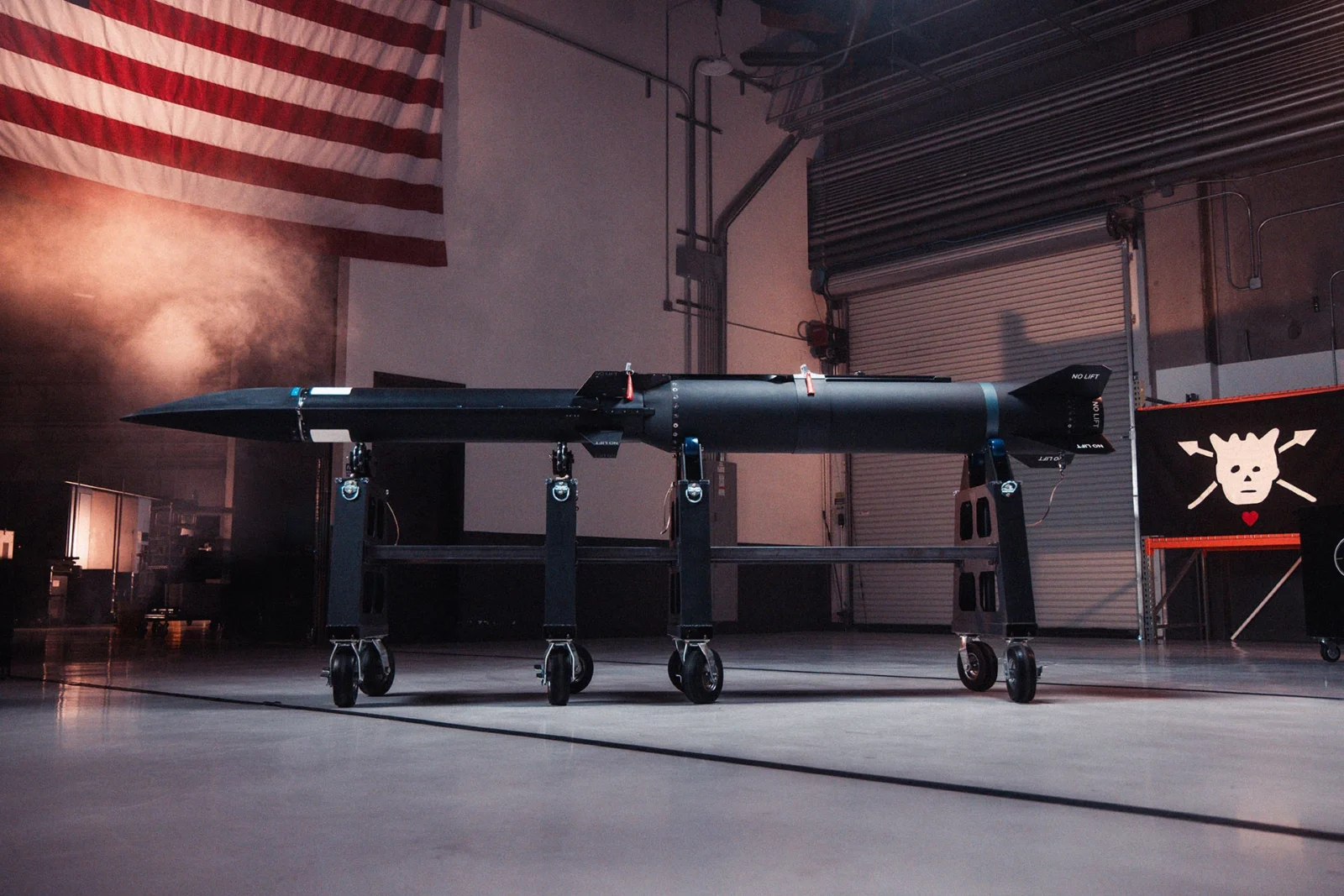
The U.S. Air Force has awarded Castelion, a venture capital-backed defense startup founded in 2022, a contract to integrate its Blackbeard hypersonic missile onto the F-16 Fighting Falcon. This development, announced by the company via social media on October 26, marks a significant step forward in the Air Force’s ongoing efforts to develop and field hypersonic munitions.
Neither the Air Force Research Laboratory (AFRL), which issued the contract, nor Castelion immediately responded to requests for comment regarding the specifics of the agreement.
The announcement regarding Castelion’s Blackbeard missile came on the same day the Air Force awarded a substantial $694 million contract to Lockheed Martin, a long-standing defense prime contractor, to commence production of the hypersonic Air-Launched Rapid Response Weapon (ARRW), as previously reported by Air & Space Forces Magazine.
The Blackbeard missile has garnered considerable attention across the Pentagon, with the U.S. Navy also actively pursuing its integration. The Navy is working to field the rocket-powered, boost-glide strike weapon, which boasts a nearly 500-mile strike range, on its F/A-18 Super Hornet aircraft.
Navy Development and Investment in Blackbeard
The Navy’s Air Test and Evaluation Squadron 23 has been instrumental in evaluating the Blackbeard missile. On September 18, the squadron conducted critical carriage and separation tests of the Blackbeard using a Super Hornet at Naval Air Station Patuxent River, Maryland. These tests successfully validated the weapon’s compatibility and flightworthiness when carried by the aircraft.
The Navy selected Blackbeard as the winner in its Multimission Affordable Capacity Effector (MACE) program, an initiative designed to identify and develop an affordable hypersonic missile approximately the size of an AIM-120 AMRAAM air-to-air missile. Following its selection, the Blackbeard shifted to a program of record under a framework contract with potential orders of up to $200 million.
Earlier this year, in April, Castelion secured a $105 million contract specifically for the integration of the Blackbeard missile onto the Navy’s F/A-18 Super Hornet fleet. Building on this, the Navy awarded the company its first production contract in June, valued at $23.4 million, for 50 early operational capability (EOC) pre-production prototype Blackbeard missiles. Subsequent delivery orders from the Navy aim to accelerate the production and fielding of these low-cost hypersonic weapons to EOC status.
USAF Spending and Broader Hypersonic Strategy
The U.S. Air Force’s investment in the Blackbeard missile reflects its strategic importance. To date, the Air Force has allocated nearly $21 million for Blackbeard research and development. In September, the AFRL added another $16.4 million through a contract modification for the missile, with current spending and contractual agreements covering development through June 2028. Notably, this USAF contract modification also includes provisions to pursue compatibility with the F-35A, the service’s primary fifth-generation tactical fighter.
The decision to integrate the Blackbeard onto the F-16, alongside the Navy’s work on the F/A-18 Super Hornet, highlights a pragmatic approach. While the F-35 offers advanced stealth capabilities, fourth-generation fighters like the F-16 and Super Hornet provide a crucial advantage in their capacity to carry a larger volume of munitions externally without the same level of concern for compromising stealth characteristics. The Air Force operates a significant fleet of over 600 F-16s and has recently initiated plans to upgrade the software systems for these vital aircraft, further extending their operational lifespan and relevance.
The Big Picture: A Three-Pronged Hypersonic Approach
The Air Force is currently pursuing a comprehensive, three-pronged strategy for hypersonic munitions, diversifying its capabilities across different mission sets:
Castelion’s Blackbeard:Positioned primarily as an air-to-air missile, this weapon aims to provide hypersonic intercept capabilities against aerial threats.
Lockheed Martin AGM-183A Air-Launched Rapid Response Weapon (ARRW):This missile is designed for strategic strike missions, offering exquisite, long-range hypersonic capabilities. ARRW has successfully completed booster and All-Up-Round tests and is preparing for Increment 2 tests, which will integrate terminal seeker and data-link functionalities for tracking moving targets. The ARRW is envisioned for deployment on strategic bombers such as the B-52 Stratofortress and B-1B Lancer.
Raytheon/Northrop Grumman Hypersonic Attack Cruise Missile (HACM):As a cruise missile option, HACM is engineered to strike ground or maritime targets. It is built for both internal and external carriage, making it versatile for use on a range of fighter and bomber aircraft, thereby adding high-volume magazine depth to the fleet. The missile achieved significant milestone flight tests over an undisclosed Australian range in late September, as reported by Air & Space Forces Magazine. Initial operational delivery of HACMs is slated for 2027.
Beyond current missile programs, the AFRL recently issued a request for white papers on developing a more advanced hypersonic rocket engine, dubbed the Rotating Detonation Rocket Engine (RDRE). If successful, this research could lead to more affordable, mass-produced engines capable of extending ranges, increasing speeds, and enhancing payloads for future hypersonic munitions, further solidifying the U.S.’s long-term capabilities in this critical domain.
Why This Matters
The U.S. military’s rapid advancement in hypersonic weapon development, exemplified by the contract awards to both Castelion and Lockheed Martin, signifies a critical response to the evolving geopolitical landscape. Hypersonic missiles, capable of traveling at speeds exceeding Mach 5 and executing unpredictable maneuvers, represent a new frontier in warfare, posing significant challenges to existing air and missile defense systems.
Strategic Competition:This push is primarily driven by the need to maintain a technological edge and deterrence against peer competitors, particularly China and Russia, who have also made substantial investments in hypersonic capabilities. Fielding these weapons enhances the U.S.’s ability to hold high-value or time-sensitive targets at risk, thereby strengthening its strategic position.
Enhanced Military Capability:Hypersonic weapons offer unparalleled speed, range, and survivability, making them formidable tools for offensive operations. Their ability to rapidly penetrate sophisticated air defenses provides commanders with new options for precision strikes and maintaining escalation dominance in potential conflicts.
Innovation and Acquisition Reform:The involvement of a startup like Castelion, backed by venture capital, underscores a broader Pentagon initiative to leverage commercial innovation and accelerate defense acquisition processes. This approach aims to reduce development timelines and bring cutting-edge technologies to the warfighter more quickly than traditional procurement methods.
Affordability and Mass Production:The Navy’s “Multimission Affordable Capacity Effector” program and the Air Force’s interest in the “low-cost” Blackbeard missile, alongside research into more affordable engine technologies like the Rotating Detonation Rocket Engine, indicate a strategic shift towards not just developing, but also mass-producing, these advanced weapons. This focus on affordability and volume is crucial for sustained deterrence and potential large-scale engagements.
Extending Platform Relevance:Integrating advanced hypersonic missiles onto existing “workhorse” aircraft like the F-16 and F/A-18 extends the operational relevance and lethality of these fleets. This strategy allows for rapid deployment of new capabilities without solely relying on the development and procurement of newer, more expensive fifth-generation platforms.
Overall, these developments reflect a comprehensive and urgent effort by the U.S. military to redefine its strike capabilities and ensure its dominance in a rapidly evolving global security environment.