
Unlock the Editor’s Digest for free
Roula Khalaf, Editor of the FT, selects her favourite stories in this weekly newsletter.
Key Takeaways:
- Increased Regulatory Scrutiny and Investment Pressure:The second fatal high-speed rail collision in under a year puts immense pressure on Spain’s transport ministry and rail regulator, potentially leading to significant mandatory infrastructure upgrades and increased operational costs for all operators.
- Turbulence for Rail Operators’ Valuations & Brand:Both state-owned Renfe and private newcomer Iryo face substantial reputational damage, operational disruptions, and likely increased insurance premiums, impacting their market positioning and investor confidence in Spain’s liberalized rail sector.
- Fiscal Implications and Investor Sentiment:The accidents could necessitate greater government spending on rail safety, potentially straining Spain’s national budget and influencing investor perceptions of the stability and safety of its critical infrastructure assets.
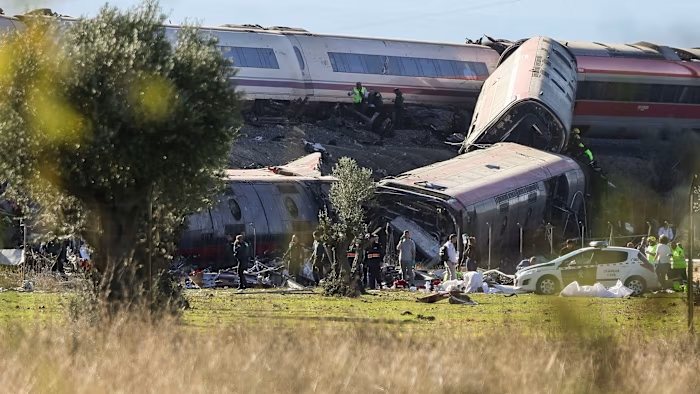
The devastating collision of two high-speed trains south of Madrid on Wednesday, which claimed at least 30 lives and left many more injured, sends shockwaves through Spain’s transport sector and capital markets. This tragic event, occurring less than 10 months after another high-speed rail disaster in Andalusia that killed 46, raises critical questions about safety protocols, infrastructure investment, and the competitive landscape of Spain’s recently liberalized rail market.
For investors and market participants, the immediate focus shifts from the humanitarian tragedy to the potential economic fallout and the re-evaluation of risk across the Spanish rail network. The accident involved a Madrid-Seville service operated by Renfe, the state-owned rail incumbent, and a train from Iryo, a private competitor that only recently entered the Spanish market. This dual involvement complicates the financial and political implications.
The incident occurred close to Toledo in the Castile-La Mancha region, prompting an immediate halt to most campaign activities for Spain’s general election on November 29. While politicians like Prime Minister Pedro Sánchez and opposition leader Alberto Núñez Feijóo expressed their profound sorrow, the leader of the far-right Vox party, Santiago Abascal, was quick to frame the accident as a symptom of “the deterioration in Spain’s infrastructure and institutions,” a sentiment likely to resonate with a public already concerned after the previous January crash.
From a market perspective, this rhetoric is more than just political grandstanding; it signals potential headwinds for infrastructure spending, regulatory oversight, and the perception of Spain as an attractive investment destination in the transport sector. The repeated nature of such high-profile accidents can erode confidence in the robustness of national infrastructure, a crucial factor for long-term foreign direct investment.
Impact on Operators: Renfe and Iryo
ForRenfe, as the state-owned operator, the direct financial impact will not immediately manifest in a share price decline, given its public ownership. However, the reputational damage is significant. Renfe faces intense scrutiny over its operational safety records, maintenance protocols, and the deployment of advanced signaling systems like ERTMS (European Rail Traffic Management System). Any findings of systemic failures could lead to substantial government-mandated investment in safety upgrades, which would be borne by the Spanish taxpayer, potentially impacting national fiscal targets. Furthermore, the accident could derail any long-term plans for partial privatization or increased private sector involvement in parts of Renfe’s operations, as investor appetite for such ventures might diminish significantly.
Iryo, on the other hand, is a private operator backed by a consortium including Italy’s Trenitalia (55%), Spain’s Globalvia (31%), and Air Nostrum (14%). For Iryo and its shareholders, the situation is acutely challenging. As a newer entrant, its brand identity is still being forged, and an association with a fatal accident so early in its operational lifecycle is a severe setback. The immediate consequences will include operational disruptions, potential fines from regulators, increased insurance premiums for its fleet and liabilities, and a likely slowdown in customer acquisition as public confidence wavers. The market will be closely watching how its shareholders absorb these shocks and if this incident alters their strategic commitment to the Spanish high-speed rail market, which also features French operator Ouigo (SNCF).
The images of Iryo carriages having tumbled down an embankment underscore the physical and financial costs involved. Beyond human casualties, the direct costs include wreckage removal, track repair, and significant compensation claims for victims and their families. While insurance policies will cover a portion of these liabilities, the sheer scale of such a multi-fatality incident can test even comprehensive coverage, potentially impacting the profitability of relevant insurers and reinsurers.
Wider Market & Regulatory Implications
The repeated occurrence of high-speed rail accidents highlights a pressing systemic issue. Regulators, particularly the Spanish Railway Safety Agency (AESF), will be under immense pressure to conduct thorough investigations, identify root causes, and enforce stricter safety standards. This could lead to a wave of new regulations, mandatory technology upgrades, and more stringent operational audits across all rail operators. Such measures, while crucial for public safety, inevitably translate into higher compliance costs and capital expenditure for both state and private entities in the sector.
The timing of these accidents is also critical, occurring within a period of significant liberalization in the European rail market, aimed at fostering competition and improving services. Spain has been at the forefront of this initiative. However, these incidents could inadvertently lead to a more cautious approach to further liberalization, potentially strengthening the argument for greater state oversight or even reconsideration of the pace of private sector involvement if safety concerns overshadow efficiency gains.
The broader infrastructure sector, including construction companies specializing in rail, signaling system providers, and maintenance firms, could face a double-edged sword. While there might be increased demand for safety-related upgrades and new projects, there could also be enhanced scrutiny on procurement processes, quality control, and project timelines, potentially increasing project risks and reducing margins. Investors in these ancillary industries will need to re-evaluate their exposure to the Spanish rail market.
Fiscal and Economic Considerations
The Spanish government, regardless of the election outcome, will face increased pressure to allocate significant resources to rail safety and infrastructure modernization. This comes at a time when many European economies are grappling with elevated public debt levels and inflationary pressures. Any substantial unplanned expenditure on rail safety could impact Spain’s fiscal targets and potentially influence its bond yields if market participants perceive an increased risk to public finances. Furthermore, any sustained decline in public confidence in rail travel could have knock-on effects for other transport sectors and the tourism industry, a vital component of Spain’s economy.
As the investigations unfold, the findings regarding signaling failures, human error, track maintenance, or rolling stock issues will dictate the specific policy responses and financial ramifications. For companies like Siemens, Alstom, or Thales, which are major suppliers of rail technology and signaling systems globally, any implications regarding their equipment in the Spanish accidents will be closely watched by investors. The reputation for reliability and safety in high-speed rail is paramount, and these incidents serve as a stark reminder of the complex interplay between advanced technology, human operation, and robust infrastructure maintenance.
Market Impact:
The twin high-speed rail tragedies in Spain within a year are set to trigger a significant re-pricing of risk across the nation’s transport infrastructure and operator valuations. Expect immediate pressure on Iryo’s financial performance and a likely re-evaluation of its strategic path by its institutional investors. Renfe, while state-backed, faces profound reputational damage and the prospect of mandated, costly safety investments funded by the public purse, which could impact Spain’s sovereign debt outlook. The broader market will anticipate heightened regulatory scrutiny, potentially leading to increased compliance costs for all transport operators and a more cautious approach to further rail liberalization. Investor sentiment towards Spanish infrastructure projects may cool, with capital potentially diverted to markets perceived as having more robust safety and regulatory frameworks, impacting future foreign direct investment and potentially leading to higher financing costs for new projects.