
Navantia UK’s Methil Yard Secures Second Export Contract, Initiates Recruitment Drive for Skilled Workers
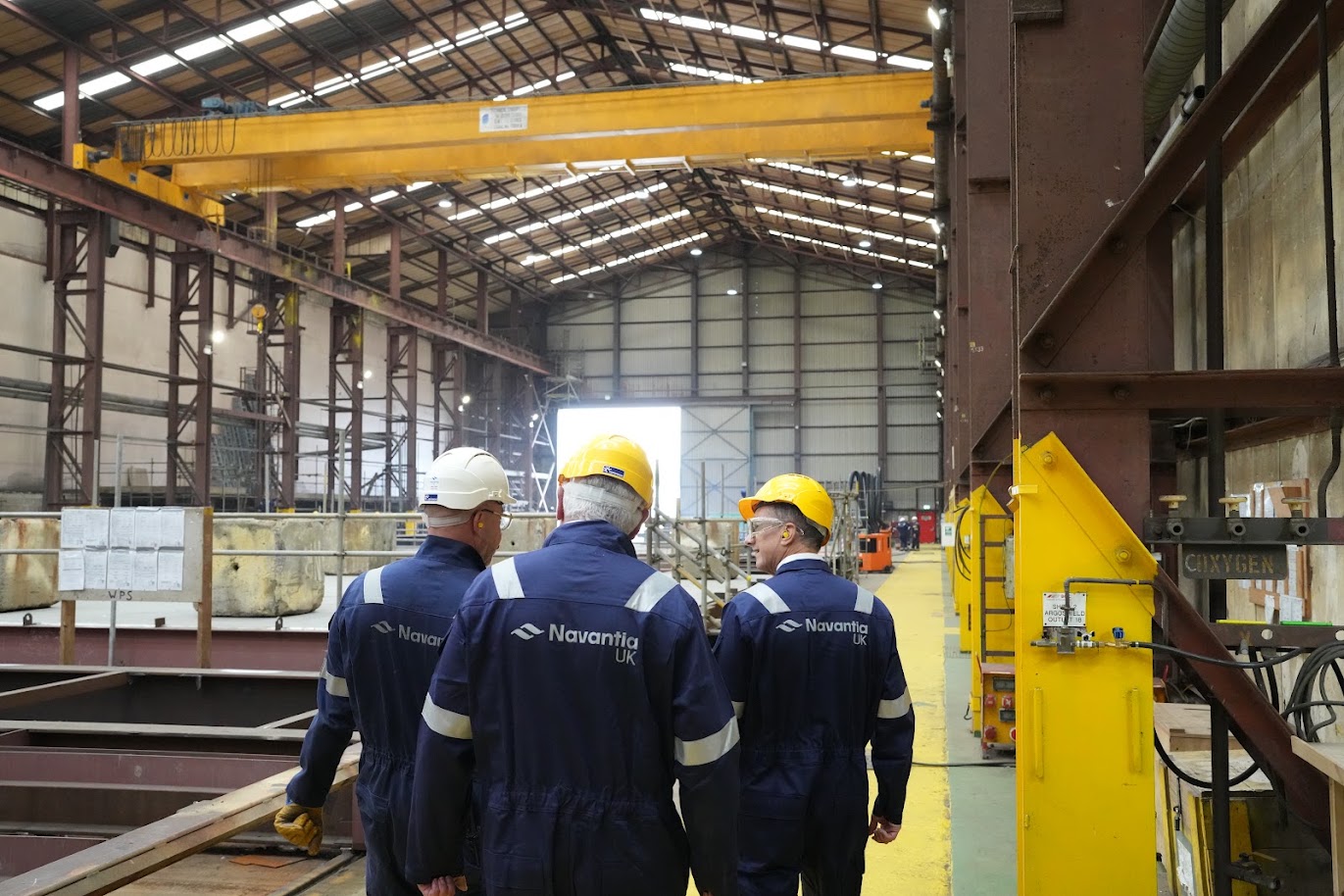
Navantia UK’s shipyard in Methil, Fife, has announced a significant boost to its operations, securing a second new vessel export contract. The development is set to create sixty new skilled positions at the facility, signaling continued growth and investment in the Scottish shipbuilding sector.
The newly announced roles include experienced welders, platers, riggers, scaffolders, and painters. This recruitment drive follows a period of expansion for the yard, which earlier this year secured its first export order and successfully completed the Navantia UK Seahorse. The Seahorse barge plays a critical role in supporting the delivery of the Fleet Solid Support programme for the Royal Fleet Auxiliary, demonstrating the yard’s capacity for complex marine engineering projects.
Navantia UK’s commitment to the Methil site is further underscored by a recent investment of £12 million. This substantial capital injection is earmarked for upgrading training facilities, acquiring new machinery, enhancing infrastructure, and implementing advanced technologies. This latest investment brings the total capital expenditure at the yard to £26.7 million since Navantia UK acquired the facility in January 2025. Over this period, the workforce has expanded from 180 to 275 employees, with a strong emphasis on future talent development, evidenced by 75 apprentices currently undergoing training.
Steve Chisholm, General Manager at Navantia UK Methil, expressed optimism regarding the yard’s trajectory. “Winning another export contract unequivocally demonstrates the substantial progress being made here at Methil and, crucially, the growing confidence customers are placing in our capabilities,” Chisholm stated. He added, “With the successful completion of the Seahorse project, new work actively coming in, and ongoing investment into the site, we are now in a strong position to recruit more skilled individuals. These new team members will be instrumental in building upon the yard’s future workload and sustaining its long-term success.”
Reinforcing the value of these employment opportunities, Katherine Thorn, Head of Talent and Culture at Navantia UK, highlighted the career prospects. “These represent genuinely good skilled jobs, offering individuals the significant opportunity to contribute to major programmes, develop enduring careers, and play a vital role in the future of shipbuilding in Fife,” Thorn commented. She further elaborated on the specific need, saying, “We are actively seeking experienced welders and platers who are eager to join a rapidly expanding team at a yard with a distinguished industrial heritage and an increasingly robust pipeline of future work.”
The positive sentiment surrounding the yard’s resurgence is shared by trade unions. Rhea Wolfson, GMB Scotland Secretary, praised the new ownership’s impact. “Under its new ownership, this shipyard is clearly going from strength to strength. The significant new investment is directly translating into a growing order book and crucial recruitment opportunities,” Wolfson observed. She emphasized the broader societal benefits, stating, “The importance of these skilled jobs and the provision of quality apprenticeships, both for the communities of Fife and for Scotland’s wider industrial capability, simply cannot be overstated.”
Testimony from long-serving tradesmen at the yard underscores the deep-rooted expertise and quality of workmanship present. Allan Lister, a plater who began his career at the yard in 1985, reflected on the calibre of his colleagues: “I’ve worked all over Britain, and the guys you worked with here, nine times out of ten, were better than anybody else.” Peter Ednie, who started as a burner in 1982, highlighted the challenging nature of their work, recalling, “I’ve cut steel over 300 millimetres thick.” Welder Willie Gibson, also a veteran from 1982, spoke positively about the new generation joining the workforce: “We’ve got some really good apprentices coming through.” These accounts paint a picture of a skilled workforce that combines decades of experience with a commitment to nurturing new talent.
Looking ahead, Navantia UK has positioned its Methil facility to potentially play a crucial role in future national defence projects. The company stated that the Methil yard is “well placed to support the floating docks programme for His Majesty’s Naval Base Clyde.” This follows a recent announcement by the Chancellor that infrastructure for this programme will be constructed and delivered in British shipyards, opening up significant opportunities for domestic maritime industries. This strategic alignment comes at a time when the broader Scottish shipbuilding industry faces challenges; Scottish Labour recently highlighted a shortage of trained welders in Scotland, noting that Babcock has been utilizing overseas workers for the Type 31 frigate programme at Rosyth, a few miles along the same coast. Navantia UK’s proactive recruitment and investment in training therefore take on added significance within this national context of skill requirements and industrial capacity.
Why This Matters
The recent developments at Navantia UK’s Methil shipyard carry substantial implications across economic, industrial, and strategic fronts. The securing of a second export contract, coupled with a significant recruitment drive and sustained investment, signals a crucial revitalization for a historic industrial site and contributes broadly to the UK’s industrial base.
Economic Revival and Job Creation:The addition of sixty skilled jobs, alongside the growth of the workforce from 180 to 275 and the training of 75 apprentices, represents a vital economic injection into Fife and the wider Scottish economy. These are high-value, skilled positions that provide stable employment and career pathways, directly benefiting local communities. The substantial investment of £26.7 million since 2025 further demonstrates long-term commitment, fostering economic stability and encouraging further local spending and supply chain development.
Strengthening Industrial Capability and Skills Development:The focus on recruiting experienced welders, platers, riggers, scaffolders, and painters addresses a critical need for maintaining and enhancing the UK’s industrial skills base. The commitment to apprenticeships is particularly important, ensuring the transfer of invaluable intergenerational expertise, as highlighted by veteran workers. This sustained effort in skills development helps to mitigate potential future shortages, such as those observed in other Scottish shipyards, and reinforces the UK’s capacity to undertake complex maritime engineering projects.
Strategic Importance for National Defence:The Methil yard’s positioning to support the floating docks programme for His Majesty’s Naval Base Clyde underscores its potential role in national security infrastructure. By building and delivering critical defence assets within British shipyards, the government aims to enhance supply chain resilience, protect intellectual property, and ensure domestic control over strategic capabilities. Navantia UK’s growing order book, including the Seahorse barge for the Royal Fleet Auxiliary, directly contributes to the operational readiness and logistical support of the UK’s naval forces.
Regional Development and Global Competitiveness:The resurgence of the Methil shipyard provides a significant anchor for regional development in Fife, a region with a proud industrial maritime heritage. Successfully securing multiple export contracts demonstrates the yard’s increasing competitiveness on the international stage, bringing foreign capital into the UK economy and showcasing British engineering and manufacturing capabilities. This success can inspire further investment and innovation within the broader Scottish industrial landscape, positioning it as a key player in global shipbuilding markets.