
Royal Navy Commemorates 125 Years of Submarine Service with Remembrance Film
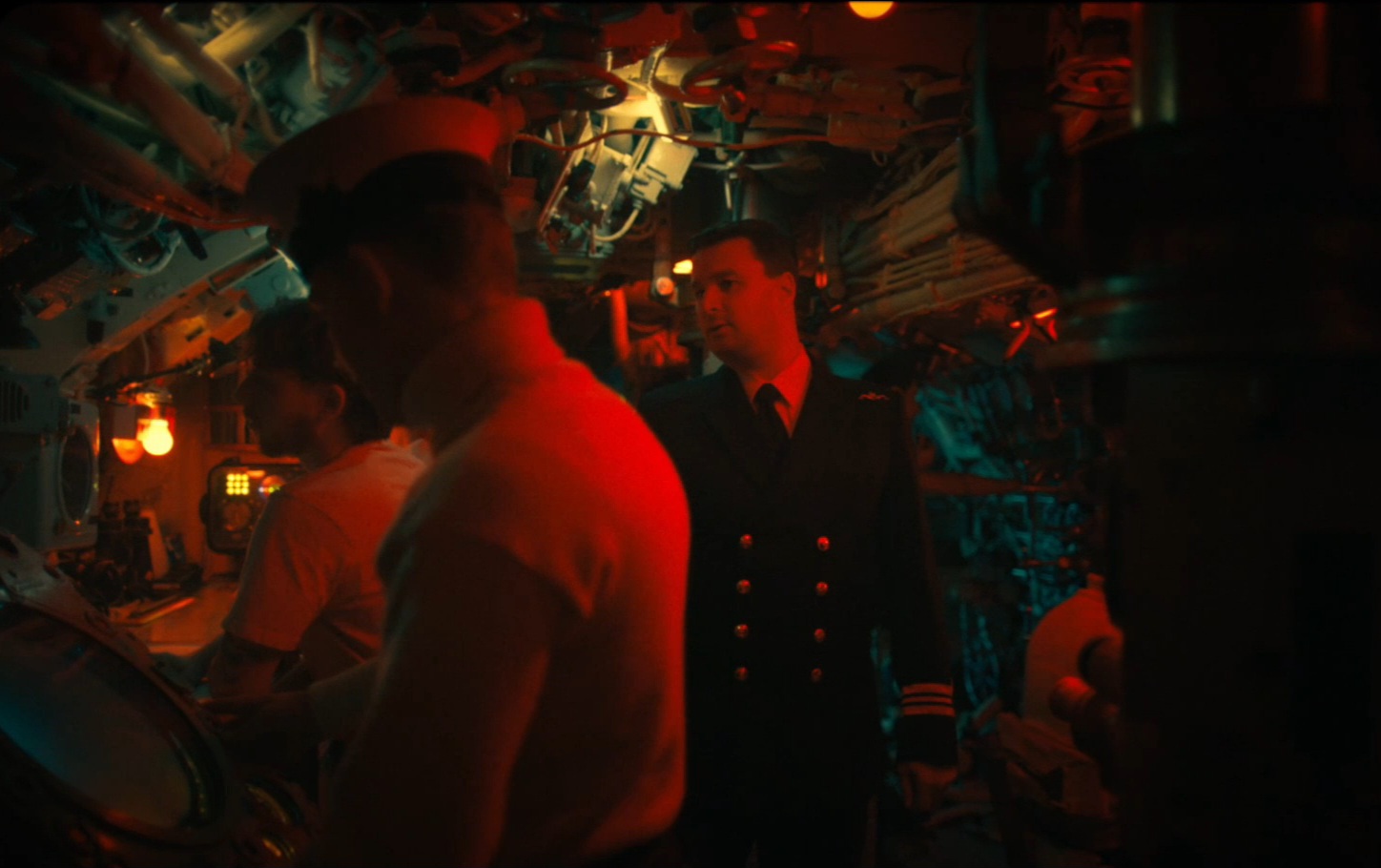
The Royal Navy has released a poignant remembrance film, titled “The Echo,” to mark the 125th anniversary of its Submarine Service. The film serves as a tribute to the nearly 6,000 submariners and more than 150 submarines that have been lost in service since the inception of the Royal Navy’s underwater fleet. This commemorative release aims to honor their sacrifice and acknowledge the unique challenges and inherent risks associated with submarine operations.
Filmed aboard HMS Alliance, a preserved A-class submarine located at the Royal Navy Submarine Museum in Gosport, “The Echo” symbolically follows a Cold War-era submarine beneath the waves. This narrative is intertwined with scenes of a submarine veteran volunteering at his local museum, creating a link between past experiences and present-day remembrance. The choice of HMS Alliance for filming provides an authentic backdrop, as the vessel itself is a memorial to those who served and perished in the Submarine Service.
The Royal Navy has released a remembrance film marking 125 years of the Submarine Service, made in memory of the nearly 6,000 submariners and more than 150 submarines that never came homepic.twitter.com/Px0fGbrhe0
— UK Defence Journal (@UKDefJournal) October 30, 2026
Rear Admiral Andrew Perks, Director Submarines and head of the Submarine Service, underscored the significance of the anniversary. “This year being the 125th anniversary of the Royal Navy’s Submarine Service makes it an even more poignant Remembrance for us,” he stated. “As we stand at the Westminster Garden of Remembrance and name aloud every submarine that did not return, we remember those we have lost in the last 125 years.” Admiral Perks further noted that while the film depicts a Cold War setting, differing significantly from today’s advanced technology, it effectively captures “the jeopardy of being under the waves perfectly,” highlighting the enduring dangers faced by submariners across generations.
Petty Officer James Clark, who heads the Royal Navy’s video production branch, provided insight into the creative intent behind “The Echo.” He explained, “We wanted to capture people’s imaginations and leave them with questions unanswered. We wanted audiences to think about what they’d seen and wonder what really happened.” This design choice, according to Clark, is a deliberate reflection of a grim reality: for many submarines lost at sea, the exact circumstances of their disappearance remain an enduring mystery, often leaving families and colleagues without definitive closure.
The film’s ambiguous ending specifically alludes to incidents like the loss of HMS Affray, a sister ship to HMS Alliance. HMS Affray sailed from Portsmouth in April 1951 and was subsequently lost in the English Channel with all seventy-five men aboard, marking the last British submarine to be lost at sea. Although the wreck was eventually located two months later, the precise cause of its sinking was never conclusively established. Among the prevailing theories was a fractured snort mast – a critical induction pipe that allows a diesel submarine to operate its engines while submerged, without surfacing completely. The unresolved nature of such incidents continues to shape the narrative and remembrance within the Submarine Service.
HMS Alliance herself represents a tangible link to this history. An A-class boat, she was originally ordered for service in the Pacific during the Second World War but was completed after the conflict concluded. She went on to serve throughout the early Cold War period, a time of significant geopolitical tension and constant readiness for submarine fleets. In 1981, she was decommissioned and repurposed as a static display at the Royal Navy Submarine Museum in Gosport, becoming a permanent memorial dedicated to all submariners lost in service. A multi-million-pound restoration effort in the last decade ensured her continued preservation and accessibility for future generations.
The Royal Navy Submarine Service traces its origins back to the launch of Holland 1 in October 1901. This pioneering five-man vessel was acquired despite considerable opposition from senior naval admirals of the era, who often viewed the concept of underwater warfare as underhand or even dishonorable. The service spent its initial decades proving the strategic value and operational capability of submarines. Its history is marked by significant losses, including accidents in the 1950s that followed the Second World War, the tragic loss of HMS Thetis with 99 men in Liverpool Bay during pre-commissioning trials in 1939, and the seventy-four boats lost during the intense hostilities of the Second World War. These figures contribute to the overall tally of nearly 6,000 personnel and over 150 submarines mourned by the service.
In the contemporary era, the United Kingdom has maintained a continuous at-sea nuclear deterrence for fifty-seven years, a testament to the enduring strategic importance of its submarine fleet. The next generation of ballistic missile submarines, the Dreadnought class, is currently under construction at Barrow-in-Furness and is slated to assume this critical role from the existing Vanguard-class boats in the early 2030s, ensuring the continuation of this vital defense capability.
Why This Matters
The Royal Navy’s release of “The Echo” and its focus on the 125th anniversary of the Submarine Service is significant for several reasons, extending beyond a simple commemorative event. Firstly, it underscores the profound importance of historical remembrance, particularly for a service that has historically operated with a degree of secrecy and anonymity. By publicly honoring the nearly 6,000 submariners and over 150 submarines lost, the film helps to solidify their place in national memory and ensures that the sacrifices made are not forgotten. This act of remembrance is vital for the morale of current service members and provides solace to the families of those who perished.
Secondly, the film highlights the unique and inherent dangers of submarine service. The depiction of a Cold War-era vessel and the emphasis on “jeopardy” serve as a stark reminder of the unforgiving environment in which submariners operate, regardless of technological advancements. The ambiguous ending, referencing real-life mysteries like HMS Affray, forces viewers to confront the stark reality that many losses at sea remain unexplained, emphasizing the profound risks undertaken by those who serve beneath the waves. This also fosters public understanding and empathy for the specialized nature of their role.
Furthermore, this commemoration provides an opportunity to reflect on the technological and strategic evolution of naval warfare. From the primitive Holland 1, initially met with skepticism, to the modern, highly advanced Dreadnought-class submarines critical for nuclear deterrence, the journey of the Submarine Service mirrors a century and a quarter of innovation and adaptation. Acknowledging this history reinforces the United Kingdom’s long-standing commitment to naval power and its continuous at-sea deterrence, a cornerstone of its national security strategy. The film, therefore, acts not just as a memorial but also as an educational tool, informing the public about a vital, yet often unseen, component of the nation’s defense architecture and the human cost associated with maintaining it.