
UK Government Cites National Security for Withholding Whole-Life Nuclear Weapons Cost Forecasts Amidst Significant Investment
The United Kingdom government has affirmed its policy of not publishing whole-life cost forecasts for its nuclear weapons program, citing national security concerns. This stance comes as the Defence Investment Plan allocates a substantial £63.6 billion for the Defence Nuclear Enterprise (DNE) between the fiscal years 2026-27 and 2029-30.
The issue of transparency surrounding the UK’s nuclear deterrent expenditure was raised in the House of Lords by Baroness Blower, a Labour peer. She specifically enquired whether future annual updates would include whole-life forecasts of nuclear weapons costs and the proportion of the overall defence budget allocated to these capabilities.
Lord Coaker, Minister of State at the Ministry of Defence, provided the government’s official response. He reiterated the allocated sum for the Defence Nuclear Enterprise, stating: “The Defence Investment Plan provides for £63.6 billion of investment in the Defence Nuclear Enterprise between 2026-27 and 2029-30.” He then clarified the government’s position on detailed financial disclosure: “The Government does not publish detailed spending figures or forecasts relating to nuclear weapons or wider defence nuclear capabilities for national security reasons. Accordingly, there are no plans to include such information in future DNE Annual Updates or other public reporting. High-level financial information will continue to be published through departmental financial reporting.”
This statement underscores a long-standing government practice of maintaining a degree of secrecy around specific defence outlays deemed critical to national security, particularly concerning strategic capabilities like nuclear weapons. While high-level financial information, such as overall departmental budgets and broad allocations, remains publicly available through annual departmental reports, granular details or long-term projections for the nuclear program are withheld.
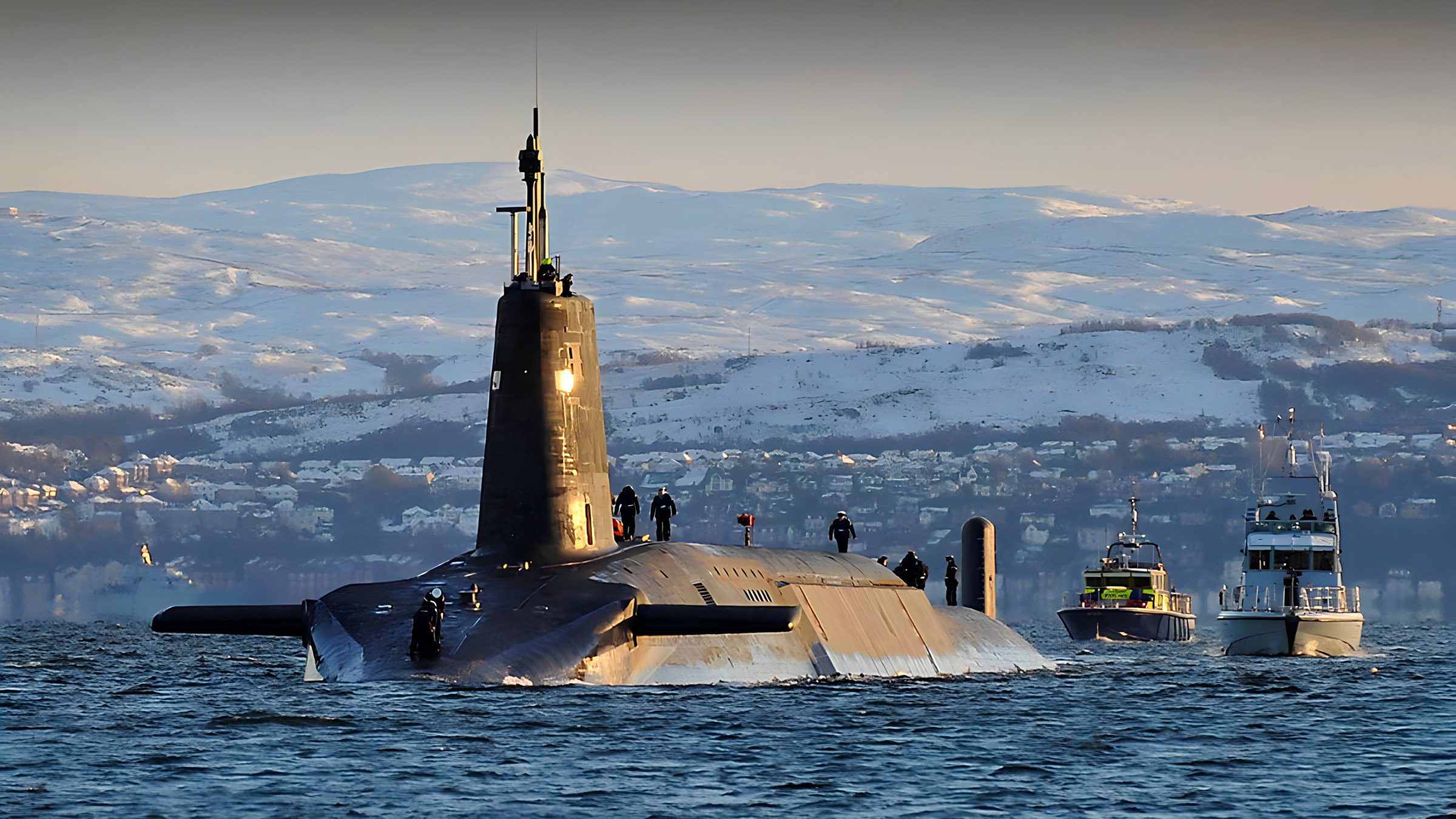
The Defence Nuclear Enterprise encompasses a wide array of activities crucial for maintaining the UK’s nuclear deterrent. This includes the design, manufacture, and maintenance of nuclear warheads, the procurement and upkeep of the ballistic missile submarines that carry them (currently the Vanguard-class, with the Dreadnought-class in development), and the extensive infrastructure and personnel required to support these complex operations. Given the multi-decade lifespan of such assets and the continuous investment required, the term “whole-life costs” refers to the total expenditure from conception through to decommissioning.
Baroness Blower also extended her inquiry to public understanding of the nuclear deterrent and the government’s efforts in public engagement. She questioned what assessment had been made of public comprehension of the deterrent and the funding allocated to public engagement on nuclear policy over the preceding three years. Lord Coaker responded that the Ministry of Defence (MoD) assesses public understanding through polling and evaluation of its communication campaigns. He noted: “While public support for the nuclear deterrent remains high, polling indicates there is scope to increase public awareness of the nuclear deterrent, including the programme to build new submarines and replace the UK’s warheads.”
Regarding public engagement, Lord Coaker specified that the MoD uses the “National Endeavour” communications campaign. This initiative aims to enhance public understanding of the Defence Nuclear Enterprise, highlighting its contributions to both national security and economic growth. He further clarified the campaign’s resourcing: “As a Government Communication Service low/no-cost campaign, no specific funding has been allocated to it for public engagement on nuclear policy.” This indicates that while public awareness is a goal, it is pursued within existing communication frameworks rather than through a dedicated, separately funded program for nuclear policy engagement.
Despite the government’s stance on detailed cost transparency, senior defence officials have offered some insights into the scale of the nuclear program’s financial demands. Jeremy Pocklington, the Permanent Secretary for the Ministry of Defence, informed the Public Accounts Committee in March that the Defence Nuclear Enterprise is projected to consume “between about 20% and 25%” of the overall defence budget. This follows an allocation of approximately £10.9 billion, or 18 percent, of the budget in the 2024-25 fiscal year, as reported by the UK Defence Journal. These figures highlight the significant proportion of defence spending dedicated to maintaining and modernizing the UK’s nuclear capabilities.
To enhance oversight in the absence of detailed public cost forecasts, a new Commons-only committee has been established by the Prime Minister. This committee is tasked with scrutinizing spending and programs across the Defence Nuclear Enterprise. Its formation was noted in the annual update on Strategic Defence Review recommendations, published in September. The stated aim of this new committee is to provide the public with “the confidence that taxpayer money is being spent wisely on this critical area,” acknowledging the need for robust oversight of such a substantial and sensitive investment.
Why This Matters
The government’s decision to withhold detailed, whole-life cost forecasts for its nuclear weapons program, while citing national security, carries significant implications for public accountability, parliamentary oversight, and the broader debate on national priorities. The allocation of £63.6 billion to the Defence Nuclear Enterprise for a four-year period, alongside projections that it will consume 20-25% of the total defence budget, represents a substantial commitment of taxpayer funds over many decades. Understanding the full financial scope of such a critical national undertaking is fundamental for a healthy democracy.
Firstly, **Fiscal Responsibility and Transparency**: When vast sums of public money are involved, the principle of transparency is crucial for ensuring fiscal responsibility. While national security is a legitimate concern, the lack of detailed cost projections makes it challenging for external bodies, including parliamentary committees and the public, to fully assess the efficiency, value for money, and long-term financial burden of the nuclear deterrent. This can lead to questions about how adequately funds are being managed and whether sufficient scrutiny is being applied to such a costly program.
Secondly, **Informed Public and Parliamentary Debate**: Without comprehensive financial data, the ability of parliamentarians and the public to engage in an informed debate about defence spending priorities is constrained. Allocating up to a quarter of the defence budget to nuclear capabilities inevitably has trade-offs, potentially impacting investment in other areas such as conventional forces, cyber defence, or even non-defence public services. Access to detailed cost information would enable a more nuanced discussion on these strategic choices and resource allocation.
Thirdly, **Democratic Scrutiny and Oversight**: The establishment of a new Commons-only committee for the Defence Nuclear Enterprise is a direct acknowledgment of the need for enhanced oversight. This body’s role becomes even more critical when detailed financial information is withheld from wider public scrutiny. Its effectiveness will be paramount in ensuring that taxpayer money is indeed being spent wisely, as the government intends. The tension between national security imperatives and the demands of democratic accountability is particularly acute in this domain.
Finally, **Public Understanding and Support**: The MoD’s own polling indicates a need to increase public awareness of the nuclear deterrent, despite high overall support. While the “National Endeavour” campaign aims to address this, the absence of detailed financial context might hinder a deeper public understanding of the strategic and economic rationale behind such a significant and enduring investment. A more comprehensive understanding could foster greater public confidence and informed consent for a policy that has profound implications for national security and international relations.