
Key Takeaways:
- €1 Billion War Chest for European Moonshots:Operator-led VC firm Plural has secured €1 billion in new capital, strategically allocating two-thirds to its early-stage fund and one-third to an “opportunities” fund for follow-on investments, signaling a potent commitment to nurturing ambitious European ventures from seed to scale.
- Strategic Focus on Sovereignty & Deep Tech:Plural is aggressively targeting capital-intensive sectors like energy, AI infrastructure, defense, and health. This reflects a growing trend among experienced European founders tackling critical challenges vital for the continent’s strategic autonomy and resilience.
- Operator-Led Model, Pan-European Reach:With offices in London, Paris, and Tallinn, and a team of seasoned founders (including Skype alumni), Plural’s hands-on, multi-city approach provides founders with unparalleled operational support, mirroring the sophisticated value-add offered by leading U.S. venture firms.
Plural Fuels Europe’s Ambition with €1 Billion Fund, Targeting a New Era of Deep Tech Founders
In a significant development for the European venture capital landscape, Plural, the operator-led VC firm known for backing ambitious founders, has announced a colossal fundraise of €1 billion ($1.1 billion). This substantial capital injection positions Plural alongside a burgeoning cohort of larger European funds, including Mundi Ventures’ Kembara and the EQT-managed Scaleup Europe Fund, as key players in shaping the continent’s technological future. However, Plural’s approach is distinctly tailored, aiming not just for growth-stage investments, but doubling down on its roots in early-stage innovation with a strategic eye on critical, capital-intensive “moonshot” ventures.
A Dual Strategy for End-to-End Support
Breaking down the impressive €1 billion sum, Plural has structured its new capital into two distinct, yet complementary, buckets. A substantial two-thirds of the fund is earmarked for its third early-stage fund, underscoring the firm’s unwavering commitment to identifying and empowering nascent companies at their most formative stages. The remaining one-third will fuel a newly established “opportunities” fund, designed to make select follow-on investments in its most promising portfolio companies, ensuring they have the sustained financial backing required to navigate subsequent, often larger, funding rounds.
“We are still very committed to being an early-stage fund,” affirmed Plural partner Carina Namih, emphasizing the firm’s foundational ethos. Yet, the flexibility built into their model recognizes the evolving demands of modern innovation. Khaled Helioui, another Plural partner, highlighted that some of the audacious early-stage “moonshots” Plural intends to back may necessitate “raising a couple hundred million” just to get off the ground. This reflects a pragmatic understanding that truly transformative ideas, particularly in deep tech, demand significant upfront capital and a long-term investment horizon.
Targeting Europe’s Next Generation of “Moonshots”
The term “moonshot” is indeed fitting for the caliber of companies Plural is actively seeking. Their existing portfolio boasts ventures like Proxima Fusion, pioneering commercial fusion energy, and The Exploration Company, focused on sustainable space exploration. These are not merely tech startups; they are enterprises tackling fundamental challenges with global implications, often requiring immense capital, scientific breakthroughs, and a long-term vision. With its expanded coffers, Plural is now actively scouting equally promising opportunities across critical sectors such as energy, advanced AI infrastructure, defense technologies, and health innovation.
This strategic focus isn’t accidental; it’s a reflection of a profound shift within the European entrepreneurial ecosystem. For too long, the continent’s venture capital scene was perceived as less willing to fund truly capital-intensive projects compared to its U.S. counterparts. However, this is rapidly changing, especially among a new wave of second-time founders. These experienced entrepreneurs, having previously built and scaled successful companies, are now turning their attention to challenges of greater societal and strategic importance. Daniel Ek’s Helsing, a defense AI company, is cited by Helioui as a prime example, demonstrating that such ambitious endeavors are “not isolated cases.”
Helioui articulates this transformation eloquently: “If you’ve built and scaled a company, chances are, you’re more likely to be driven and passionate about having an impact on Europe’s ability to defend itself, procure its own energy, or own its operations and manufacturing, rather than just another app.” This sentiment encapsulates Plural’s investment thesis: empowering founders who are not just building businesses, but actively contributing to Europe’s strategic autonomy and resilience in an increasingly complex geopolitical landscape.
Operator-Led Advantage and a Pan-European Footprint
Plural’s distinctive identity as an operator-led firm is central to its appeal and effectiveness. The firm’s partners are not just financiers; they are seasoned entrepreneurs who have built and scaled successful companies themselves. This deep, firsthand operational experience allows them to offer invaluable guidance and strategic support to their portfolio companies, extending far beyond mere capital. Plural’s commitment to providing comprehensive portfolio support, spanning critical areas from hiring and communications to finance, further solidifies its position as a true partner to founders. This holistic approach signals a growing maturity in the European VC landscape, increasingly mirroring the sophisticated value-add services offered by leading U.S. firms.
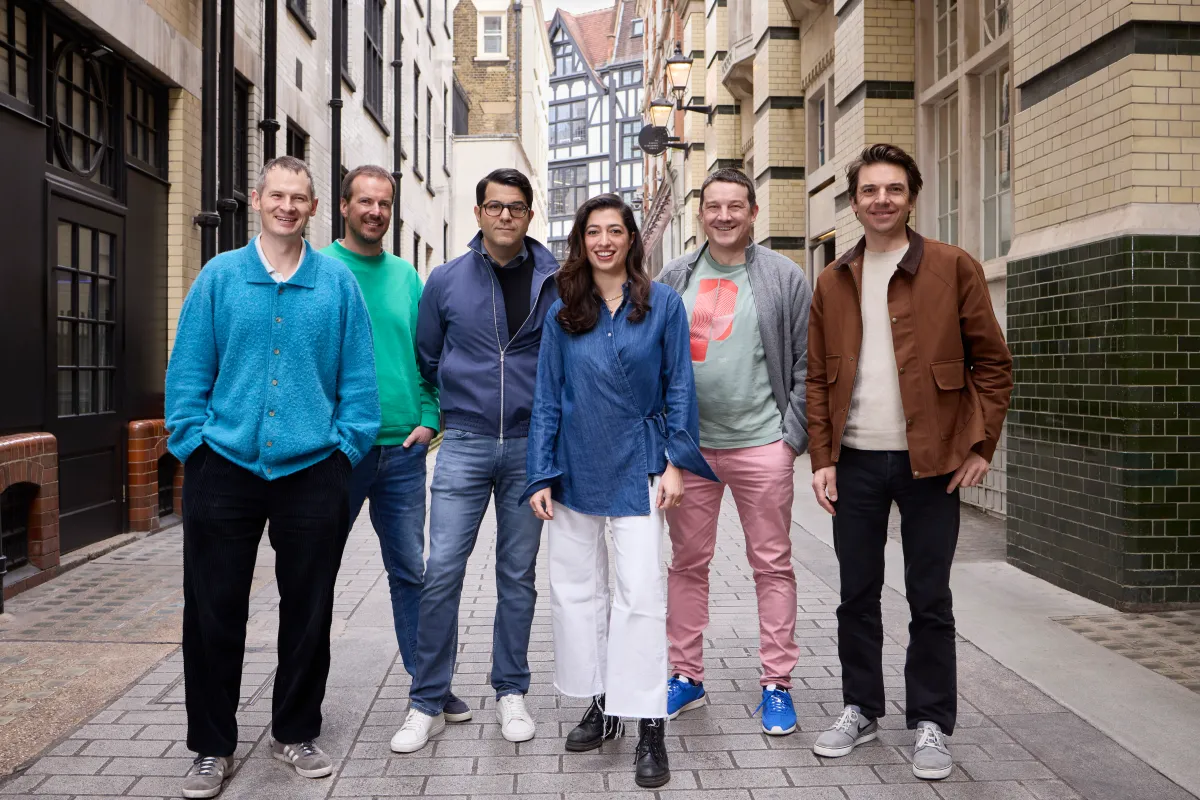
The firm’s geographic presence is also strategically significant. With offices in London, where Helioui, Namih, and Ian Hogarth are based; Paris, home to former Uber executive Pierre-Dimitri Gore-Coty (who joined as a full-time partner in October 2025); and Tallinn, Estonia, Plural benefits from diverse perspectives and proximity to key innovation hubs. The Tallinn office, in particular, has played a pivotal role in shaping Plural’s investment decisions, especially in defense technology, including companies like missile developer Hypersonica. This direct connection to the realities of Europe’s eastern flank provides a unique lens through which to assess the urgency and criticality of certain investment themes.
“The reality is today still, you have a different level of conversation and a different sense of appreciation of the urgency and the criticality of these topics depending on how far from the border to Russia you are,” Helioui remarked, underscoring the acute awareness of geopolitical realities informing their investment strategy. The presence of Skype alumni and Estonian co-founders Taavet Hinrikus (Wise cofounder) and Sten Tamkivi (Teleport’s founder) within Plural’s six-partner team further reinforces this deep understanding of European innovation and its strategic imperatives.
Furthermore, Plural has made a conscious effort to raise more of its capital from within Europe. This shift towards fostering local LP engagement is crucial, as Europe’s institutional limited partners, traditionally more inclined to back established financial institutions, are increasingly recognizing the immense potential and strategic importance of backing founder-led, impact-driven venture funds like Plural. This alignment between LPs, GPs, and founders creates powerful tailwinds for Plural, particularly as Europe prioritizes sovereignty and resilience across its economic and technological sectors.
Bottom Line
Plural’s monumental €1 billion fundraise is far more than just a headline-grabbing sum; it’s a powerful declaration of intent for the European tech ecosystem. By combining substantial capital with an operator-led ethos and a strategic focus on mission-critical “moonshot” industries, Plural is not merely participating in Europe’s innovation boom — it’s actively driving it. This move empowers a new generation of ambitious founders to tackle global challenges, strengthens Europe’s strategic autonomy, and cements the continent’s position as a serious contender in deep tech and impactful innovation on the world stage.
When you purchase through links in our articles, we may earn a small commission. This doesn’t affect our editorial independence.
{content}
Source:{feed_title}