
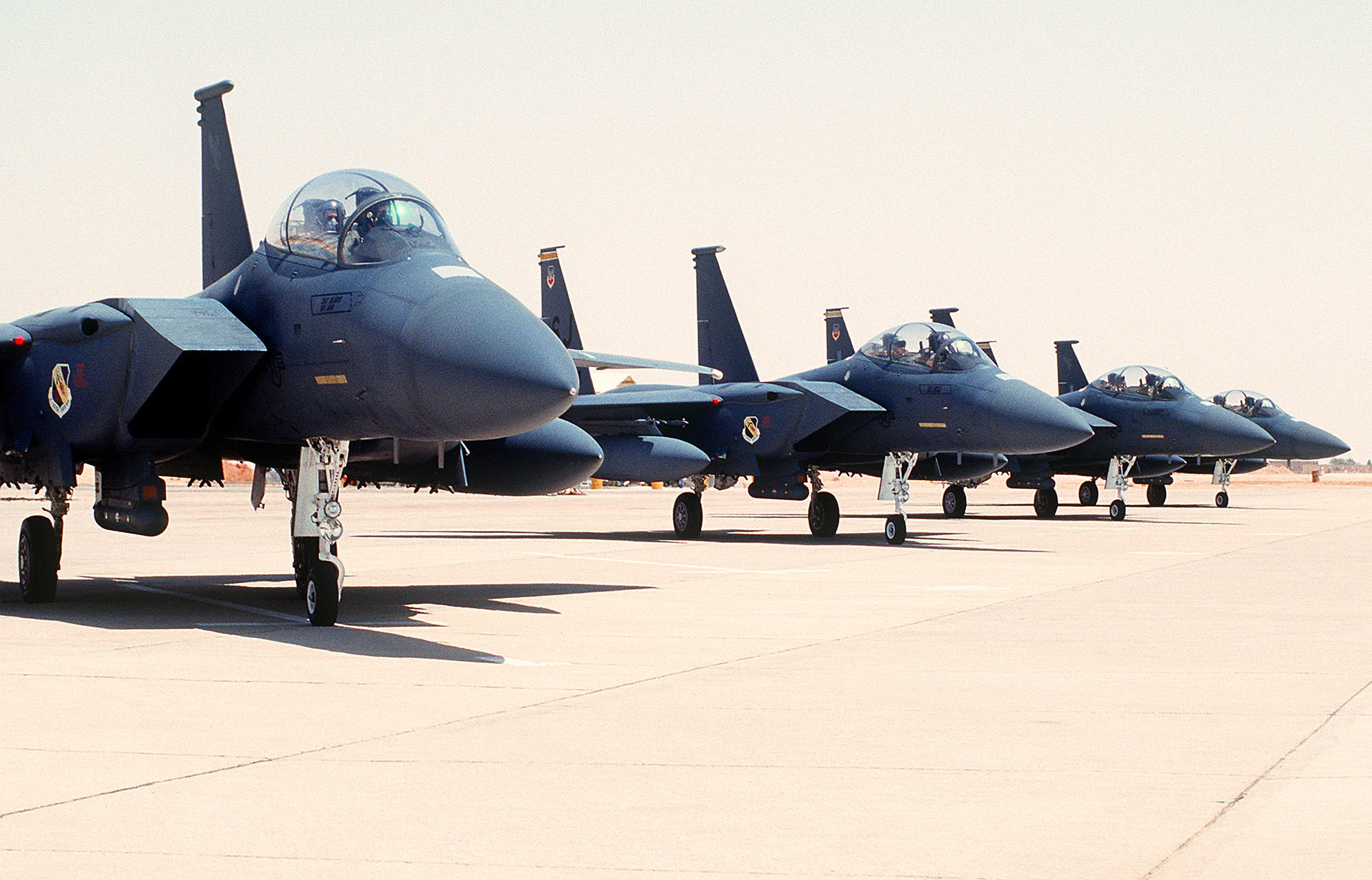
Washington, D.C., stands as a landscape rich with physical tributes to American history, sacrifice, and innovation. From the iconic Lincoln Memorial to the solemn Capitol Rotunda, and extending for miles in every direction, the nation’s capital is home to numerous monuments, each commemorating unique moments and the individuals who shaped them.
These memorials reflect distinct historical circumstances. The World War II Memorial, grand and classically inspired, honors the more than 400,000 American men and women who perished in the European and Pacific theaters. The Korean War Memorial evokes the steadfast determination of troops navigating the harsh conditions of the icy peninsula, where over 43,000 Americans died defending South Korea. The Vietnam Veterans Memorial, a polished granite wall cutting into the earth, bears the names of 58,320 Americans who lost their lives in service.
A new national memorial is now planned to honor the men and women who served in Operation Desert Storm, a significant American military engagement notable as the first major conflict fought by an entirely volunteer force. The approved design for this memorial is intended to evoke the final 100 hours of the ground campaign, a critical phase of the broader 1,000-hour conflict. However, this landscaped design, referred to as a “left hook,” has drawn criticism from some who argue it may not fully encapsulate the unique contributions and strategic innovations of this historical moment.
Operation Desert Storm is often distinguished not by a high cost in American lives, but rather by the relatively low number of casualties sustained during a campaign widely regarded as a highly effective military operation. Official figures indicate 148 American fatalities, with the majority occurring in non-combat incidents, predominantly training accidents, before the active fighting began. This stands in stark contrast to the casualty rates of previous major American conflicts.
The “left hook” maneuver, which involved American ground forces bypassing Saddam Hussein’s entrenched army by swinging wide around its western flank to cut off escape routes, represented a key tactical element. However, it was one component within a much broader and complex strategic plan executed by the coalition forces, led by Army Gen. Norman Schwarzkopf. Preceding the ground offensive was a 42-day air campaign, which many military strategists credit with significantly degrading Iraqi capabilities.
Under the command of General Schwarzkopf and his Air Force deputy, Gen. Chuck Horner, coalition forces implemented and operationalized a range of emerging military capabilities. This strategic approach reportedly enabled a force of more than half a million service members to achieve decisive objectives with a casualty rate of less than 0.03 percent. Such a low casualty rate for a force of that size in a major conflict was unprecedented at the time.
While some might perceive the conflict as a lopsided engagement, military analysts often point out that Iraq possessed a formidable military. At the time of its invasion of Kuwait in the summer of 1990, Iraq commanded the fourth-largest army globally. Its forces were equipped with advanced Soviet-built T-72 tanks, sophisticated integrated air defenses, and possessed significant battlefield experience from its protracted war with Iran in the 1980s. This suggests that the coalition faced a well-equipped and experienced adversary.
The success of Desert Storm is frequently attributed to a combination of technological superiority, extensive logistical planning, innovative strategy, and robust international diplomacy.
Technological advancements played a critical role, notably the deployment of stealthy F-117 Nighthawk jets, which were capable of penetrating Iraqi air defenses undetected to strike strategic targets within Baghdad. The conflict also saw the widespread use of laser-guided weapons, enabling a level of precision in aerial attacks that was largely unparalleled in previous warfare.
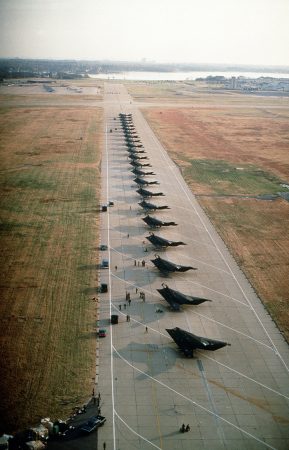
Logistics played a crucial role in enabling the U.S. and its allies to deploy, sustain, and maneuver hundreds of thousands of personnel, tens of thousands of vehicles, and thousands of aircraft across vast desert distances, positioning them effectively for military operations.
The strategic approach systematically aimed to dismantle Iraq’s ability to command and control its forces and prosecute the war. Critical infrastructure, including electricity grids, communication networks, command centers, and fuel depots, were targeted. This strategy sought to disorient and incapacitate Iraqi forces, limiting their capacity for organized resistance. Deception tactics further enhanced the coalition’s operational advantage.
Diplomacy was also a significant factor, with the United States orchestrating a broad international coalition of partners who rallied in defense of Kuwait, aligning themselves under American leadership.
Given these factors, some observers and veterans’ groups contend that a memorial to Operation Desert Storm should reflect the broader strategic and technological shifts that defined the conflict. They argue that Desert Storm marked a pivotal moment in the evolution of warfare, demonstrating that strategic targeting, clear objectives, and overwhelming, precisely applied force could achieve rapid and decisive outcomes. Proponents of this view emphasize that airpower was not merely a supporting element but a key force in significantly reducing Iraq’s military capabilities before coalition ground forces fully engaged. They suggest that the substantial role of airpower was instrumental in achieving victory with a comparatively low number of American casualties.
Advocates for a revised design propose that any memorial to Operation Desert Storm should highlight what they consider the enduring lessons of the victory: the efficacy of strategic targeting, the value and utility of airpower, and the advantage gained through high-speed maneuver and technological superiority.
While the planned memorial is acknowledged as a long-overdue tribute to those who served, concerns persist among some stakeholders that the approved design may not adequately capture the full scope of the conflict’s historical significance and its impact on modern military doctrine. Calls have been made for reconsideration of the design by entities such as Congress or the National Park Service, suggesting that a more comprehensive representation of Desert Storm’s unique characteristics is warranted.
Why This Matters
The debate surrounding the design of the National Desert Storm and Desert Shield Memorial extends beyond aesthetics; it touches upon how a nation interprets and commemorates its military history, particularly conflicts that redefine strategic thinking. The way Operation Desert Storm is memorialized carries significant implications for several reasons:
- Historical Interpretation and Legacy:Memorials serve as concrete representations of collective memory, influencing public understanding of historical events. A memorial’s design shapes the narrative of a conflict, emphasizing certain aspects over others. For Desert Storm, the discussion highlights a tension between commemorating the ground forces’ tactical achievements and recognizing the broader strategic and technological innovations, particularly the role of airpower, that proponents argue minimized casualties and shaped future warfare.
- Military Doctrine and Future Conflicts:Operation Desert Storm is widely considered a watershed moment in military strategy, showcasing the potential of precision-guided munitions, stealth technology, and coordinated air-ground operations. The emphasis placed on these elements in the memorial’s design could reinforce or challenge prevailing military doctrines, impacting how future generations of military planners and the public understand effective modern warfare.
- Recognition of Service Branches:The discussion also reflects inter-service dynamics and the desire for equitable recognition of contributions from all branches. While the “left hook” design focuses on a key ground maneuver, critics argue it may overlook the pivotal and transformative role of airpower, logistics, and diplomatic efforts. This underscores the challenge of creating inclusive memorials that honor diverse contributions to a unified military effort.
- Public Discourse and National Identity:Memorials are points of national reflection and pride. The process of designing and approving them often involves robust public debate, reflecting differing perspectives on national values, heroism, and sacrifice. The ongoing discussion about the Desert Storm memorial highlights the importance of inclusive dialogue in shaping national monuments that resonate with veterans, their families, and the wider public, ensuring that the legacy of those who served is accurately and comprehensively represented.
- Precedent for Future Commemorations:How the Desert Storm memorial dispute is resolved could set a precedent for how future conflicts, especially those characterized by technological advancements, asymmetric warfare, or unique casualty profiles, are commemorated. It underscores the necessity for memorial designs to evolve alongside the nature of warfare itself, striving for representations that are both historically accurate and deeply meaningful.