
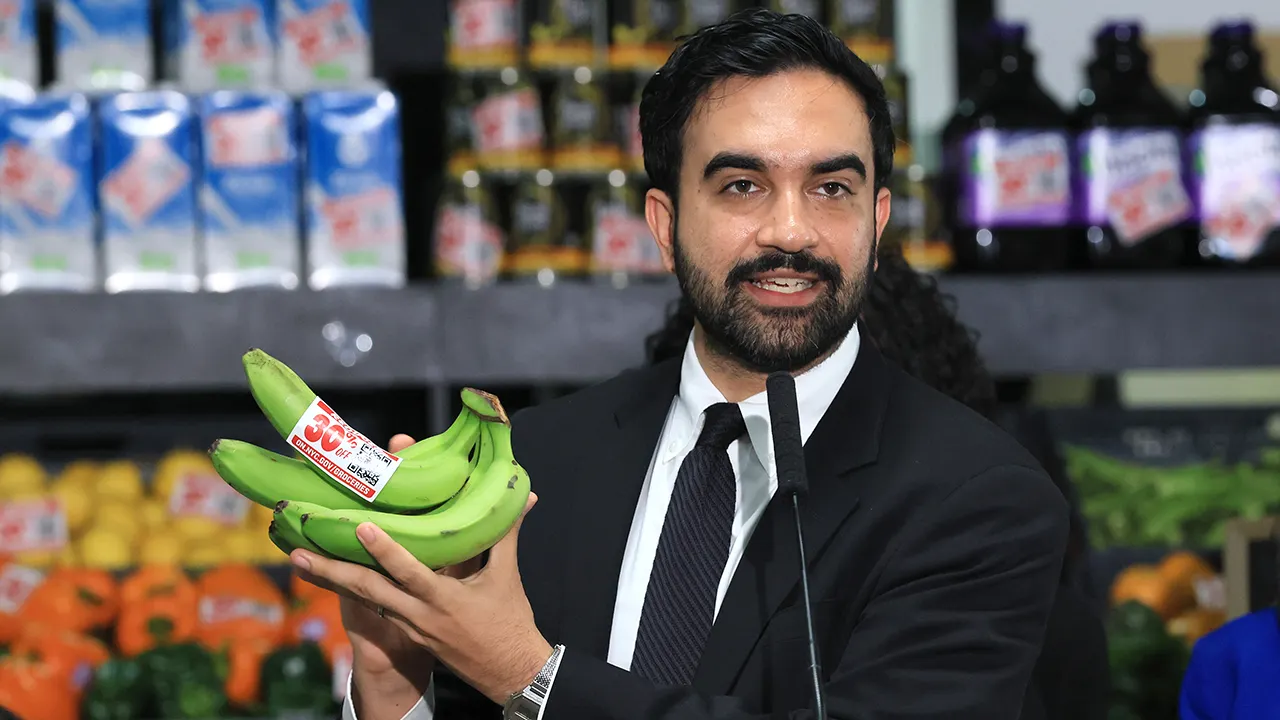
New York City Mayor Zohran Mamdani responded to a new class-action lawsuit from the Multicultural Business Coalition against the administration’s plan to open five city-owned grocery stores. (WNYW)
**Key Takeaways:**
1. **Market Distortion & Competition:** NYC Mayor Mamdani’s plan for taxpayer-subsidized grocery stores offering a 30% discount threatens to severely distort the city’s intensely competitive, low-margin retail food market, potentially leading to significant financial pressure and closures for private businesses.
2. **Taxpayer Burden & Economic Inefficiency:** The proposed 30% discount, directly subsidized by taxpayers, raises serious questions about long-term fiscal sustainability and represents an inefficient allocation of public funds into a sector already served by a robust private market, masking true operational costs.
3. **Investor & Business Confidence Erosion:** The city’s direct intervention in a commercial sector sets a concerning precedent, potentially deterring future private investment in NYC’s retail infrastructure and undermining confidence among existing small and large businesses already grappling with high operational costs.
New York City Mayor Zohran Mamdani’s ambitious proposal to establish five city-owned grocery stores, promising a significant 30% discount to shoppers, has ignited a fervent debate among financial experts, existing retailers, and policymakers. During a recent interview at the prestigious DealBook Summit, Mamdani faced pointed questioning from New York Times columnist Andrew Ross Sorkin regarding the economic viability and broader market implications of such a plan. The Mayor’s responses, largely sidestepping direct financial calculations, have intensified concerns about the potential for market distortion and the substantial taxpayer burden.
Sorkin, highlighting the notoriously razor-thin profit margins of 1% to 4% that characterize the highly competitive supermarket industry, pressed Mamdani on the fundamental economics. “How is this going to work at all? Just walk through the math when you think about it,” Sorkin inquired, challenging the Mayor to reconcile a 30% discount with an industry struggling to net single-digit profits. Mamdani’s concise reply – “It’s going to be subsidized” – confirmed the plan’s reliance on public funding, but failed to quell deeper anxieties about its long-term impact.
“Right, it is going to be subsidized. Okay, and so my question is how you see that subsidy long-term affecting the other supermarkets in the city?” Sorkin continued, seeking clarification on the competitive landscape. Mamdani, however, pivoted the conversation, focusing instead on the plight of New Yorkers grappling with persistent inflation. He framed the initiative as a necessary public intervention, echoing consumer frustrations: “‘Explain the math to me’ of how the same thing that I used to buy a couple of years ago has now skyrocketed in price.”
New York City Mayor Zohran Mamdani holds up bananas as he speaks at a food distribution center on July 27, 2026, in the Brooklyn borough of New York City. (Spencer Platt/Getty Images / Getty Images)
While acknowledging the very real pressures of consumer price inflation, particularly in essential goods like groceries, market analysts point out that Mamdani’s justification sidesteps the core economic principles at play. The grocery sector is a complex ecosystem, with supply chain costs, labor wages, real estate expenses (exorbitant in NYC), and energy prices all contributing to retail prices. Subsidizing consumer prices by 30% effectively means the city, and by extension its taxpayers, would be absorbing a significant portion of these operational costs, well beyond typical market inefficiencies. This approach introduces an artificial pricing mechanism that could severely undercut private businesses that must operate within commercial realities.
The Mayor’s assertion that subsidized services are justified when deemed necessary by the public, drawing parallels to public transportation, schools, libraries, and sanitation, raises further questions. While these are indeed public goods with broad societal benefits, they typically operate in areas where private markets are either non-existent, highly inefficient, or where universal access is a paramount social goal. The grocery market in New York City, by contrast, is highly saturated and competitive, ranging from large supermarket chains to independent bodegas and specialty stores, all vying for consumer dollars. Introducing a direct government competitor with an inherent pricing advantage, funded by the very taxpayers who sustain these private businesses, is a fundamentally different proposition.

FILE — New York Mayor Zohran Mamdani plans to open city-owned grocery stores in an effort to lower food prices. (Getty/iStock / Getty Images)
The potential for market displacement and unfair competition is a primary concern for the existing retail food industry. The Multicultural Business Coalition has already filed a class-action lawsuit, signaling the gravity of the threat perceived by local enterprises. Experts have echoed this sentiment, with some characterizing the plan as an “illusion” that will ultimately burden taxpayers and undermine the existing economic framework. NYC grocers have vociferously sounded the alarm, predicting significant customer losses and potential business failures. In a market where margins are already razor-thin, a 30% price disparity, irrespective of operational efficiency, could be devastating for small and medium-sized businesses that lack the deep pockets of a municipal treasury.
Furthermore, the long-term implications extend beyond immediate competition. Such an intervention could discourage future private investment in the city’s retail food infrastructure. Why would a private grocery chain expand or modernize its facilities in New York City if it faces direct, subsidized competition from the very government that sets the rules? This ‘crowding out’ effect could stifle innovation, reduce overall choice in the long run, and ultimately lead to a less dynamic and resilient grocery market, contrary to the Mayor’s stated goals of improving access and affordability.
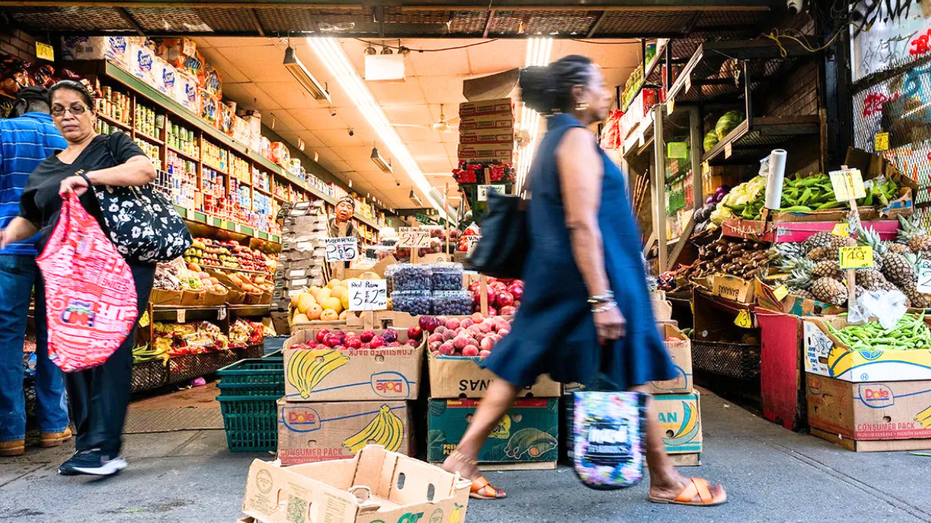
FILE — Bodegas and small grocery stores have long been fixtures of New York City neighborhoods, serving generations of residents often just steps from their homes.(Spencer Platt/Getty Images / Getty Images)
Mamdani concluded his remarks by expressing a desire for the public sector to become so exemplary that even affluent New Yorkers would choose its services. While this vision of public sector excellence is aspirational, it fundamentally misinterprets the role of government in a mixed-market economy. The goal of public services, particularly in commercially viable sectors, is typically to address market failures or provide safety nets, not to directly compete with and potentially dismantle private industry through subsidized pricing. The financial community views this as a high-risk strategy, not just for the grocery sector, but as a precedent that could invite government intervention into other profitable industries, eroding investor confidence and market predictability.
Market Impact:Mayor Mamdani’s subsidized grocery store initiative, while framed as a response to inflation, is poised to create significant market dislocations in New York City’s retail food sector. The direct competition from city-funded stores offering a 30% discount presents an existential threat to private supermarkets, independent grocers, and bodegas, potentially leading to bankruptcies, job losses, and a contraction of the tax base from these businesses. Beyond the immediate sector, the plan signals an increased willingness for municipal government to enter and distort competitive commercial markets, which could deter private capital investment across various industries in NYC. This policy carries substantial fiscal risks for taxpayers, who will bear the cost of perpetual subsidies, and introduces an element of regulatory uncertainty that could negatively impact long-term economic growth and the overall health of the city’s private enterprise ecosystem.
CLICK HERE TO DOWNLOAD THE FOX NEWS APP