
Ashley Webster and former CISA Executive Director Bridget Bean discuss a major cybersecurity
breach affecting the CIA and ODNI.
**Key Takeaways**
1. **Reputational and Commercial Risk:** While deemed “limited,” the cyberattack on FIFA underscores the severe reputational damage and potential commercial repercussions that even minor data breaches can inflict on global brands, especially those reliant on licensing, sponsorship, and public trust.
2. **Investor Scrutiny on Data Integrity:** The reported security of files related to FIFA’s shelved $4.2 billion World Cup stake sale highlights how data integrity and robust cybersecurity frameworks are non-negotiable considerations for potential investors eyeing commercial ventures in major sports or entertainment organizations.
3. **Heightened Systemic Cyber Risk:** FIFA’s incident aligns with a troubling global trend of escalating cyber threats impacting critical infrastructure and major corporations, signaling increasing due diligence requirements for all market participants and intensified regulatory pressure on data governance.
The world’s most powerful football organization, FIFA, confirmed Thursday it fell victim to a criminal cyberattack, a development that, despite impacting a “limited” amount of personal and business data, sends ripples across global markets increasingly sensitive to digital vulnerabilities. While the organization reported that critically sensitive files pertaining to its abandoned $4.2 billion World Cup stake sale were reportedly untouched, the incident itself raises significant questions about data security, reputational resilience, and the broader commercial implications for a multi-billion-dollar global enterprise.
According to Reuters, citing an anonymous source, the intrusion affected less than 0.1% of FIFA’s total data. Crucially, the source indicated that documents linked to the highly contentious “FIFA Forward Enterprise” initiative remained secure. This particular detail is salient for financial observers, as the “FIFA Forward Enterprise” represented a strategic, albeit controversial, attempt to unlock substantial commercial value from FIFA’s premier asset, the World Cup, by engaging private investors.
The context of the “FIFA Forward Enterprise” cannot be overstated. In July, FIFA President Gianni Infantino made the decision to shelve the proposal following considerable backlash from national federations and other stakeholders. Under this ambitious plan, FIFA aimed to attract up to $4.2 billion from private investors, offering in return a 20% equity stake in a new commercial subsidiary specifically established to manage its major tournaments, most notably the FIFA World Cup. For potential investors, the security and integrity of all data – financial projections, commercial contracts, proprietary strategies, and sensitive personal data of executives and partners – would have been paramount. A breach, even a small one, could significantly erode investor confidence, casting a long shadow over any future attempts to commercialize core assets or forge strategic partnerships. The reported security of these specific files offers a small reprieve, but the very occurrence of the attack highlights the persistent threat landscape faced by high-value entities.
“FIFA can confirm that it has been the victim of a criminal cyberattack resulting in unauthorized access to a limited set of personal and business information,” a FIFA spokesperson told FOX Business in a statement. The organization emphasized its immediate collaboration with relevant authorities, including law enforcement, to address the breach.
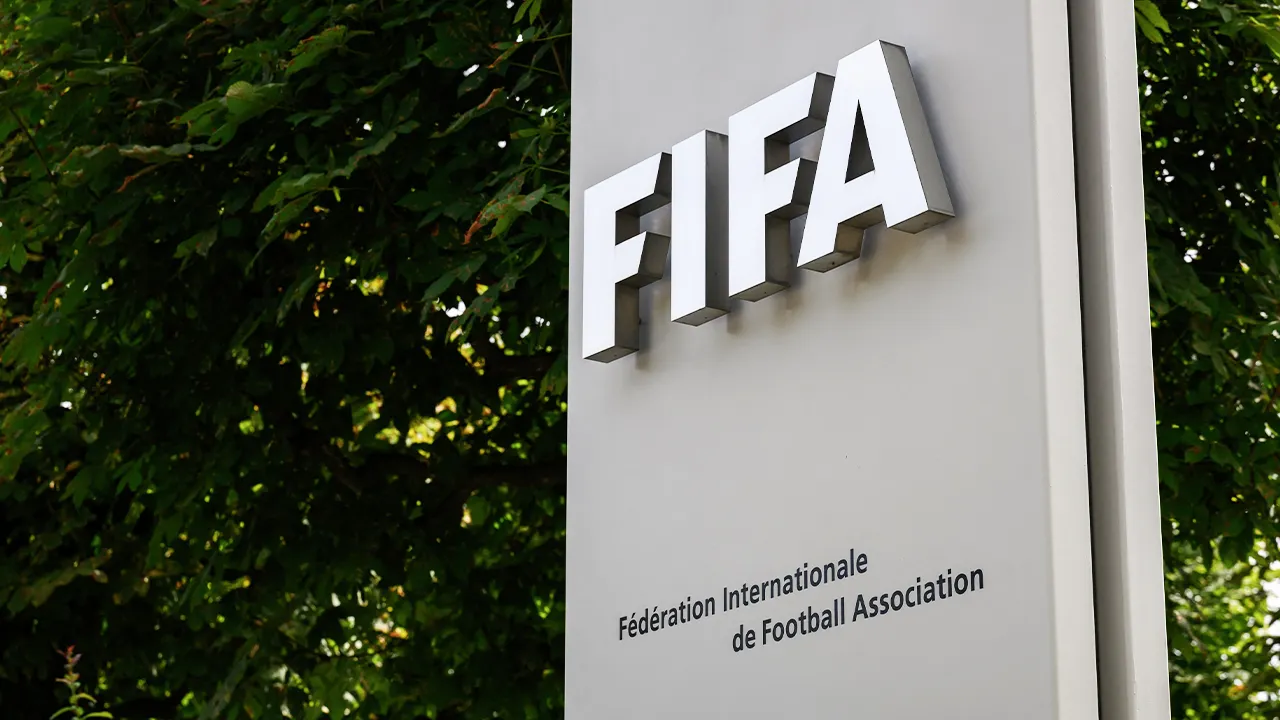
This photograph shows a sign of the FIFA at the entrance of the world football’s governing body
headquarters in Zurich 27, 2026. (Fabrice COFFRINI / AFP via Getty Images / Getty
Images)
The spokesperson’s strong condemnation of the “unlawful acquisition and publication of information, particularly
personal data,” underscores the severe legal and reputational risks associated with such incidents. Such actions,
FIFA noted, “constitute a serious and unacceptable violation of privacy and can have significant consequences
for the individuals concerned.” Beyond individual privacy, breaches of this nature can trigger substantial fines
under global data protection regulations like GDPR, depending on the residency of affected individuals, adding
another layer of financial exposure to the incident.
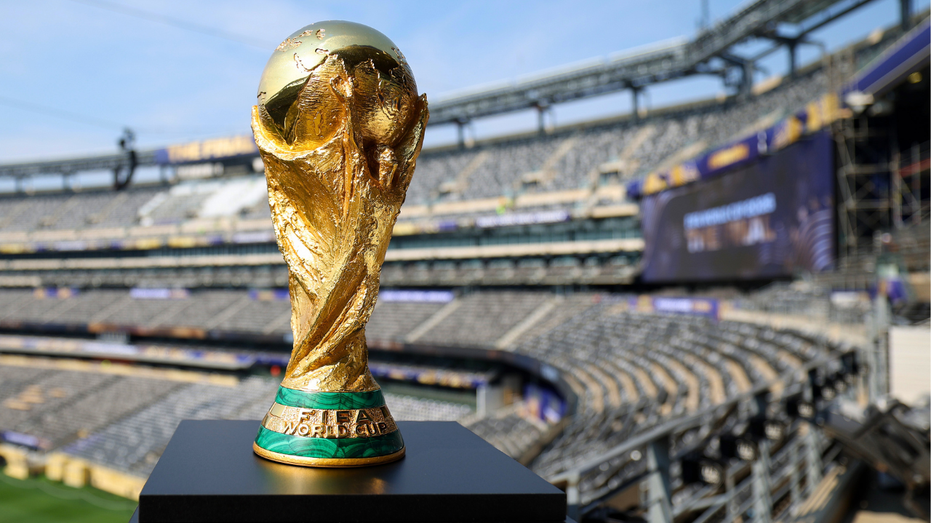
With the trophy and a record $50 million on the line, Sunday’s final will bring the richest FIFA
World Cup in history to a close.(Jordan Bank/FIFA/Getty Images / Getty Images)
This disclosure arrives amidst a period of heightened global apprehension regarding digital vulnerabilities and
the resilience of critical infrastructure. Recent weeks have witnessed a spate of widespread technology outages
and sophisticated cyber threats impacting major sectors across North America and Europe. In the United States, a
series of cascading technical disruptions affected prominent banks, commercial aviation systems, critical
payroll platforms, and even federal agencies. While federal officials have largely ruled out a coordinated
nation-state cyberattack for these specific U.S. incidents, the cumulative effect has been a palpable increase
in market anxiety and a strong push from national security experts for enhanced corporate and governmental
transparency regarding cyber incidents.

Artificial intelligence is increasing the speed at which potential cyber threats can identify
vulnerabilities, analyze them and determine how to respond, according to Rahimov.
(LEBERUS / iStock)
The FIFA incident thus fits into a broader, troubling pattern. It highlights the systemic risks faced by any
organization operating on a global scale, where vast amounts of sensitive data are constantly in transit and
storage. For publicly traded companies, a cyberattack can lead to immediate share price declines, increased
insurance premiums, and a re-evaluation of their enterprise risk management frameworks by investors. Even for
private entities like FIFA, which generates multi-billion dollar revenues through media rights, sponsorships,
and licensing, the specter of compromised data directly impacts brand equity and the attractiveness of future
commercial ventures.
Details regarding the precise timeline of the hack, the exact categories of corporate files exposed beyond the
“limited” description, and the specific number of affected individuals or commercial partners remain
undisclosed. Although FIFA acknowledged that stolen material was unlawfully published, the organization has not
specified the platforms or locations where these records appeared, leaving market participants and data privacy
advocates with lingering questions.
CLICK HERE TO GET FOX BUSINESS ON THE GO
Market Impact
The FIFA cyberattack, while specific to a sporting entity, sends a clear signal across global markets about the
pervasive and evolving nature of digital threats. For publicly traded companies and major private enterprises,
particularly those in high-profile sectors like sports, entertainment, or financial services, such incidents
immediately trigger investor concern regarding operational resilience, data governance, and potential financial
liabilities. This heightened risk environment is driving increased cybersecurity spending, prompting more
rigorous due diligence in M&A activities, and intensifying regulatory demands for transparency and robust data
protection protocols. Companies failing to demonstrate sophisticated cyber defenses face not only direct
financial costs from breaches but also eroded market confidence, potential drops in valuation, and significant
hurdles in attracting future investment or strategic partnerships. The incident reinforces the notion that
cybersecurity is no longer merely an IT function, but a fundamental component of enterprise risk management and
a critical determinant of market viability.
Fox News Digital’s Morgan Phillips and Ashley J. DiMella and Reuters contributed to this report.