
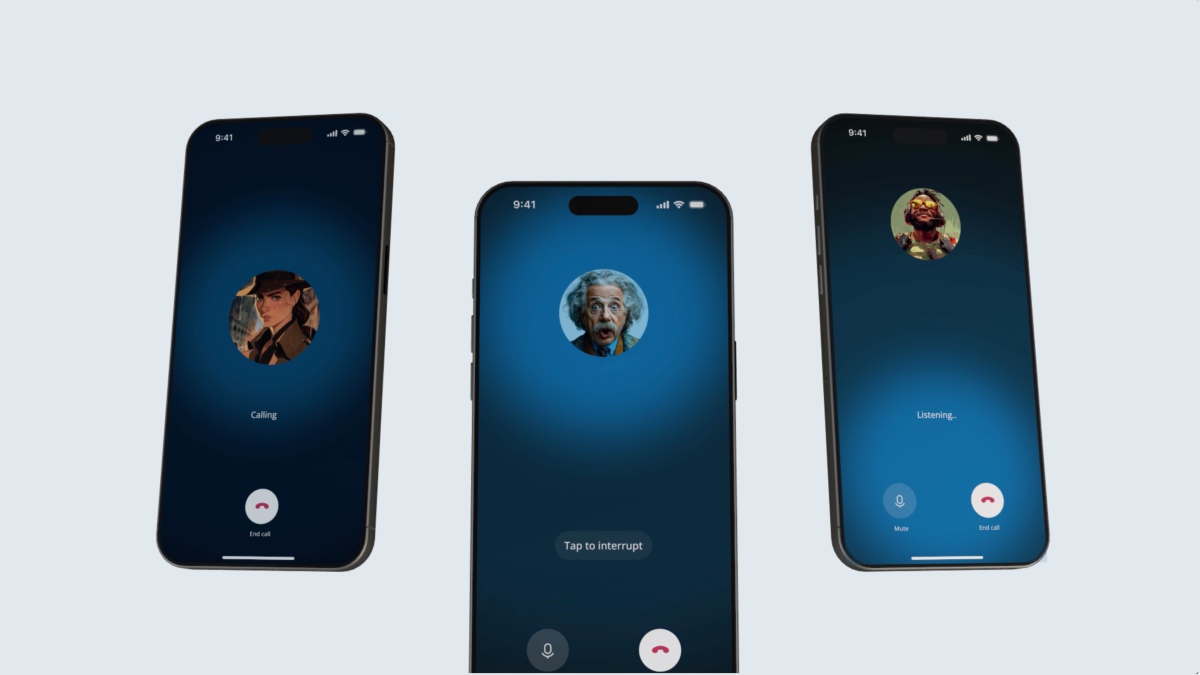
When an AI company goes bust, what happens to your deepest, darkest digital secrets? For millions of Character.ai users, the answer, alarmingly, appears to be: they get sold off to the highest bidder. This unprecedented move by the bankrupt AI chatbot maker to auction off sensitive user chat histories, including those of minors, has sparked a formidable backlash from a coalition of 42 state attorneys general.
Key Takeaways:
- A coalition of 42 state Attorneys General is fighting Character.ai’s plan to auction off private chat histories and personal data from over 21 million users, including 2.1 million minors, following its Chapter 11 bankruptcy.
- The AGs argue the sale violates Character.ai’s previous promises not to sell user data and provides no protections, allowing the anonymous buyer (Smirks and Pangs Acquisition LLC) to freely exploit or resell this highly sensitive information.
- This case sets a critical precedent for user data privacy in the age of AI, highlighting the urgent need for robust consumer protections, especially for minors, as new state chatbot safety laws are set to take effect.
Imagine engaging in deeply personal conversations with an artificial intelligence, confiding secrets, exploring ideas, or even navigating emotional challenges. Now, imagine that intimate digital dialogue, meticulously recorded and cataloged, being packaged for sale on the open market, destined for an unknown buyer with undisclosed intentions. This isn’t a dystopian sci-fi plot; it’s the stark reality facing millions of users of the AI chatbot platform, Character.ai.
The company, which filed for Chapter 11 bankruptcy in October, is attempting to offload its most sensitive asset: the private chat histories and associated personal data of its vast user base. This controversial plan has ignited a firestorm of opposition, with a bipartisan coalition of 42 state attorneys general intervening in the bankruptcy proceedings to prevent what they describe as a gross violation of consumer trust and a dangerous precedent for the burgeoning AI industry.
The Data at the Heart of the Controversy
According to individual press releases issued by the involved attorneys general, Character.ai’s dataset encompasses chat histories from more than 21 million U.S. accounts. Alarmingly, over 2.1 million of these accounts belong to minors, a demographic particularly vulnerable to data exploitation. Beyond the intimate conversations themselves, the proposed sale includes other personal identifiers, such as IP addresses, which can be used to track and profile individuals.
The sheer volume and sensitive nature of this data raise profound questions about privacy, identity, and the potential for misuse. Users often engage with AI chatbots on topics ranging from mental health to relationship advice, sharing information they might not disclose to even their closest human confidantes. The prospect of such deeply personal data falling into unknown hands, with no safeguards, is a nightmare scenario for digital privacy advocates.
A Broken Promise and a Shady Bidder
Central to the AGs’ opposition is Character.ai’s blatant disregard for its own past assurances. The company had previously promised consumers that their personal information would not be sold. In fact, even after filing for bankruptcy, a blog post from Character.ai attempted to reassure users that their information would still be protected under its privacy policy—a claim now rendered hollow by the proposed auction.
Adding another layer of concern is the opaque nature of the bidding process. So far, only one anonymous bidder has been disclosed: Smirks and Pangs Acquisition LLC (Smirks). This entity was conveniently established as a Delaware company on November 13, 2026, just one day before Character.ai selected it as the base bid for an auction scheduled for December 1. The California Attorney General, Rob Bonta, highlighted the suspicious timing and the complete lack of clarity regarding Smirks’s plans for the acquired chat data. Who is Smirks? What are their intentions? The answers remain shrouded in mystery, fueling fears of potential data weaponization or illicit resale.
No Protections, Looming Legal Battles
The coalition of attorneys general argues that the proposed sale offers no protections whatsoever for users. Whoever acquires this data would be free to do as they please, including reselling the information without disclosure or honor Character.ai’s original privacy policy. This effectively creates a wild west scenario where millions of sensitive digital footprints could be leveraged for targeted advertising, identity theft, or even more nefarious purposes.
Furthermore, the AGs claim that Character.ai has failed to provide the court with the same level of information about potential safety or legal issues post-sale that it has provided to the bidders. This asymmetry of information further undermines trust and transparency in the bankruptcy process.
The situation is complicated by impending legislation. Several states, including California, Colorado, New York, and Connecticut, have enacted chatbot safety laws that are set to take effect on January 1, 2027. Should the sale proceed, it could trigger immediate violations of these new consumer protection statutes, leading to further legal entanglements and potentially setting a dangerous precedent for how companies handle user data in a rapidly evolving regulatory landscape.
Voices of Outrage from State Leaders
California Attorney General Rob Bonta minced no words in his condemnation: “Character.AI promised consumers that their data would not be sold. This kind of behavior is illegal under federal and California law and bankruptcy should not be used to sidestep these consumer protections.” His statement underscores the AGs’ position that bankruptcy should not serve as a loophole for companies to evade their legal and ethical obligations to users.
Connecticut Attorney General William Tong offered an even sharper critique, targeting Character.ai’s business model itself: “Their chatbots drove vulnerable youth down a rabbit hole of emotionally volatile and sexually inappropriate chats. Their reckless misconduct and broken business model drove their company into the ground. Now they want to abuse the bankruptcy process to do exactly what they said they wouldn’t do — auction off those private chat records and personal details to a shady buyer.”
Tong drew a parallel to a previous intervention, adding: “We objected to the Disney sale, and we’re calling on the bankruptcy court to reject this sale too as yet another guise to eviscerate legal liability and consumer protection.” This reference highlights the AGs’ consistent vigilance over Character.ai’s dealings. The “Disney sale” involved a separate, though related, proposed $20 million licensing deal that would grant Disney access to Character.ai’s intellectual property, but crucially, not user chats. While that deal has not yet received final court approval, it demonstrates the AGs’ pre-existing scrutiny of the company.
Character.ai’s Troubled Trajectory
Character.ai’s journey to bankruptcy has been fraught with challenges. The company suffered a significant blow when its co-founders, Noam Shazeer and Daniel De Freitas, returned to Google. This departure coincided with Google signing a non-exclusive license to use the AI startup’s technology, further weakening Character.ai’s independent standing. Additionally, the company faced multiple lawsuits related to child safety, including a tragic case involving the suicide of a 14-year-old Florida boy whose mother alleged he had become obsessed with a chatbot on the platform. These issues paint a picture of a company struggling with both its business model and its ethical responsibilities, ultimately leading to its financial distress.
The broad coalition opposing the sale of Character.ai user data includes attorneys general from Alaska, Arkansas, Colorado, Connecticut, the District of Columbia, Delaware, Florida, Georgia, Hawaii, Idaho, Illinois, Indiana, Kansas, Kentucky, Louisiana, Maine, Maryland, Michigan, Minnesota, Mississippi, Missouri, Nevada, New Hampshire, New Jersey, New York, North Carolina, North Dakota, Ohio, Oklahoma, Oregon, Pennsylvania, Rhode Island, South Carolina, South Dakota, Tennessee, Utah, Virginia, Vermont, Washington, Wisconsin, and West Virginia.
Bottom Line:
The battle over Character.ai’s user data is more than just a bankruptcy dispute; it’s a pivotal moment for digital privacy and AI accountability. The collective action by 42 state attorneys general sends a clear message: companies cannot use bankruptcy as a shield to abandon their ethical obligations or bypass consumer protection laws, especially when dealing with the highly sensitive personal data, including that of minors, generated through intimate AI interactions. The outcome of this case will set a critical precedent for how user data is handled in the inevitable future financial upheavals of the AI industry, underscoring the urgent need for robust legal frameworks that prioritize human privacy over corporate profit.
When you purchase through links in our articles, we may earn a small commission. This doesn’t affect our editorial independence.
{content}
Source:{feed_title}