
Audio of this text is delivered to you by the Air & House Forces Affiliation, honoring and supporting our Airmen, Guardians, and their households. Discover out extra at afa.org
If the forecast holds, the world’s busiest spaceport is poised to get even busier.
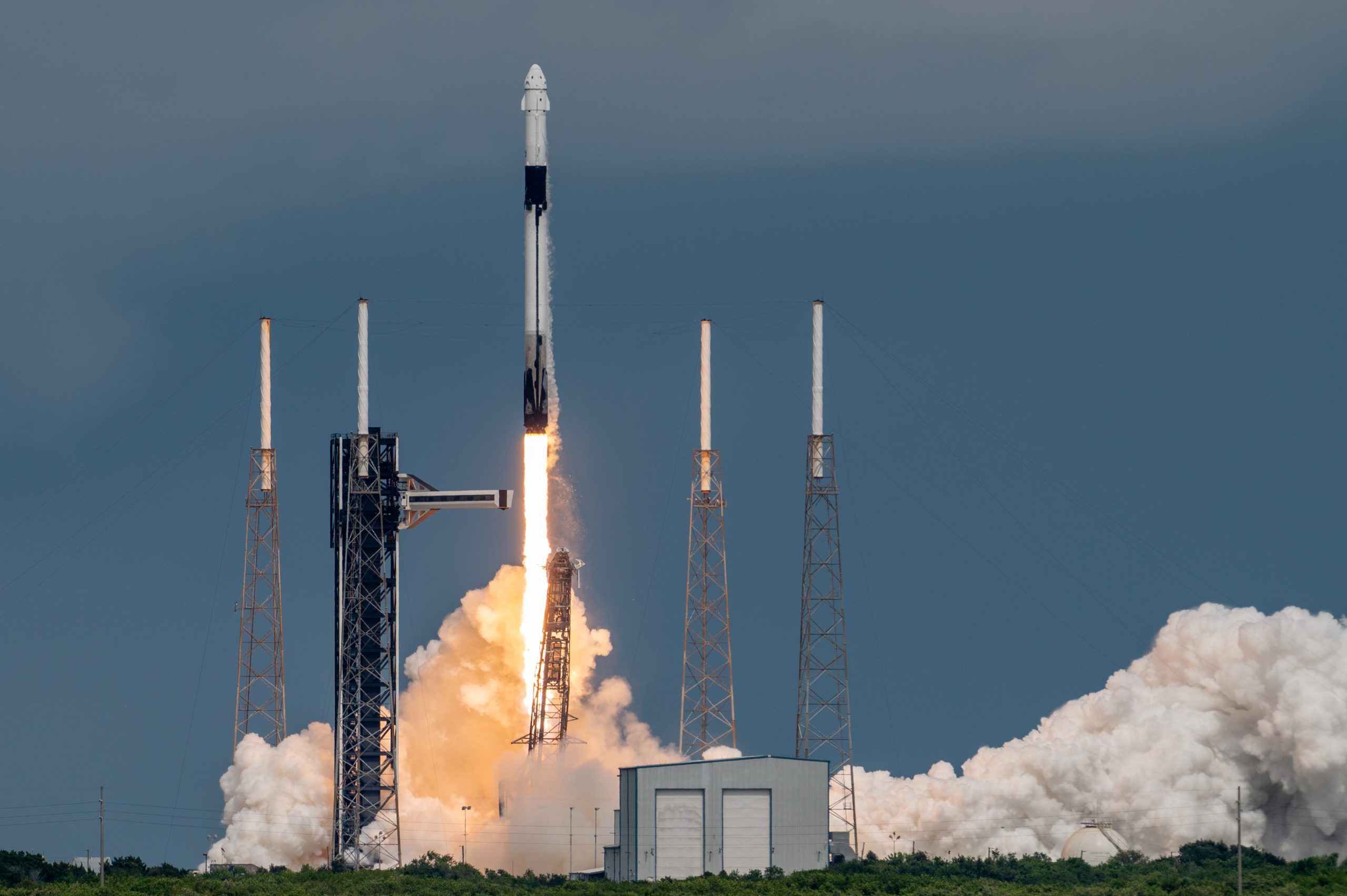
The House Power’s newest projections present that its Jap Vary at Cape Canaveral House Power Station in Florida may very well be supporting as many as 500 launches yearly by 2036—a fivefold improve over the following 10 years.
That forecast relies on enterprise projections from every of the key launch corporations who’ve pads on the spaceport, together with SpaceX, United Launch Alliance, and Blue Origin, in addition to newcomers like Firefly, Stoke, and Relativity. Their backlogs are crammed with business and authorities clients planning for proliferated constellations with lots of to 1000’s of satellites. They’re additionally seeing demand from the Pentagon itself, which is rising more and more depending on area for issues like navigation and communication and needs extra spacecraft to trace and even intercept threats.
Speedy progress is nothing new for the vary, which is dwelling to each Cape Canaveral and NASA’s Kennedy House Heart. Over the past decade, SpaceX’s mastery of reusable rocketry and its prolific launch charge—mixed with the rise of proliferated satellite tv for pc constellations and demand for space-enabled companies—has spiked the spaceport’s annual launch charge from round 18 missions in 2016 to 109 final yr.
The House Power lately been managing that progress by rethinking the way in which it operates its ranges, working them extra like business spaceports than authorities launch services. Meaning streamlining processes, introducing extra automation, relocating workplace buildings to extend effectivity, and pushing for coverage modifications that enable it to gather extra charges from the businesses that use its services and reinvest them in infrastructure enchancment tasks. Congress has allotted $1.3 billion between fiscal 2024 to 2028 for the service to make these enhancements on the Cape and its West Coast vary at Vandenberg House Power in California, a part of an effort known as “Spaceport of the Future.”
Col. Brian Chatman, who oversees operations on the Cape as commander of House Launch Delta 45, mentioned that funding helps reshape the panorama on the vary, however there’s extra work to be accomplished and extra assets wanted to fulfill an annual cadence of 500 launches—a milestone he thinks might come a lot earlier than 2036.
Chatman’s intuition to be ready for launch charges to develop sooner than anticipated relies on previous expertise. In 2017, the House Power projected the Jap Vary would hit the century mark—100 launchs per yr—by 2030. The service reached that cadence in 2025.
“We’re laying in plans now for 500 in ‘36, however I’d not be in any respect shocked if we noticed that occur sooner,” he instructed Air & House Forces Journal in an interview. “Proper now, 500 by 2030 is actually what I’m pushing the workforce to construct the plans to.”
Spaceport of the Future
With funding in hand for the primary section of the Spaceport of the Future infrastructure overhaul, SLD 45 has spent a lot of the final two years in design mode, finalizing constructing plans and relocating workplaces to make sure it’s benefiting from its restricted footprint.
One such mission entails relocating authorities workspaces which can be at the moment scattered all through what’s often known as the “industrial space,” the place launch service suppliers assemble and check their rockets and put together {hardware} to be transported. By consolidating the federal government capabilities in one other space of the vary, Chatman mentioned, corporations can broaden and use that area extra effectively.
One other mission will transfer among the vary’s climate balloon launch stations which can be at the moment located inside one of many launch advanced’s blast harm evaluation areas, which might trigger schedule points that Chatman mentioned have led to launches being scrubbed.
“Relocating the climate balloon launch facility extra inland to decouple it from the blast harm evaluation space of one of many launch complexes permits us then to have the ability to proceed to assist climate balloon releases whereas, concurrently, launches are taking place, and permits individuals to entry the climate balloon location to launch these climate balloons whereas we’re doing hazardous operations in and across the launch websites,” he mentioned.
Building on these and different section one tasks will begin early this yr and proceed for the following three years or so, Chatman mentioned.
Spaceport 2036
However the work received’t cease after that. Because the SLD 45 workforce completes the primary spherical of tasks, it’s additionally planning for upgrades it might want to assist the expansion it expects by 2036, if not sooner—tasks it didn’t account for as a part of the Spaceport of the Future initiative. The service continues to be finalizing its technique in partnership with NASA and its launch suppliers, and Chatman mentioned the objective is to have it finalized this summer time after which included as a part of the House Power’s fiscal 2028 price range request.
Via its conferences with business, the Jap Vary workforce recognized 5 broad focus areas it wants to deal with to assist a better launch cadence:
- infrastructure and utilities
- transportation and entry limitations
- commodity provide chains
- course of and organizational alignment
- expanded launch assist services
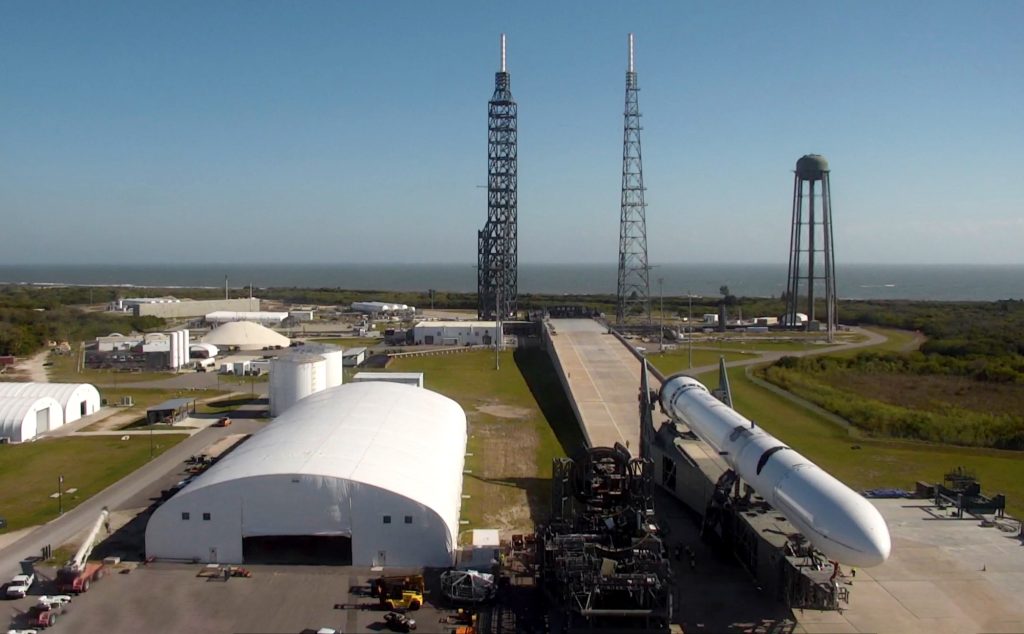
One main want, Chatman mentioned, is for a transport lane devoted to shifting rocket boosters throughout the vary. Right now, the bottom depends on one principal journey path to get on and off the Cape. Launch distributors use that very same lane to move rockets to the pad and—as extra corporations transition to reusable autos—to deliver spent boosters again to their processing services.
That wasn’t a problem when the vary was supporting 10 or 20 launches a yr, however at present, it presents an actual problem. Chatman mentioned the difficulty was on full show final November after Blue Origin’s New Glenn made its second flight and the corporate recovered its booster. Getting the booster from the wharf to the corporate’s processing facility took greater than 4 hours and triggered main disruption to site visitors circulation.
“That was 4 and a half hours that we needed to give you alternate means for personnel simply to get to work,” Chatman mentioned. “I’ve bought to have devoted routes for these transports to occur, once more, to maximise effectivity for all operations taking place now on the Jap Vary.
The vary can be contemplating modifications to the way in which it offers utilities and delivers commodities, like gas, to launch websites. Right now, it strikes gas by way of lots of of vehicles and is seeing a rising demand for energy and wastewater remedy, Chatman mentioned.
“As we glance to extend the quantity of launches, that will increase the quantity of wastewater that’s being produced,” he mentioned. “A wastewater remedy facility that may develop and keep on par with the necessities to have the ability to deal with that wastewater coming off these launch autos is one thing we didn’t account for within the first Spaceport of the Future.”
Close to-Time period Wants
Whereas the majority of those tasks shall be included in future price range requests, Chatman mentioned the vary is hopeful it would be capable of safe funding for a number of extra urgent wants within the fiscal 2027 price range, due for launch this spring. That features the booster transport lane and among the commodity distribution wants.
Chatman mentioned he’s additionally making an attempt to make a case for extra near-term funding to fill personnel gaps. SLD 45 has 3,000 personnel, about 2,000 of them authorities civilians. The vary has by no means totally recovered from cuts made throughout sequestration in 2012 after which took a further hit final yr as civilian workers left by way of the federal government’s deferred resignation program.
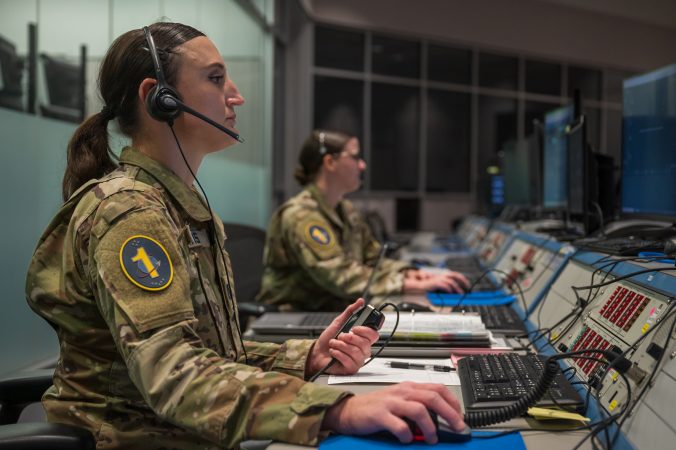
Right now, the vary has 450 permitted however unfilled manpower billets that Chatman mentioned he lacks the funding to fill. These positions are essential throughout what may very well be 5 to 10 years of building on the Jap Vary, offering all the pieces from authorized assist to navigate environmental rules to sustaining day-to-day operations.
“The workforce is totally getting after it, however one of many conversations we’re having inside House Techniques Command and throughout the Air Power and House Power is, I would like some further our bodies to have the ability to meet that cadence we’ve got going ahead,” Chatman mentioned. “We’re methodically going by and executing as quick and as exhausting as we are able to, however inside the constraints that we’ve got, simply from a restricted manpower and resourcing perspective.”
Audio of this text is delivered to you by the Air & House Forces Affiliation, honoring and supporting our Airmen, Guardians, and their households. Discover out extra at afa.org