
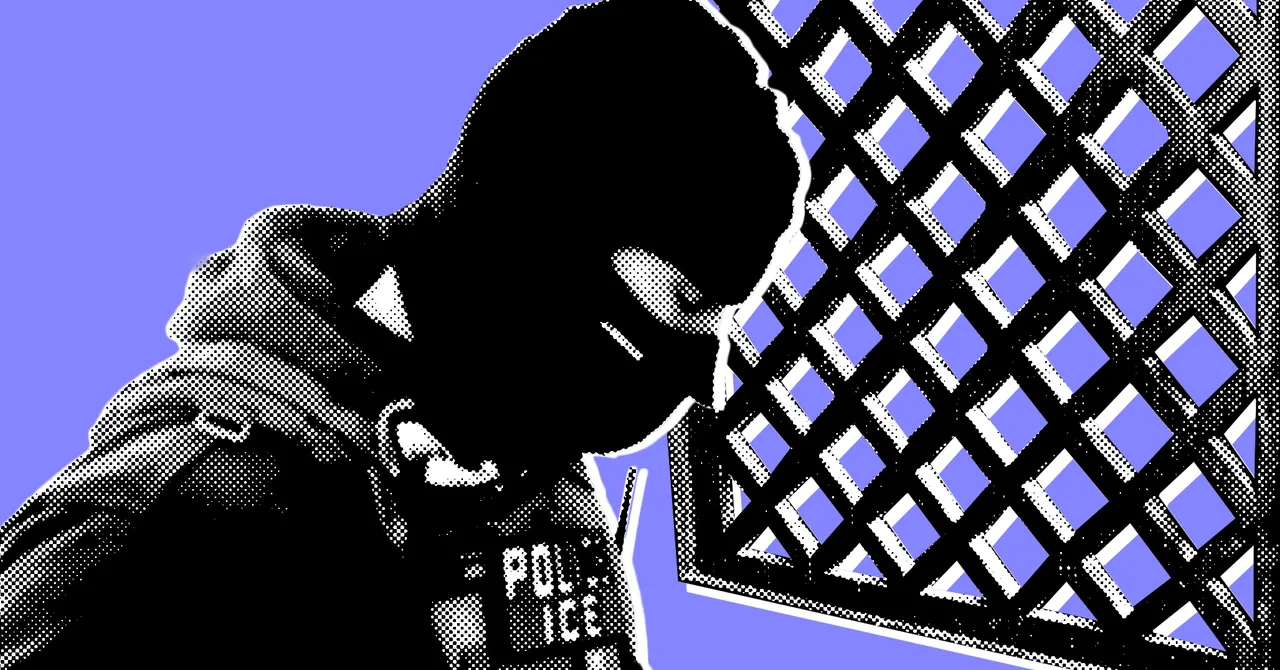
With immigration emerging asa principal concern of Donald Trump’s subsequent tenure, the Department of Homeland Security (DHS) assumed a pivotal role. Pursuant to the 2025 One Big Beautiful Bill Act, DHS, which is responsible for overseeing Immigration and Customs Enforcement (ICE), Customs and Border Protection (CBP), US Citizenship and Immigration Services (USCIS), and numerous other bodies, was allocated over $80 billion in supplementary finances. By January, the department declared the recruitment of more than 12,000 fresh personnel.
Despite the influx of immigration officers into urban centers such as Los Angeles and Minneapolis, DHS has upheld considerable secrecy regarding its activities. Personnel conducting raids and detentions frequently wear masks and operate unmarked vehicles. Since enforcement efforts have engaged federal law enforcement staff from across the government, discerning which agency a particular officer represents, much less their true identity, has grown challenging. While DHS has adopted an adversarial stance towards the press, ICE operatives themselves have largely remained silent, even if some harbor ambivalent sentiments about their duties and the agency’s future direction.
Karl Loftus, a freelance reporter managing the Instagram profile @deadcrab_films, launched a fresh initiative in the wake of the Minneapolis immigration expansion, titled Confessions of an ICE Agent. On this platform, he disseminates discussions with individuals employed in immigration enforcement throughout DHS. This encompasses operatives and personnel from ICE’s two primary branches—Homeland Security Investigations and Enforcement and Removal Operations—in addition to CBP officers. He grants them confidentiality and an avenue to express their views beyond conventional media frameworks, and, consequently, gains insight into the experiences of those within the agency, thereby constructing a historical record of this period.
In a particular entry, a mixed-race operative, commenting soon after Trump declared his intention to replace DHS Secretary Kristi Noem, conveyed to Loftus his conviction that Noem’s appointment was based on “DEI” principles. Elsewhere, an HSI operative labeled those governing the US as “fools,” asserting profound “disgust for almost all of them.” A different HSI agent voiced apprehension regarding DHS colleagues’ legal infringements and lamented the necessity of suspending inquiries into child sexual abuse matters to prioritize immigration duties. “Should child exploitation incidents receive even a fraction of the scrutiny, financial backing, assets, staff, analytical assistance, and so forth, currently allocated to immigration enforcement, immense positive impact could be achieved,” they remarked.
WIRED conversed with Loftus regarding the populace’s reaction to a divisive subject, his method for validating informants, and the compulsion to align with a particular viewpoint. A DHS representative, in reply to WIRED’s inquiry for commentary, stated an inability to confirm confidential discussions but affirmed that DHS and its Homeland Security Investigations division “is maintaining its pace and continues to be dedicated to every facet of its mandate, utilizing an integrated governmental strategy to tackle dangers to community well-being and national security.”
The following dialogue has undergone revisions for brevity and improved comprehensibility.
WIRED: Prior to this endeavor, your platform predominantly centered on subjects such as post-Hurricane Helene calamity restoration and comparable themes. What prompted your involvement with ICE?
Karl Loftus:During 2018, I served as a volunteer in North Carolina amidst Hurricane Florence. I remained there for four days throughout the storm, engaged in search and rescue efforts. That experience ignited my fervor for emergency relief. I had spent seven weeks in Jamaica addressing Hurricane Melissa, collaborating with several non-governmental organizations. I assisted Global Empowerment Mission in mending hospital and medical facility roofs, aiming to restore the healthcare framework. I was also involved with World Central Kitchen. My role included documentation. My intention was to travel to Wisconsin for the festive season, my home state, to visit relatives, yet I ultimately remained in Jamaica. By early January, I eventually journeyed to the Midwest to see family, coinciding with the Renee Good shooting incident. I thought, “Gosh, I knew things were about to spiral out of control the following day, bringing protests, riots, and similar disturbances.” Consequently, I opted to undertake the journey to Minneapolis.
{content}
Source:{feed_title}