
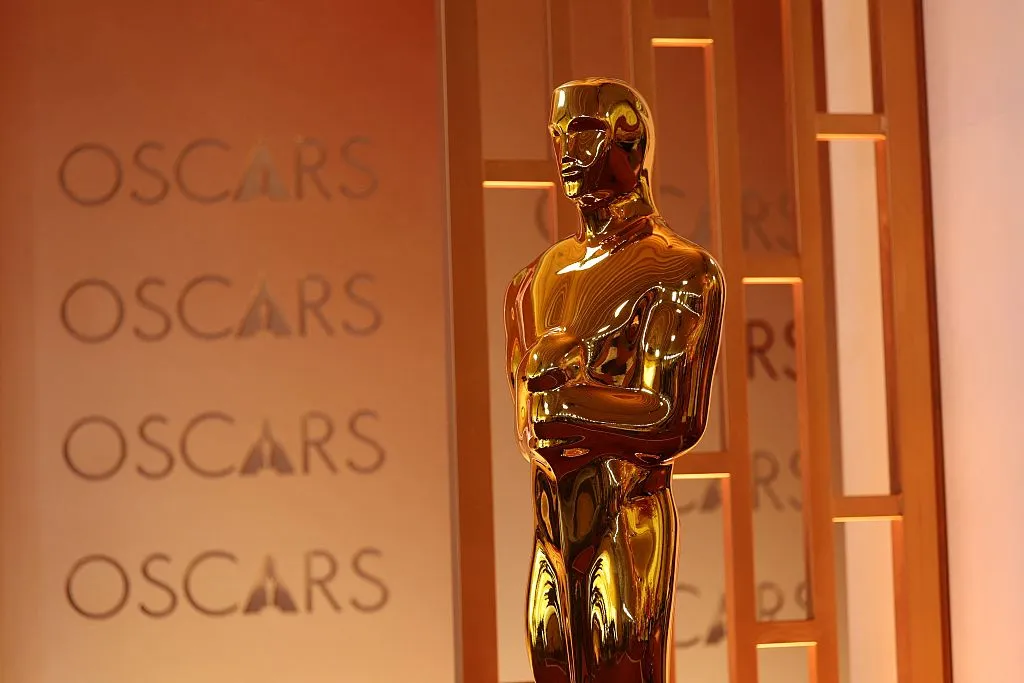
The organization behind the Academy Awards released new Oscar rules on Friday, including several that address the use of generative artificial intelligence.
Hollywood Draws a Line: Academy Awards Set Strict AI Rules Amid Tech Uproar
Key Takeaways
- Human Authorship Mandate:The Academy Awards now explicitly require performances to be “demonstrably performed by humans with their consent” and screenplays to be “human-authored” to be eligible for Oscars.
- AI-Generated Content Disqualified:This move largely disqualifies roles or scripts primarily created or performed by generative AI, even if based on real individuals or existing works, from competing for the coveted awards.
- Industry-Wide Response:The new rules reflect a growing pushback across creative industries, from film to publishing, to define and regulate the burgeoning influence of artificial intelligence in artistic creation, echoing the concerns from recent Hollywood strikes.
The shimmering world of Hollywood, often at the forefront of technological innovation in storytelling, is now confronting its newest and perhaps most profound challenge: generative artificial intelligence. In a decisive move signaling a deep commitment to human artistry, the Academy of Motion Picture Arts and Sciences (AMPAS) has unveiled stringent new rules for the upcoming Academy Awards, directly targeting AI-generated content. This isn’t just about protecting tradition; it’s a powerful statement on the very definition of creative merit in an increasingly automated landscape.
Drawing the Digital Line: What the New Rules Mean
The core of the Academy’s updated eligibility criteria revolves around a clear mandate for human authorship and performance. For performances, the rule now states that only those “credited in the film’s legal billing and demonstrably performed by humans with their consent” will be considered for an Oscar. This has significant ramifications for deepfake technology, AI voice synthesis, and digitally enhanced characters that might blur the line between human and machine.
Similarly, the screenplay categories have been fortified against AI encroachment. To be eligible, scripts must now be “human-authored.” This explicitly rejects screenplays where the primary creative input, structuring, or dialogue generation comes from AI tools, even if a human “prompts” the machine. The Academy has also reserved the right to demand additional information regarding a film’s AI usage and to verify “human authorship,” underscoring their seriousness about enforcement.
Beyond the Code: The Spirit of Creation
These rules are more than just technicalities; they are a philosophical declaration. They aim to safeguard the integrity of human creativity, emotion, and intellectual labor that traditionally define the cinematic arts. In an era where AI can mimic human expression with astonishing accuracy, the Academy is emphasizing the irreplaceable value of the human mind and body in the creative process.
Why Now? The Tipping Point for AI in Entertainment
The timing of these rule changes is no coincidence. The past year has seen a dramatic acceleration in the capabilities and adoption of generative AI, particularly within the creative industries. Hollywood, a bellwether for cultural shifts, has been at the epicenter of this debate:
- Val Kilmer’s Digital Double:An independent film project reportedly in the works aims to feature an AI-generated version of actor Val Kilmer. While built on his likeness and voice, the extent of his “performance” raises profound questions about agency and credit.
- The Rise of AI “Actresses”:Figures like AI “actress” Tilly Norwood have garnered headlines, showcasing the potential for virtual performers to populate screens without ever stepping foot on a set.
- Video Models & Creative Despair:New text-to-video and image-to-video models are advancing rapidly, leading some filmmakers and visual artists to express despair about the future of traditional production roles and the potential for a flood of synthetic content.
- The 2023 Strikes:AI was a central, contentious issue in both the Writers Guild of America (WGA) and SAG-AFTRA (actors’ union) strikes. Writers feared AI generating scripts or treatments, diminishing their value and intellectual property. Actors were concerned about their likenesses, voices, and performances being digitized, replicated, and exploited without consent or fair compensation, potentially eroding future job opportunities. These strikes highlighted the urgent need for industry-wide definitions and protections against unchecked AI usage.
Echoes Beyond Hollywood: A Broader Creative Reckoning
The Academy’s stance is not an isolated incident but rather indicative of a broader reckoning across creative sectors. Publishers, literary organizations, and art communities worldwide are grappling with similar dilemmas. Already, at least one novel has been pulled by its publisher due to the apparent, undisclosed use of AI in its creation, igniting debates about authenticity and authorial integrity. Other writers’ groups and artistic competitions are swiftly implementing rules declaring AI-generated work ineligible for awards, prizes, and even publication.
This trend underscores a collective human desire to preserve the unique spark of human creativity and to differentiate it from algorithmic outputs. It highlights a fundamental question: if a machine can create, where does the “art” truly reside, and who deserves the credit, and the recognition?
The Road Ahead: Navigating Innovation and Preservation
These new rules establish a critical precedent for Hollywood and potentially other creative industries. While they aim to protect human artists, they also open new avenues for discussion. What constitutes “consent” for a digital likeness? How will the Academy verify “human authorship” in an era of AI-powered writing assistants that can augment, rather than replace, human writers? The line between AI as a tool and AI as an author remains fluid, and the implementation of these rules will undoubtedly spark further debate and refinement.
The Academy’s decision marks a significant milestone in the ongoing conversation about AI’s role in art. It champions the human element, ensuring that for the foreseeable future, the industry’s most prestigious awards will celebrate the ingenuity, sweat, and soul of human creators.
The Bottom Line
The Academy Awards’ new AI rules represent a crucial defensive stand by Hollywood against the unbridled proliferation of generative artificial intelligence in creative works. By firmly prioritizing demonstrable human performance and authorship, the industry’s most influential body is not merely setting eligibility criteria; it’s drawing an ethical and artistic boundary. This move signals a wider, global push to define the sanctity of human creativity in the digital age, forcing tech developers and artists alike to confront fundamental questions about authenticity, intellectual property, and the irreplaceable value of the human touch in storytelling.
{content}
Source:{feed_title}