
Economists Stephen Moore and EJ Antoni examine Democratic tax strategies, such as New York Gov. Kathy Hochul’s solicitation to millionaires, and explain escalating gas prices on ‘The Bottom Line.’
Elevated electricity invoices are evolving into a recurring annoyance for countless Americans and an increasing influence in themidtermelections.
In contrast to more fluctuating expenditures like gasoline, electricity represents a constant, inescapable charge intrinsically linked with fundamental necessities — illuminating dwellings, regulating home temperatures, and fueling daily existence. This renders it particularly politically delicate during a period when numerous households continue to feel burdened by widespread inflation and steep housing costs.
CITIZENS CONFRONTED BY SURGING ELECTRICITY CHARGES AS TARIFF RISES SURPASS NATIONAL INFLATION
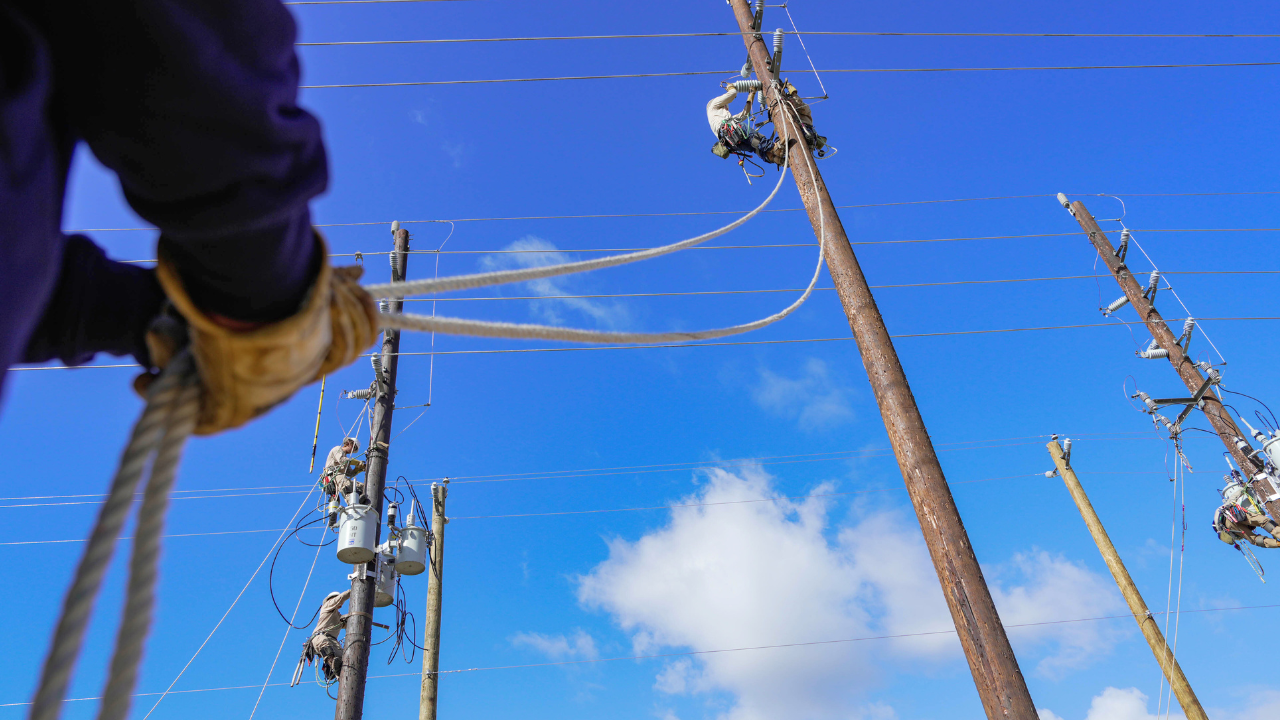
It is anticipated that both Republican and Democratic hopefuls will address increasing electricity expenses throughout the electoral circuit this midterm period.(Raquel Natalicchio/Houston Chronicle via Getty Images / Getty Images)
This matter is providing both political factions with novel electoral leverage, as Republicans portray elevated invoices as proof of flawed energy strategies, excessive regulatory control, and a transition away from fossil fuels. Meanwhile, Democrats highlight aid schemes for bills, infrastructure spending for the grid, and sustainable power encouragements, all designed to alleviate strain on domestic finances over the long term.
This contention is developing amidst distinct geographical disparities in electricity rates. National energy statistics reveal that household electricity expenses differ considerably across the country, demonstrating how cost burdens vary not merely by earnings, but also by location, foundational systems, and power source composition.
The most recent statistics from the U.S. Energy Information Administration established the countrywide mean at 17.24 cents per kilowatt-hour, an increase of 6% from the prior year. This surge surpasses income increases for numerous families and augments accumulated financial burdens from housing costs, coverage, and food expenses.
North Dakota boasts the minimum typical household electricity tariff in the nation at 11.02 cents per kilowatt-hour. Conversely, Hawaii — an anomaly influenced partly by its remote location and dependence on foreign energy sources — records the maximum, at 41.62 cents per kWh.
Nebraska, Idaho, Oklahoma, and Arkansas are also counted among the most affordable states, whereas California, Rhode Island, Massachusetts, and New York are grouped with Hawaii as the priciest. Numerous of the more expensive states are additionally undertaking ambitious sustainable power shifts or managing antiquated, more intricate power networks. These elements can elevate short-term expenses, even as they endeavor to regulate rates in the long term.
A number of the most economical states lean strongly Republican, a trend Republicans are apt to leverage to bolster wider points concerning power strategy and living expenses. This is true even though power prices are influenced equally by location, energy source accessibility, governance frameworks, and extended-period foundational system expenditures, as by political party dominance.
THE REGIONS WHERE CITIZENS INCUR THE HIGHEST — AND LOWEST — ELECTRICITY CHARGES
Inexpensive electricity, nevertheless, does not invariably signify budget-friendly energy. Extreme climatic conditions, domestic usage habits, home energy performance, deteriorating foundational systems, and regional power company rulings all impact what families finally disburse. For example, in warmer or cooler areas, even reduced tariffs can result in elevated recurring invoices owing to extensive air conditioning or heating consumption.
Power companies are additionally pursuing tariff hikes in numerous regions to fund power network upgrades, bushfire prevention, weatherproofing, and the proliferation of sustainableenergy— expenses that are often relayed to customers progressively but uniformly.
GET FOX BUSINESS ON THE GO BY CLICKING HERE
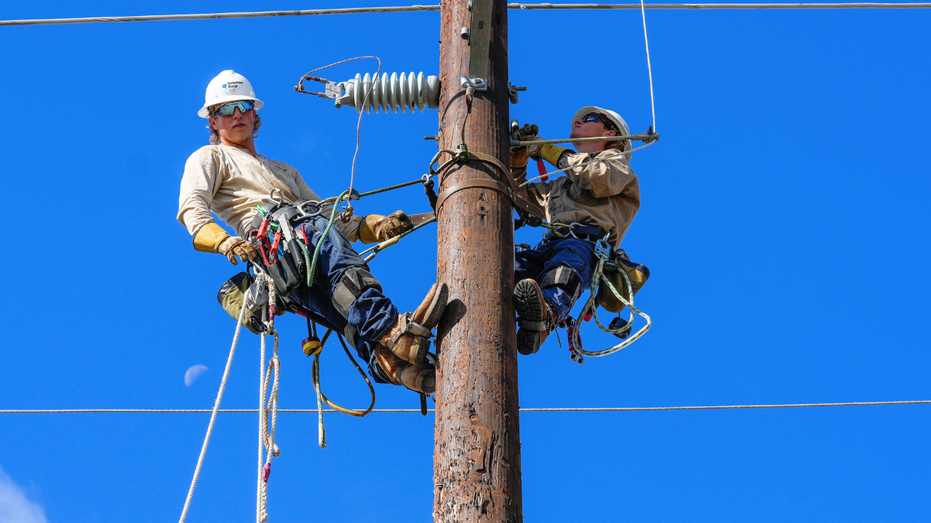
As hopefuls disperse nationwide prior to the midterm elections, electricity charges are evolving into a palpable emblem of domestic strain.(Raquel Natalicchio/Houston Chronicle/Getty Images / Getty Images)
Nonetheless, the political alignment trend may emerge as electorally advantageous during an electoral period marked by apprehension about domestic outlays and financial instability.
Fuel costsmight attract greater attention, yet power invoices possess a more enduring political impact: they appear monthly, are more challenging to reduce swiftly, and are frequently linked to regional service providers and oversight bodies. This offers hopefuls a clear avenue to relate countrywide power discussions to a palpable, regular domestic expenditure and to electorate discontent that is perceived not at the fuel station, but rather in daily domestic life.