
Keep abreast with complimentary notifications
Merely subscribe to the UK tax myFT Digest — dispatched directly to your inbox.
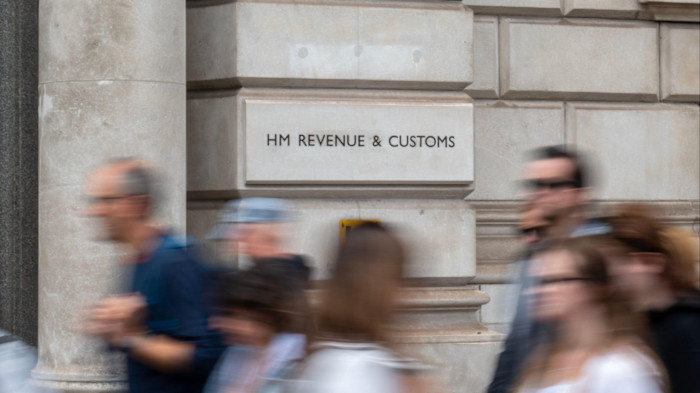
New information reveals that grievances concerning HM Revenue & Customs have escalated to a peak not witnessed in five years. This comes as the tax agency consistently falls short of its benchmarks for general client contentment, addressing telephone inquiries, and replying to correspondence.
The figure for taxpayers lodging complaints against HMRC climbed to 93,589 in 2024-25, marking an increase from the 78,542 grievances recorded during 2020-21, as per data divulged under the Freedom of Information Act.
A parallel surge in formal objections was observed alongside a growth in the number of situations for which the revenue agency issued recompense, rising from 11,333 between 2020-21 to 15,304 by 2024-25. However, the typical sum disbursed as financial compensation in these cases stood at merely £125.27 in 2024-25, representing the smallest figure recorded throughout the half-decade.
In addition, distinct operationalfiguresdisclosed by HMRC this month indicated that the department failed to meet its service objectives in areas such as handling telephone inquiries, addressing correspondence, and general client contentment, during the nine-month span ending in December 2025.
“Annually, numerous individuals endure monetary setbacks, squandered hours, and avoidable anguish due to HMRC’s difficulty in providing fundamental services,” stated Andrew Park, a partner at Price Bailey, an accounting company.
Park elaborated: “HMRC is urging those who pay tax to utilize digital platforms that remain unprepared, simultaneously removing the personal assistance individuals continue to require. This scenario threatens to exacerbate operational challenges and elevate the volume of grievances further.”
HMRC’s operational display points to hindered service delivery across various domains, including applications for marriage allowance, tax reimbursements from jobs or retirement funds, self-assessment refunds, and challenges against penalties.
According to Frank Haskew, who leads taxation strategy at the Institute of Chartered Accountants in England and Wales: “When reimbursements are left unhandled, this can result in genuine financial distress for those liable to pay tax.”
He further noted that despite HMRC approaching the achievement of some of its principal service objectives, the hold-ups in addressing correspondence and managing refunds persisted in exasperating taxpayers and their consultants.
Emma Rawson, who serves as director of public policy for the Association of Taxation Technicians, a recognized professional organization, remarked that the persistent difficulties in service delivery rendered “the rise in grievances unfortunately predictable”.
Rawson commented further: “Lodging a formal grievance frequently represents a final course of action, with numerous situations only emerging after prolonged efforts to settle matters via standard channels. Even though HMRC is allocating resources to bolster personnel numbers and enhance training, it is evident that further efforts are required in this domain.”
The Freedom of Information requests were lodged by the Contentious Tax Group, a collective comprising accountants, legal practitioners, and other experts in tax disagreements who convene to deliberate on topics pertaining to HMRC’s fiscal enforcement.
During previous years, the National Audit Office has expressed disapproval of HMRC’s client support, contending that financial strains, reductions in staffing, and an initiative to lower expenditures by prompting individuals to oversee their tax matters digitally had collectively resulted in a decline in HMRC’s call management efficiency.
In March 2024, HMRC ceased intentions to significantly diminish its assistance lines, following only two days’ announcement, due to strong opposition from professional organizations.
HMRC stated: “The statistics referenced pertain to previous periods. Currently, grievances have decreased and our service standard has improved. Even with effectively addressing tens of millions of inquiries annually, our typical phone waiting period is presently under 14 minutes. Furthermore, we are allocating £500 million into digital offerings to enable a greater number of individuals to manage their fiscal responsibilities swiftly and simply via the internet, without the necessity of contacting us by phone.”