
Check out what’s clicking on FoxBusiness.com.
**Key Takeaways**
1. **Disappointing Financials & Outlook:** Nike Inc. reported a significant 35% year-over-year net income decline in Q3 2026 and issued a bleak forecast for continued revenue contraction throughout the remainder of the year, signaling deeper systemic challenges beyond market expectations.
2. **Leadership’s Urgent Pivot:** CEO Elliott Hill’s candid admission of frustration and a strategic shift from merely “fixing” the business to “building” momentum underscores a necessary internal overhaul, complemented by CFO Matthew Friend’s emphasis on stringent cost management amidst operational headwinds.
3. **Eroding Investor Confidence:** The stock’s sharp 15% plunge, hitting its lowest intraday level since 2014, reflects a significant re-evaluation by investors, raising concerns about Nike’s competitive positioning, innovation pipeline, and ability to regain growth momentum in a challenging global consumer environment.
***
**Nike’s Stumbling Block: A Deep Dive into Market Discontent and Leadership’s Candid Call for Change**
Nike Inc. (NYSE: NKE), long an undisputed titan in the athletic apparel and footwear industry, sent shockwaves through the market this week, delivering a fiscal 2026 third-quarter earnings report and outlook that severely missed investor expectations. The disappointing figures, coupled with remarkably candid remarks from CEO Elliott Hill, have not only sent the company’s shares sharply lower but also ignited a broader conversation about the brand’s competitive positioning and future growth trajectory in an increasingly complex global market.
On the heels of the disheartening financial disclosure, Nike’s stock plummeted by as much as 15% on Wednesday, reaching an intraday low not seen since 2014. This drastic market reaction underscores the gravity of the situation, as investors digest a net income fall of 35% year-over-year and a grim forecast for revenue to decline not just in the current quarter, but through the entirety of the fiscal year. Such a pessimistic outlook from a bellwether like Nike often serves as a canary in the coal mine for the broader consumer discretionary sector, signaling potential headwinds in global consumer spending and a re-evaluation of growth narratives.
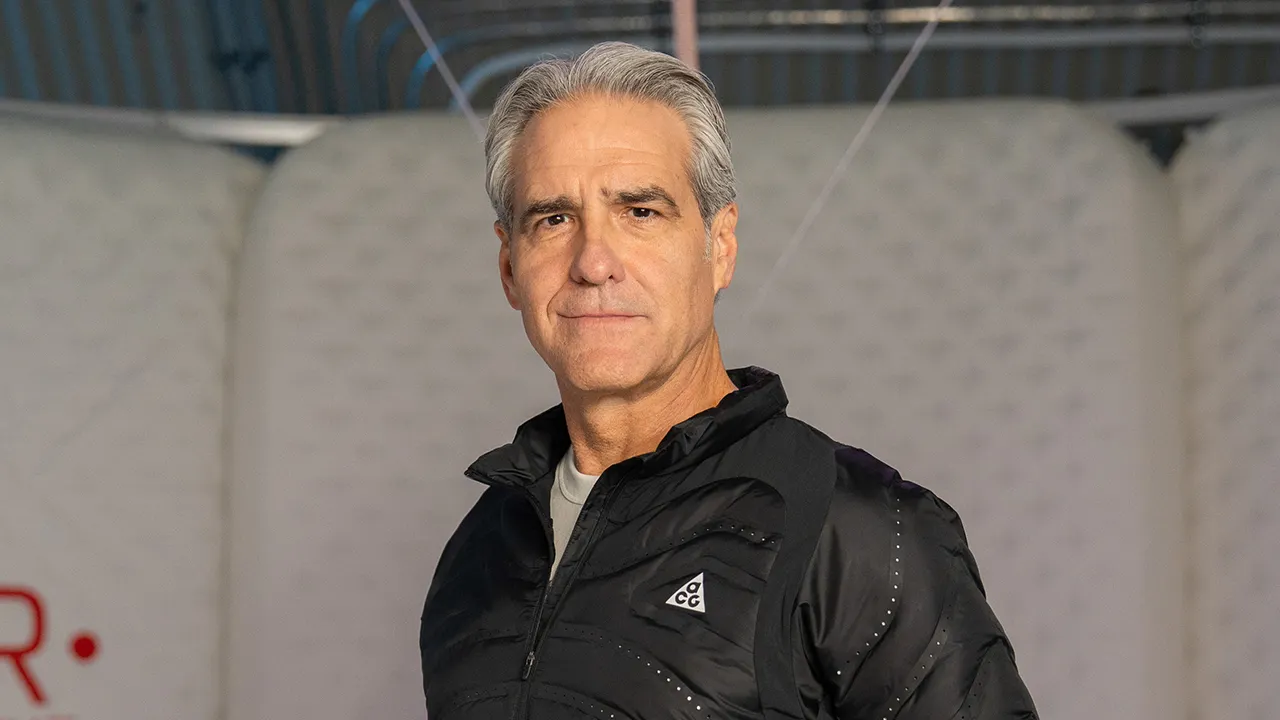
CEO Elliott Hill, who assumed leadership in October 2024 with a mandate to reshape Nike’s strategy, did not mince words during a Tuesday all-hands meeting with employees, as first reported by Bloomberg. His remarks highlighted a palpable internal frustration and a clear strategic pivot. “For me, my leadership team, from each and every one of us in this room, we have got to respond. I’m so tired, and I know you are too, of talking about fixing this business,” Hill reportedly told employees. “I want to move from fixing, and I know you do too. I want to move to building. I want to move to inspiring and driving growth and having fun.”
This direct and almost exasperated tone from the CEO is a critical signal to the market. It suggests that previous efforts to “fix” underlying issues have been insufficient, and a more fundamental “building” phase is required. For investors, this translates into a recognition that the problems are systemic, requiring deep operational and strategic overhauls rather than superficial adjustments. The call to “inspire and drive growth” also hints at a renewed focus on product innovation and brand engagement, areas where Nike has faced increasing competition and scrutiny.
Further reinforcing the challenging environment, Chief Financial Officer Matthew Friend echoed a cautious stance, urging employees to limit spending. “We’re going to be managing costs carefully as we have been doing,” Friend said, adding, “I realize that that creates a tension inside, but I just need you to know that the reason why that tension is there is because our business is not moving in the right direction.” This directive for stringent cost management, while prudent in a downturn, carries implications for future growth initiatives. In a company traditionally known for aggressive marketing and R&D investment, a tightening of the purse strings could impact product development cycles, marketing campaigns, and ultimately, its ability to differentiate itself in a crowded market. The acknowledgement of “tension inside” also points to the difficulty of balancing cost control with the need for innovation and employee morale.
Hill also emphasized the need for greater transparency with investors, stating, “You can’t just sit there and say everything’s great… Frankly, it needed to be different.” This signals a departure from what may have been perceived as an overly optimistic narrative in the past, acknowledging that a more realistic assessment of performance and challenges is crucial for rebuilding trust with the market. For a company of Nike’s stature, investor confidence is paramount, and a lack of transparency can quickly erode it.
While Nike has made strategic moves like signing basketball star Caitlin Clark as its newest signature athlete and a surprising collaboration with Costco (which sent the sneaker resale market into a frenzy), these positive brand moments appear to be overshadowed by the broader operational and financial struggles. The company’s prior announcement of cutting hundreds of jobs amid an automation push also indicates a focus on efficiency, but it hasn’t translated into improved top-line or bottom-line performance in the short term.
The broader market context reveals a challenging landscape for discretionary consumer goods. Global inflation, elevated interest rates, and geopolitical uncertainties continue to put pressure on consumer spending power. While the athletic wear market remains robust, competition has intensified significantly, with brands like Lululemon expanding their footprint and a resurgence of retro brands gaining traction. Nike’s reliance on its direct-to-consumer (DTC) strategy, while initially successful, may also be facing headwinds from rising logistics costs and the complexity of managing a global retail network. The brand’s ability to innovate meaningfully in footwear technology, fashion trends, and sustainable practices will be critical in distinguishing itself and re-capturing market share.
A Nike spokesperson confirmed the internal discussions, stating the company regularly holds post-earnings meetings to align employees with external messaging. “It was a direct conversation about where we are seeing real progress, where we need to move faster, and what it will take to win. The discussion reflected the same reality we shared externally: urgency, transparency, focus and a determination to restore growth.” This reiterates the severity of the internal assessment and the commitment to address the issues head-on.
**Market Impact**
The recent earnings report and subsequent market reaction serve as a stern recalibration for Nike’s valuation. Investors will now be scrutinizing not just the quarterly numbers, but the tangible execution of CEO Hill’s “building” strategy and CFO Friend’s cost-containment measures. The significant stock decline reflects a substantial loss of investor confidence, prompting a re-evaluation of Nike’s growth premium in a competitive and macroeconomically challenged environment. The broader athletic apparel market may also feel the ripple effect, with investors re-evaluating growth prospects for the entire sector amid shifting consumer preferences and a challenging macroeconomic backdrop. Nike’s ability to innovate, regain market share, and articulate a clear path to sustainable growth will be paramount in restoring shareholder confidence and justifying its premium brand status in the quarters to come.