
Check out what’s clicking on FoxBusiness.com.
Key Takeaways:
- **Supply Chain Vulnerability Exposed:** The recall of imported Italian guanciale underscores the inherent risks in global food supply chains, particularly concerning perishable or ready-to-eat specialty products, impacting importer responsibility and consumer trust.
- **Significant Financial and Reputational Blow:** For Prime Line Distributors and Ferrarini USA, this Class I recall represents a substantial operational disruption, leading to direct costs (logistics, disposal, potential legal fees) and severe damage to brand equity and market standing.
- **Heightened Regulatory Scrutiny and Industry Impact:** The USDA’s most serious recall classification signals increased regulatory vigilance, potentially prompting stricter import protocols and higher compliance costs across the broader food industry, particularly for specialty imported goods.
**A significant market event has unfolded in the specialized food sector, as more than 1,500 pounds of imported ready-to-eat pork products, specifically Italian guanciale, have been recalled amidst serious concerns over possibleListeria monocytogenes (Lm)contamination.** This incident, classified as a Class I recall by the U.S. Department of Agriculture’s Food Safety and Inspection Service (FSIS), represents the gravest level of food safety alert, indicating a reasonable probability that consumption could lead to severe adverse health consequences or even death. For companies operating in the delicate ecosystem of global food trade, especially those dealing in premium imported goods, this development spotlights critical vulnerabilities in supply chain integrity and quality control.
The recall directly impacts Florida-based Prime Line Distributors, Inc. and New Jersey-based Ferrarini USA, Inc., both of whom are now grappling with the operational and reputational fallout. Each company has recalled two distinct guanciale products, totaling approximately 1,513 pounds, over fears they “may be adulterated with Listeria monocytogenes (Lm),” as stated in the FSIS announcement on Sunday. This incident serves as a stark reminder to investors and stakeholders in the food distribution and retail sectors about the ever-present risks associated with global sourcing and the imperative for robust risk management strategies.
The affected products, all dry-cured pork jowl, share a best-if-used-by date of May 16, 2027, and a lot number of 263311US. Crucially, they also bear the establishment number IT 1937 L CE, printed either within the Italian mark of inspection or on the case label, tying them back to Est. 1937L Bome SRL in Italy. These items were produced on May 21 and subsequently imported into the U.S. in July, highlighting the relatively short window between production, import, and the discovery of the contamination. Such rapid turnaround times in international food logistics can compound the challenge of early detection.
The distribution network for these products further amplifies the market impact. Prime Line Distributors’ recalled items were disseminated to food service and retail companies primarily in Florida, a major tourist and culinary hub. Ferrarini USA’s products, however, had a far broader reach, shipped to distributors and food service locations across California, Florida, Idaho, Illinois, Michigan, New Jersey, New York, and Texas. This extensive geographical spread means that the logistical nightmare of product retrieval is significant, involving numerous points of contact and potentially impacting a wide array of restaurants, delis, and specialty grocery stores, each facing their own operational disruptions and potential financial losses from unsaleable inventory.
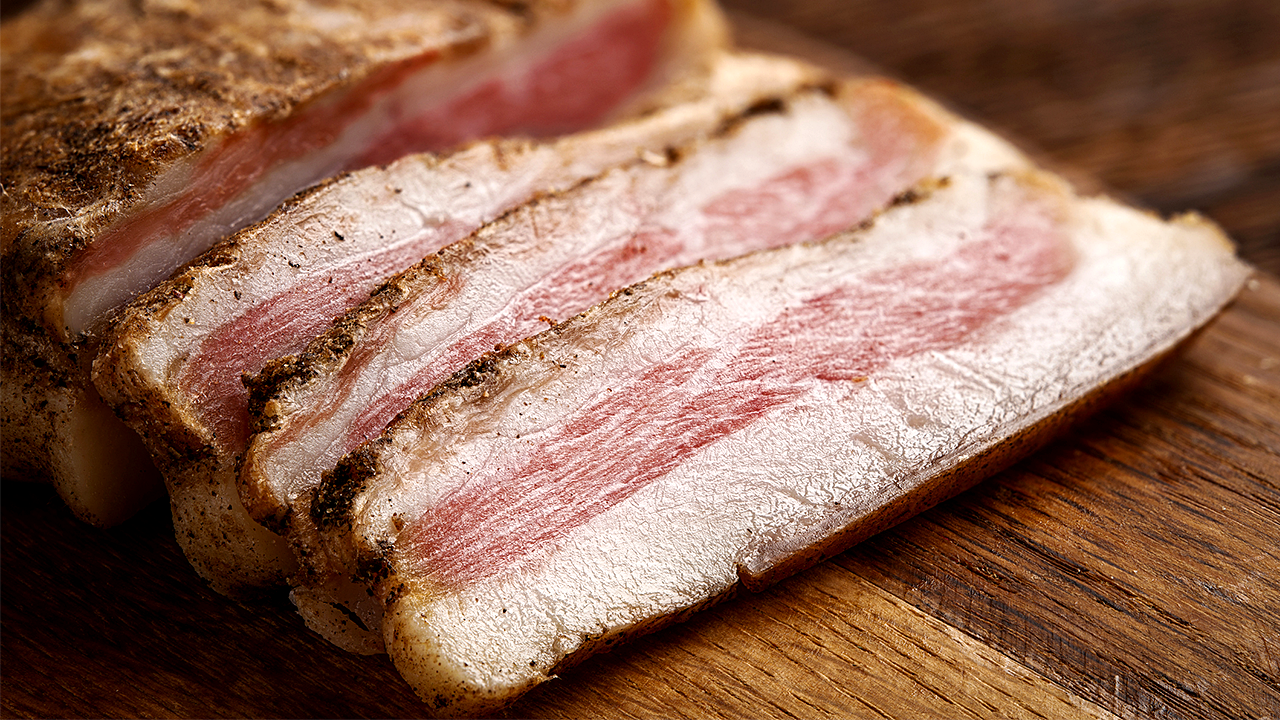
More than 1,500 pounds of imported ready-to-eat pork products have been recalled over concerns about possible listeria contamination.(U.S. Department of Agriculture’s Food Safety and Inspection Service)
The issue came to light during routine import reinspection testing, where a product sample confirmed positive forListeria monocytogenes (Lm). This underscores the critical role of regulatory agencies like FSIS at points of entry, acting as a final safeguard in an increasingly complex global food supply chain. While effective, the discovery post-import highlights the challenges in ensuring continuous quality control from farm to fork, particularly when dealing with international suppliers who operate under different regulatory frameworks.
From a public health perspective, consumption of food contaminated withLmcan cause listeriosis, a serious infection predominantly affecting vulnerable populations: older adults, individuals with compromised immune systems, and pregnant women and their newborns. Symptoms can range from flu-like indications such as fever, muscle aches, headache, and confusion, to more severe invasive infections that can cause miscarriages, stillbirths, premature delivery, or life-threatening conditions in newborns. For businesses, the potential for such severe health outcomes escalates the risk of costly litigation, further financial penalties, and irreversible brand damage, irrespective of whether confirmed illnesses have been reported yet. The economic burden extends beyond the recall costs to potential healthcare expenditures and lost productivity from affected individuals.
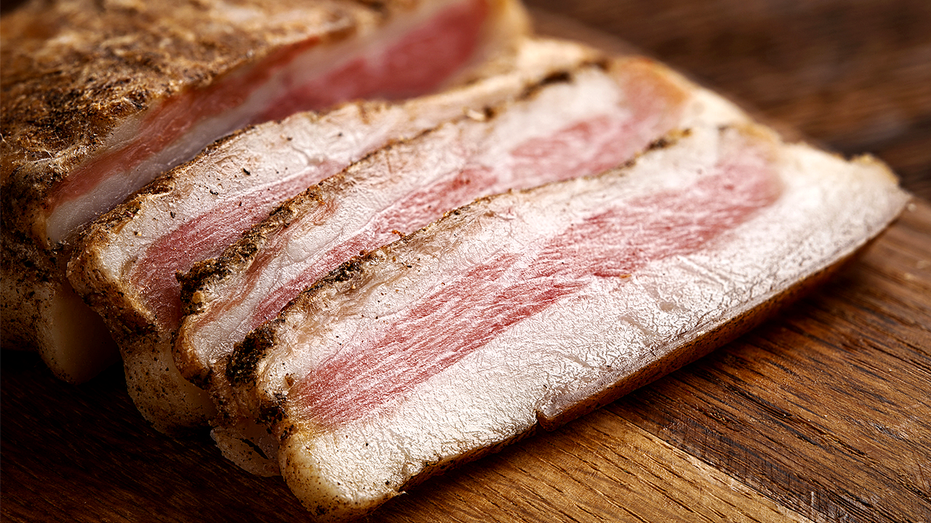
The issue was discovered during routine import reinspection testing, when a product sample confirmed positive for Listeria monocytogenes (Lm).(Getty Images / Getty Images)
FSIS has advised that individuals in higher-risk groups who experience flu-like symptoms within two months of consuming potentially contaminated items should seek immediate medical attention. The agency is particularly concerned that some of these products may still reside in food service and retail refrigerators and freezers, urging these establishments not to serve or sell the items. This necessitates a rapid and effective communication strategy from the recalling companies, adding to the financial strain through public relations and customer outreach efforts.
While there have been no confirmed reports of illness linked to these specific products to date, the shadow of potential future claims looms large. This proactive recall, while mitigating immediate health risks, places a significant financial and operational burden on Prime Line Distributors and Ferrarini USA. The directive for affected food items to be discarded or returned to the place of purchase signifies a complete loss of inventory value, coupled with the logistical costs of reverse supply chain management and disposal.
FSIS is concerned that some products may be in food service and retail refrigerators and freezers.(J. David Ake/Getty Images / Getty Images)
CLICK HERE TO GET FOX BUSINESS ON THE GO
Market Impact:
This Class I recall of imported guanciale is set to ripple through the specialty food market, creating immediate financial pressure on Prime Line Distributors and Ferrarini USA through direct recall costs, lost sales, and potentially significant legal liabilities. Beyond the immediate parties, the incident casts a spotlight on the broader vulnerabilities within the global supply chain for ready-to-eat imported delicacies, potentially leading to increased scrutiny and tighter import regulations from agencies like FSIS. This could translate into higher compliance costs, longer lead times, and increased operational complexities for all importers of similar products, potentially impacting profit margins across the sector. Consumer confidence in imported specialty meats may experience a temporary dip, possibly driving demand towards domestic alternatives or prompting a more cautious approach to premium product purchases. Furthermore, the incident could prompt a review of product liability insurance policies and premiums within the food industry, highlighting the financial fragility exposed by critical breaches in food safety.