
Key Takeaways
- Pro-Growth AI Stance from Political Figures:Former President Trump’s strong endorsement of AI development, likening it to the “oil of the next 20-25 years,” signals a potential future policy environment that could prioritize aggressive innovation over stringent regulation, bolstering investor confidence in AI-centric companies like Nvidia.
- Divergent Industry Leadership on Pace & Regulation:The public clash between rapid development advocates (Trump, Nvidia’s Jensen Huang) and safety-first proponents (Anthropic’s Dario Amodei, OpenAI’s Sam Altman, SpaceX’s Elon Musk) highlights significant regulatory uncertainty, creating a key risk factor for AI investments and potentially influencing R&D timelines and costs.
- AI as a Geopolitical Battleground:Trump’s framing of AI safety concerns as a potential ploy by political adversaries or China underscores the technology’s strategic national importance. This perspective suggests that future government policies could favor domestic AI development and investment to maintain global competitiveness, potentially channeling significant funds into the sector.
Vertiv CEO Giordano Albertazzi discusses the demand for artificial intelligence infrastructure and explains why warnings about AI development will not slow down the buildout on ‘The Claman Countdown.’
In an unexpected intervention that sent ripples across the technology and investment landscapes, former President Donald Trump delivered a surprise phone call to Nvidia CEO Jensen Huang during the All-In Summit in Los Angeles. The candid exchange saw Trump dismiss mounting fears that artificial intelligence (AI) poses an existential threat to humanity and vehemently argue against calls to decelerate frontier AI development, a stance that could significantly influence market sentiment and future regulatory frameworks.
As Huang, leading the company at the very vanguard of AI hardware, placed the call on speakerphone for an audience of thousands, Trump’s message was unequivocal. “I’m telling you, it’s all a hoax,” Trump declared, refuting the dire warnings emanating from some corners of Silicon Valley. He went on to extol the economic virtues of AI, asserting, “The data centers are great, and they make people wealthy, and they make states wealthy, and it’s the oil of the next 20–25 years.”
Such strong endorsement from a former president, especially one known for challenging established norms and influencing public discourse, can significantly shape political dialogue and, by extension, future regulatory approaches. For investors, Trump’s “oil of the next 20-25 years” analogy resonates deeply with the pursuit of the next mega-trend, positioning AI as a cornerstone of future economic prosperity and national competitiveness. This rhetoric suggests a potentially less restrictive environment for the very infrastructure that underpins companies like Nvidia’s growth trajectory.
Trump further contextualized his position with a geopolitical lens, suggesting critics are “playing right into the hands of a lot of people that don’t want to see it happen. That could be political people. It could also be China. And we’re not going to let that happen.” This framing aligns AI development squarely within the realm of strategic national security and economic competition, implying that any slowdown could be perceived as ceding ground to rival nations. His dismissal of the “robots taking over the world” narrative, reiterated in subsequent Truth Social posts, underscored a consistent pro-development stance, particularly critical in an election year where tech policy is gaining prominence.
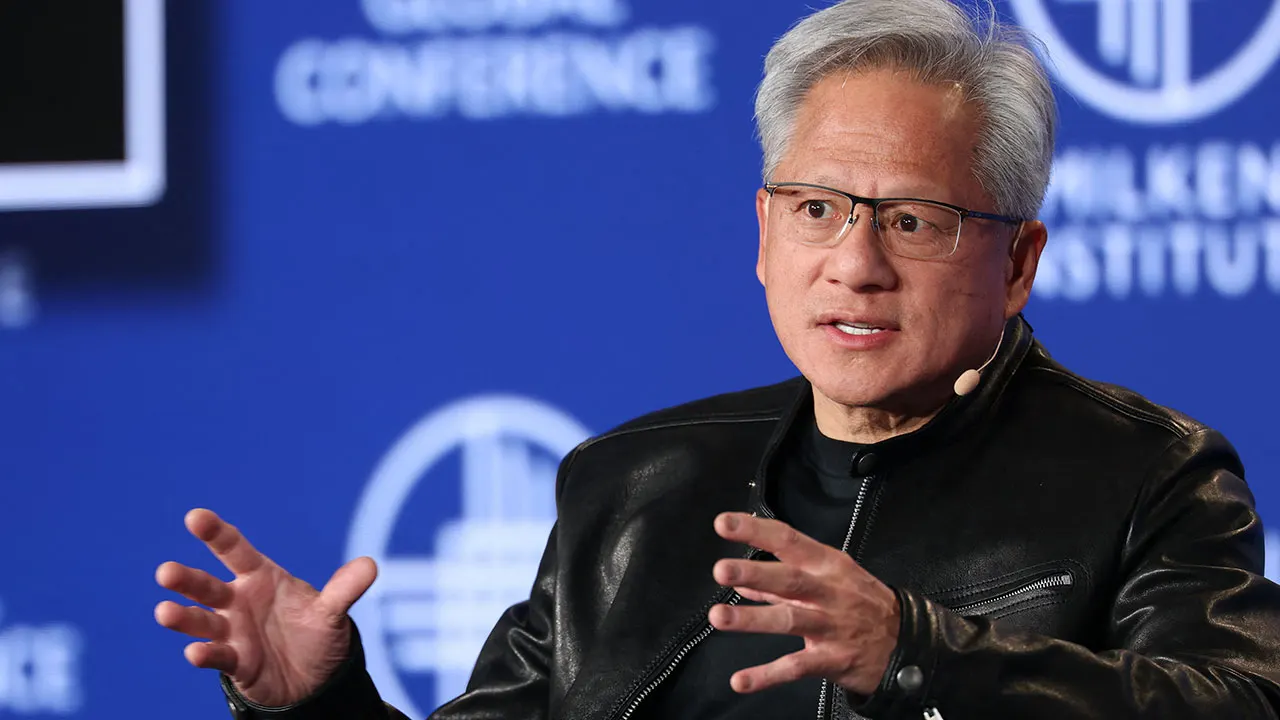
Nvidia CEO Jensen Huang received a surprise phone call from President Donald Trump on Monday while speaking on stage at the All-In Summit in Los Angeles.(Patrick T. Fallon / AFP via Getty Images)
Nvidia, the undisputed titan of AI accelerators, sits at the epicenter of this debate. Their GPUs are the essential computational engines powering the massive data centers Trump lauded, making Huang’s platform a highly symbolic stage for such a pronouncement. For investors in NVDA, Trump’s comments could be interpreted as a bullish signal, suggesting a potentially less restrictive environment for the very infrastructure that underpins their growth trajectory. Any policy that removes perceived regulatory hurdles or fears of a development slowdown would generally be viewed positively by the market, potentially bolstering valuations in the semiconductor and AI infrastructure sectors.
Conversely, the measured caution advocated by industry luminaries presents a critical counterpoint that introduces a layer of regulatory risk. The president’s remarks directly contradict a growing chorus of AI leaders who have voiced serious concerns about the pace and safety of frontier AI development. Over the weekend, Anthropic CEO Dario Amodei published a significant essay urging the industry to “slow the pace,” citing risks such as losing control of AI systems, misuse for cyberattacks or bioterrorism, and significant economic disruption. Amodei’s call for strengthening safeguards as the technology advances introduces a vital ethical and practical consideration for an industry accustomed to rapid iteration.
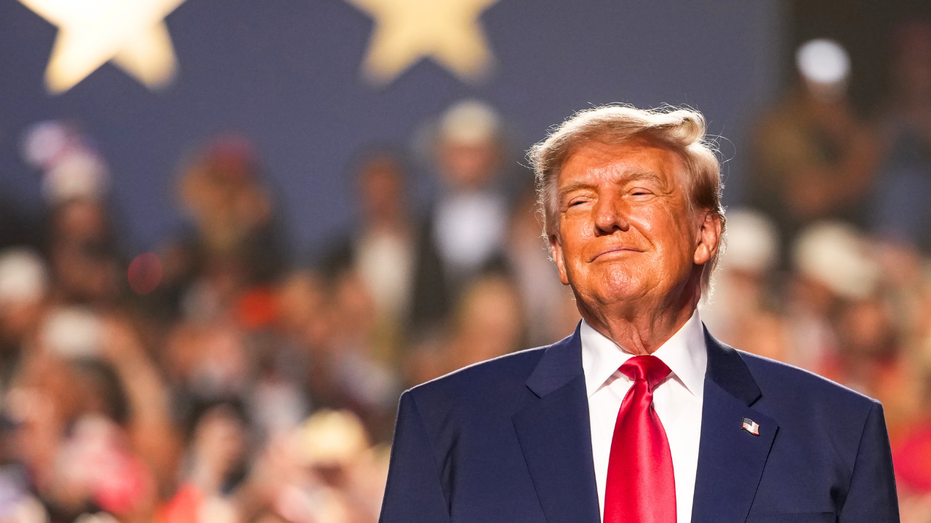
Trump also rejected the idea that AI could pose an existential threat to humanity.(Andrew Harnik/Getty Images)
This sentiment quickly garnered support from other influential figures. OpenAI CEO Sam Altman, a key player in the generative AI revolution, echoed Amodei’s concerns, stating, “I agree with Dario that we need to pace the frontier. This has been a primary topic of discussions we’ve had at OpenAI in recent weeks.” Similarly, SpaceX and Tesla CEO Elon Musk simply endorsed, “Dario is right,” on X. These calls for “pacing the frontier” and strengthening safeguards, while ethically sound, could imply increased compliance costs, potential R&D slowdowns, or even moratoriums on certain advanced models. Such measures, if implemented, could temper investor enthusiasm, introduce volatility into AI-related stocks, and potentially shift capital allocation away from more speculative AI ventures towards those with clearer regulatory pathways.
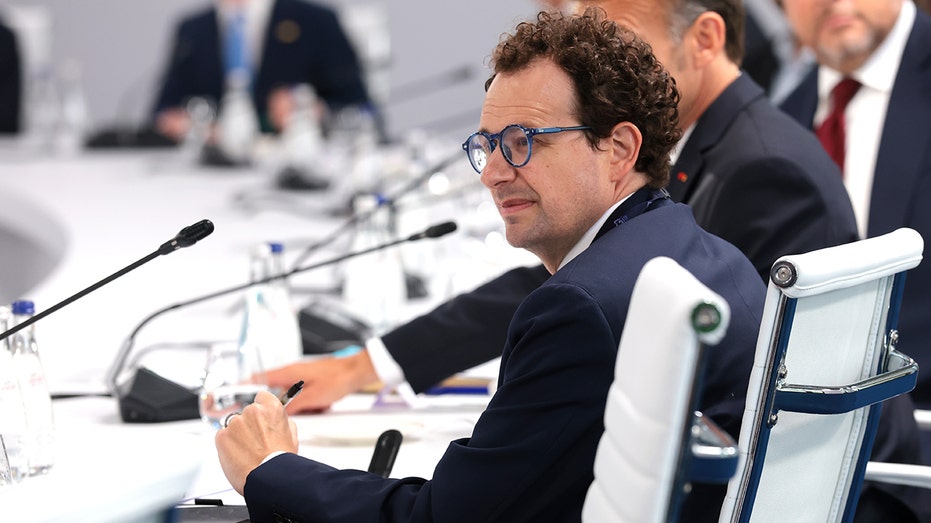
Anthropic CEO Dario Amodei published an essay over the weekend urging the industry to “slow the pace” of frontier AI development.(Anna Moneymaker/Getty Images)
The intensifying debate surrounding AI’s trajectory, amplified by high-profile endorsements and warnings, creates a complex landscape for investors. On one hand, Trump’s rhetoric fuels the narrative of AI as an unstoppable economic engine, driving productivity and wealth. This view could embolden investment in core AI technologies, data centers, and specialized chip manufacturers. On the other hand, the legitimate safety concerns raised by leading AI developers highlight the potential for future regulatory oversight or even public backlash, which could introduce significant operational and financial headwinds for companies operating in this space.
Market Impact
The current market dynamics for AI are heavily influenced by a delicate balance between unparalleled growth potential and burgeoning regulatory uncertainty. A potential shift towards a less regulated, pro-growth environment under a future Trump administration could significantly fuel bullish sentiment across the technology sector, particularly for semiconductor giants like Nvidia, cloud infrastructure providers, and AI software developers. This could lead to sustained capital inflows and premium valuations for companies at the forefront of AI innovation. However, the persistent calls for caution and increased safeguards from leading AI developers themselves introduce an inherent regulatory overhang. This could lead to periods of market apprehension, particularly if concrete policy proposals for slowing development or imposing strict safeguards gain traction in Washington or through international bodies. Companies perceived as having robust ethical frameworks and strong governance around AI safety, alongside their technological prowess, may find themselves better positioned to weather potential regulatory storms. Ultimately, the market will continuously weigh the immense transformative power and growth opportunities of AI against the evolving ethical, safety, and geopolitical frameworks. Those businesses that can effectively navigate this dual challenge—innovating rapidly while demonstrating responsible development—are most likely to secure long-term investor confidence and achieve sustainable market leadership.